The Duolingo bird is an owl. Specifically, the mascot is a cartoon great horned owl-inspired character named Duo, and Duolingo officially calls him "Duo the owl." If you have ever wondered whether there is a real species behind the design, the short answer is yes: the character draws broadly from owl anatomy, and in 2019 a real spectacled owl at the National Aviary in Pittsburgh was officially named "Duo" in a partnership with Duolingo, giving the brand a living, breathing counterpart.
What Bird Is Duolingo Called? Name, Pronunciation

James Ridgley
13 Apr 2026
The Duolingo bird, identified
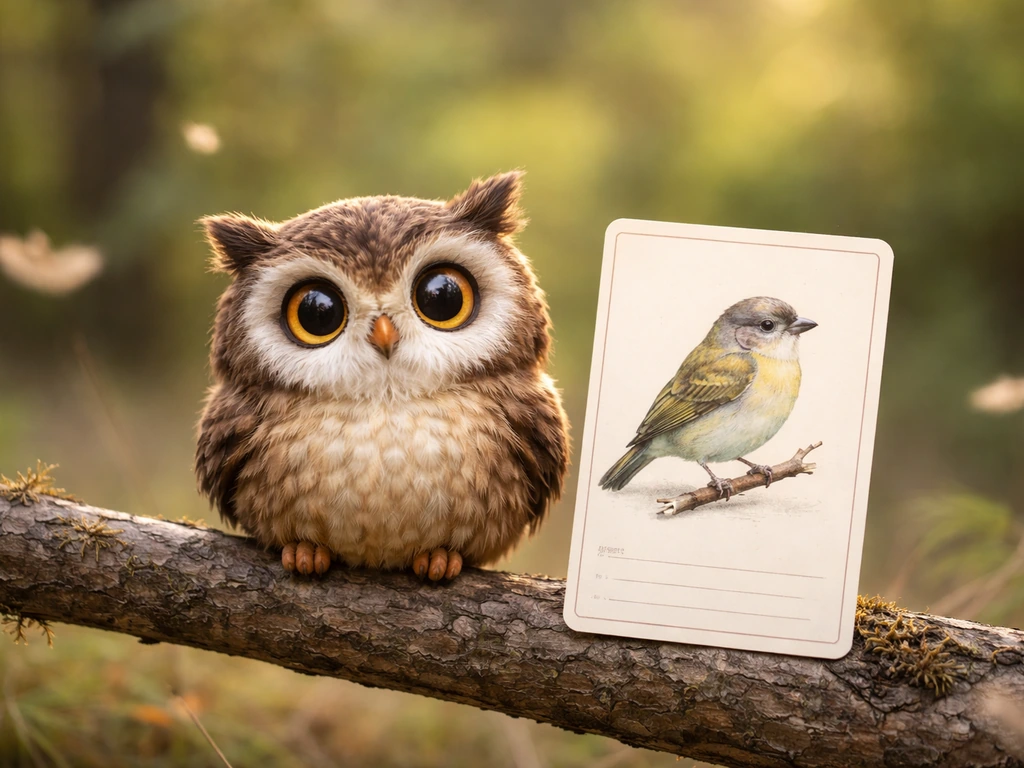
Duo is Duolingo's brand mascot and, according to Duolingo's own brand-building materials, "the most important visual aspect" of the company's identity. The character is drawn as a bright green owl with large expressive eyes, a rounded head, and small rounded wings, all classic owl silhouette features. Duolingo refers to him plainly as "Duo the owl," so there is no ambiguity from the company's side: the bird is an owl, full stop.
The real-world connection came in October 2019, when the National Aviary in Pittsburgh introduced a new spectacled owl named "Duo" in an official partnership with Duolingo. Both CBS Pittsburgh and the ABC affiliate WTAE reported on the event, identifying the bird as a spectacled owl and confirming the Duolingo tie-in. So while Duo the cartoon character is not modeled precisely on a spectacled owl, that species is the one with the strongest documented real-world link to the Duolingo name.
The actual species name in English
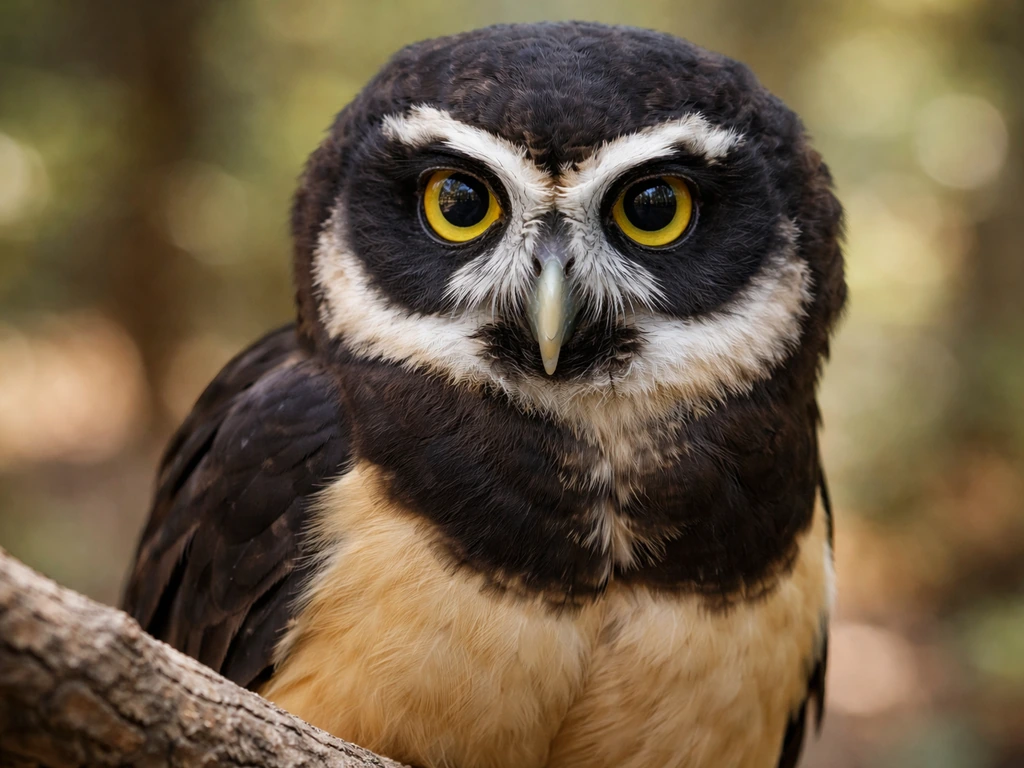
The spectacled owl's English common name is exactly that: spectacled owl. The "spectacled" part refers to the bold white and brown feather patterning around the bird's eyes, which looks like a pair of eyeglass frames or spectacles. The scientific (Latin) name is Pulsatrix perspicillata. Pulsatrix is the genus, and perspicillata comes from the Latin word for "seen through glasses" or "furnished with spectacles," which lines up perfectly with the common name.
For everyday purposes, "spectacled owl" is the name you want. Field guides, zoo exhibits, and ornithology databases all use it consistently. You will occasionally see it written without capitalisation (spectacled owl) in general prose, and with capitalisation (Spectacled Owl) in formal ornithological lists, but both refer to the same bird.
Why people ask what the Duolingo bird is "called" or what "type" it is
The confusion between a character name, a species name, and a common name is genuinely reasonable here. When someone searches "what is the Duolingo bird called," they might be asking any of three different questions: What is the mascot's character name? (Duo.) What type of bird is it? (An owl.) What species, exactly? (Spectacled owl, or more loosely, a cartoon owl with no single precise species model.) These are all valid questions, and search engines tend to blend them together, which is why the results can feel muddy.
This character-vs-species mix-up is common with famous animal mascots. "Duo the owl" functions as a character name, the way you might say "Hedwig the owl" from Harry Potter, while spectacled owl is the species name used in ornithology. Understanding which layer you are asking about makes it easier to look up the right information. what gender is the Duolingo bird is a good example of another question that sits in this same character-naming space, where the answer depends on whether you are talking about the cartoon persona or the biological animal.
How to spell and say the bird's name
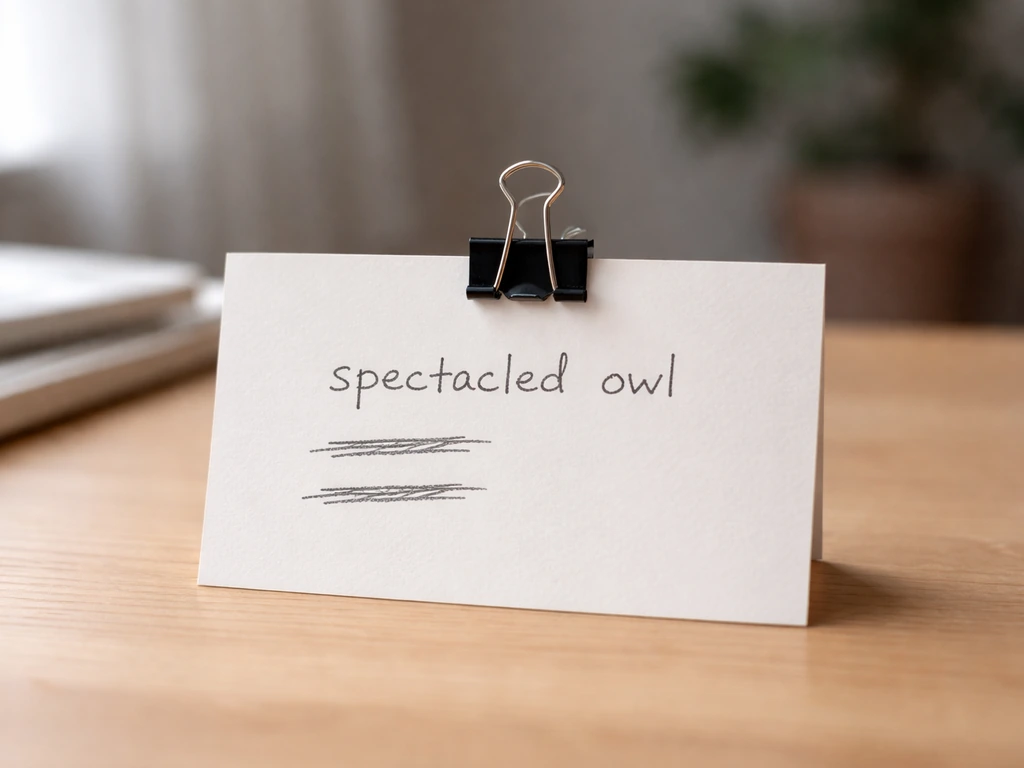
Spelling
The correct English spelling is spectacled owl, two words, with no hyphen. "Spectacled" is sometimes misspelled as "spectacle owl" (dropping the -d) or "spectacular owl" (a common auto-correct swap). Neither is correct. The key is remembering that it is the adjective form: spectacled, meaning "wearing spectacles," not the noun "spectacle."
The scientific name Pulsatrix perspicillata is italicised in formal writing, with the genus capitalised and the species epithet in lower case: Pulsatrix perspicillata. Once you have mentioned the full name, you can shorten it to P. perspicillata.
Pronunciation
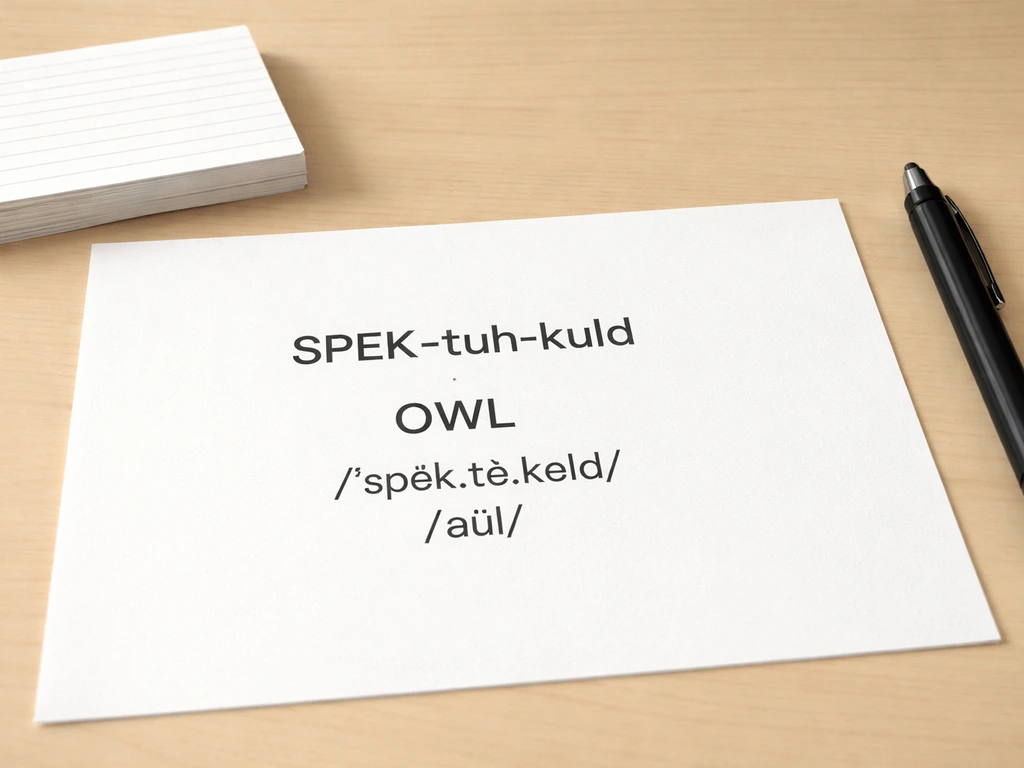
Spectacled owl is straightforward to say once you break it into beats. "Spectacled" is three syllables: SPEK-tuh-kuld. "Owl" is one syllable: OWL (rhymes with "towel" or "growl"). Put together: SPEK-tuh-kuld OWL. IPA: /ˈspɛktəkəld aʊl/.
The scientific name Pulsatrix perspicillata is a little more involved. Pulsatrix: pul-SAY-triks (/pʌlˈseɪtrɪks/). Perspicillata: per-spih-sih-LAH-tah (/pɜːrspɪsɪˈlɑːtə/). You will rarely need the Latin name in casual conversation, but it is useful if you are searching a scientific database or talking to a zoologist.
Where the name comes from
The word "spectacled" entered English as a descriptor for animals with eye-ring markings around the 18th and 19th centuries, during the period of colonial-era natural history cataloguing. Several species carry it, including the spectacled bear and spectacled caiman, all named for the same eyeglass-like patterning. For the spectacled owl specifically, the Latin perspicillata (from perspicillum, a spyglass or eyeglass in classical Latin) was assigned by the naturalist Johann Baptist von Spix in the early 19th century.
Duo, the character name, simply comes from the Latin duo meaning "two," which is also the basis for the word "Duolingo" itself (duo + lingo, meaning something like "two languages" or "language pair"). Naming the National Aviary's spectacled owl "Duo" in 2019 was therefore a deliberate branding nod: the name connects the real bird to the mascot, to the app's name, and to the Latin root all in one tidy loop.
Everyday use vs ornithology: how to refer to it correctly
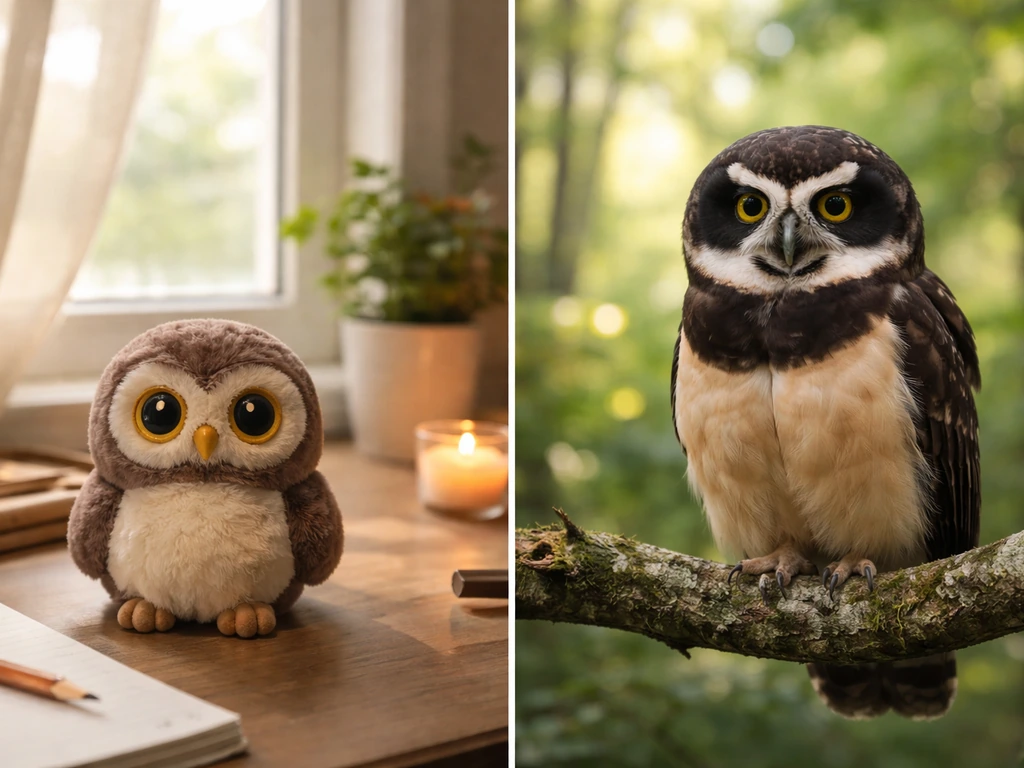
In everyday conversation, "the Duolingo bird" or "Duo the owl" is perfectly understood and there is nothing wrong with using it. If you want to name the species, say "spectacled owl." If you are filling in a crossword clue, writing a school report, or answering a trivia question, "owl" covers the mascot and "spectacled owl" covers the real species at the aviary.
In an ornithology or birding context, you should use "spectacled owl" (common name) or Pulsatrix perspicillata (scientific name). Do not use "Duolingo bird" in a field guide context, because it is a brand reference rather than a recognised naming convention. The same principle applies when you are looking up the bird in another language: search for the species name, not the mascot name, and you will get accurate results.
Speaking of other languages, bird noun gender varies significantly across European languages and can trip people up when translating species names. If you are looking up the spectacled owl in Spanish or French, it is worth knowing that bird is masculine or feminine in Spanish (it is masculine: "el pájaro" or "el búho" for owl), and the rules differ in French. For French specifically, bird is feminine in French in some forms but context matters depending on the specific word used. These grammatical details matter if you are translating a field guide entry or writing about the species in a language class.
More broadly, if you are ever uncertain about whether a bird noun is masculine or feminine in a given language, looking up the species name in a bilingual dictionary rather than a brand name will always give you a more reliable result.
Quick reference: Duo the Duolingo bird at a glance
| Detail | Answer |
|---|---|
| Character name | Duo |
| Bird type (general) | Owl |
| Real-world species | Spectacled owl |
| Scientific name | Pulsatrix perspicillata |
| Common name spelling | spectacled owl (two words, no hyphen) |
| Pronunciation | SPEK-tuh-kuld OWL |
| Name origin | Latin perspicillata (eyeglasses); character name from Latin duo (two) |
| Formal ornithology name | Pulsatrix perspicillata (italicised, genus capitalised) |
What to do if you need to verify or look it up
- Search "spectacled owl" in Cornell Lab of Ornithology's All About Birds database for the definitive English common name, range maps, and audio clips.
- Search Pulsatrix perspicillata in any scientific database (ITIS, Avibase, or iNaturalist) for the confirmed taxonomic classification.
- If you need the name in another language, look up the species name in a bilingual birding app or Avibase's multilingual species accounts rather than searching "Duolingo bird" in translation.
- To avoid the spectacled/spectacular confusion in writing, remember the mnemonic: the bird wears spectacles, so it is spectacled (with a -d).
- If a trivia question or crossword asks for "the Duolingo bird," the safe answer at the species level is spectacled owl; at the character level, it is Duo the owl.
FAQ
Is the Duolingo bird a real spectacled owl or just a cartoon owl?
No. “Duo the owl” is the mascot character name, while “spectacled owl” refers to the species. If you are looking at a real bird in a database or field guide, use “spectacled owl” instead of the brand term.
Why do different sites name the Duolingo bird differently?
Most of the time you should expect different answers depending on your source: Duolingo branding articles usually focus on Duo the owl (the character), while ornithology references use spectacled owl (the species). When you see “Pulsatrix perspicillata,” you are definitely in the species layer.
Should I capitalize spectacled owl in a sentence?
“Spectacled owl” is the standard English common name for the species. You might also see it written with different capitalization in list-style text, but it still points to the same bird.
What is the best wording if I have to explain it clearly in an assignment?
It is safest to say “an owl (spectacled owl)” in everyday writing. For example, in a school assignment, “The Duolingo mascot is an owl, specifically the spectacled owl species used in the brand partnership,” avoids the character-species mix-up.
Which term should I use when searching on birding sites or databases?
Use “spectacled owl” if your goal is accurate animal identification, and reserve “Duo” or “Duolingo bird” for branding discussions. For example, “Where can I see the spectacled owl?” makes more sense than “Where can I see Duo?” in a birding context.
Is Duo the owl drawn to match the exact appearance of the spectacled owl?
No, the mascot design is owl-inspired but it is not typically treated as a one-to-one illustration of the spectacled owl’s exact patterning. The documented real-world connection supports the species naming link, even if the cartoon stylizes features.
What should I answer in trivia, mascot name or species name?
If an article or trivia question asks for the “species behind the Duolingo owl,” the expected answer is “spectacled owl.” If it asks for the “name of the mascot,” the expected answer is “Duo.” Distinguishing the layer usually resolves the confusion quickly.
How should I translate the Duolingo bird name in another language?
If you are translating, prioritize the species name in the target language (for example, the phrase equivalent to “spectacled owl” or the scientific name), because brand mascots may not be used as standardized animal terms across languages.
How should I format Pulsatrix perspicillata in my writing?
In formal lists, scientific names follow standard formatting: genus capitalized, species epithet lower case, and italics in typeset text. If you cannot italicize, you can still keep the capitalization pattern (Pulsatrix perspicillata) for correctness.
What are common misspellings of spectacled owl and how can I avoid them?
A common typo is switching to “spectacle owl” or “spectacular owl.” The correct form is “spectacled,” meaning the bird has eye-ring markings that look like spectacles.
Next Article
How to Pronounce Mynah Bird (MY-nah vs my-NAY)
Learn how to pronounce mynah birds word mynah or myna, with syllables, stress, and quick self-check tips.