Junco is pronounced JUN-koh, with the stress firmly on the first syllable. In IPA that's /ˈdʒʌŋkoʊ/ (American English) or /ˈdʒʌŋkəʊ/ (British English). Both Merriam-Webster and Dictionary.com agree on this: two syllables, first syllable stressed, the "o" at the end is a clean long "oh" sound in American speech. If you can say "junk" and then add "oh," you've essentially got it.
How to Pronounce Junco Bird: Clear Sounds and Practice

James Ridgley
13 Apr 2026
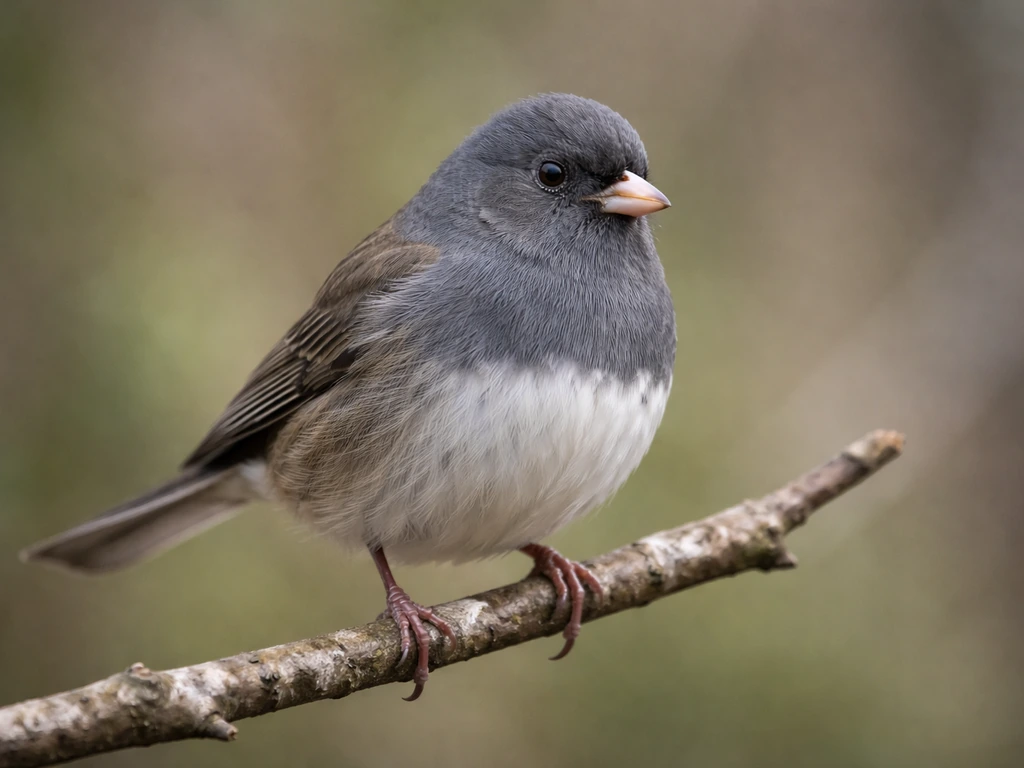
The correct pronunciation of "junco" in English

The word breaks down simply: JUN (rhymes with "bun" or "sun") + koh (rhymes with "go" or "show"). Merriam-Webster transcribes it as ˈjəŋ-kō, and Dictionary. Merriam-Webster's guide to pronunciation explains how its IPA-style symbols and stress markings should be read, which you can use when discussing these transcriptions Merriam-Webster transcribes it as ˈjəŋ-kō. com gives the American respelling as [juhng-koh]. Both are pointing at the exact same sound. The first syllable carries a slight nasal quality because of the "ng" blend before the hard "k" (think of how "junk" sounds just before the final consonant). That's all there is to it.
A historical spelling found in early reference works wrote it as "Jun′co," with the stress mark placed right on that first syllable, which confirms this two-syllable, first-syllable-stressed pattern goes back well over a century. Nothing tricky or unusual is happening here, which is reassuring when you first encounter the word on a trail or in a crossword grid.
Saying the full species names birders actually use
Most birders don't just say "junco" on its own. They say the full common name of the species they're looking at, and the most frequently used ones follow a simple pattern: a descriptor plus "Junco." The good news is that "Junco" is always pronounced exactly the same way regardless of which species name it's attached to. Merriam-Webster's entry for "slate-colored junco" treats the word as a noun phrase and confirms the "junco" portion carries the same pronunciation as the base word throughout.
| Common Name | Phonetic Pronunciation | Scientific Name |
|---|---|---|
| Dark-eyed Junco | DARK-eyed JUN-koh | Junco hyemalis |
| Slate-colored Junco | SLAYT-kul-erd JUN-koh | Junco hyemalis hyemalis |
| White-winged Junco | WYT-wingd JUN-koh | Junco hyemalis aikeni |
| Oregon Junco | OR-uh-gun JUN-koh | Junco hyemalis oreganus |
| Yellow-eyed Junco | YEL-oh-eyed JUN-koh | Junco phaeonotus |
The Dark-eyed Junco is by far the name you'll hear most often in North American birding, so if you nail that one, you're set for most conversations. "Dark-eyed" is exactly as it looks: DARK-eyed, two words said naturally before the JUN-koh. Cornell Lab's All About Birds has a dedicated how to pronounce anhinga bird-style audio resource for many species, and their Dark-eyed Junco sounds page is one of the best places to hear the name used naturally in context by ornithologists and field birders.
Common mispronunciations and quick fixes

Three mistakes come up again and again, and they're all easy to fix once you know what's going wrong.
- "HOO-nco" or "HOON-koh": This comes from applying Spanish pronunciation rules to an English word. In Spanish, the letter J makes an "h" sound, so someone familiar with Spanish might instinctively say it that way. But in English, junco starts with the same "j" sound as "jump" or "jungle." Say JUN-koh, not HOON-koh.
- "JUNK-oh" (with a hard final k sound): Some people over-pronounce the "k" and clip the final vowel, making it sound abrupt. The ending should be an open, relaxed "oh" (like the word "go"), not a short grunt.
- "JOO-nco" or "JOON-koh": This stretches the vowel in the first syllable too long. The "u" in junco is a short vowel sound, like the "u" in "fun" or "sun," not the long "oo" in "moon." Keep it quick: JUN, not JOON.
- Stressing the second syllable (jun-KOH): English stress goes on the first syllable here. Saying jun-KOH sounds foreign to most native English ears. Lead with the stress: JUN-koh.
How American and British English speakers say it differently
The difference between American and British pronunciation of junco is subtle and mostly comes down to the final vowel. American English gives it a full, rounded "oh" sound: /ˈdʒʌŋkoʊ/, which is what Dictionary.com transcribes for American speakers. British English tends to use a slightly more centralized vowel at the end, transcribed as /ˈdʒʌŋkəʊ/, where the "o" starts with a brief neutral schwa before the "oo" glide. In casual speech the difference is barely noticeable, and no one at a birdwatching club is going to correct you for it.
Regional accents within the US can also shift the vowel slightly. In parts of the American South or Midwest, the "un" in the first syllable may sound a touch more like "uhn," but the stress pattern and overall shape of the word stay the same. If you've spent time learning how to pronounce towhee bird, you'll recognize the same approach: English bird names borrowed or adapted from other languages get anglicized stress and vowel patterns, and regional accents apply on top of that base.
Where the word "junco" comes from (and why it helps you remember)
Junco comes from Spanish junco, meaning "rush" or "reed," which itself comes from the Latin iuncus, also meaning "rush" (as in the tall wetland grass). The Dictionary.com etymology pins the origin at around 1700 to 1710, with the note that the bird was named for its habit of being found in rush beds. Merriam-Webster classifies it as New Latin from Spanish and records the first known use in English as 1887, which fits with when ornithologists were formalizing common English names for North American species.
Why does this matter for pronunciation? Because it explains the "jun" part. The Latin iuncus and Spanish junco both start with the same root, and when English speakers adopted the word, they applied standard English phonics to it, giving the "j" its English sound (as in "just") and keeping the short "u" vowel from the original. The word was never meant to be said with a Spanish accent in English birding contexts. So if you remember "junco = rush plant, said in English," the pronunciation JUN-koh follows naturally. It's a useful mnemonic: picture a little gray bird hopping around in a stand of reeds, and say it the English way.
This kind of etymology is the same thread you pull when working out names like how to pronounce kakapo bird, where knowing the source language (Maori, in that case) immediately clarifies which vowel sounds to use and where the stress should land.
Practice tips: how to hear it and lock it in
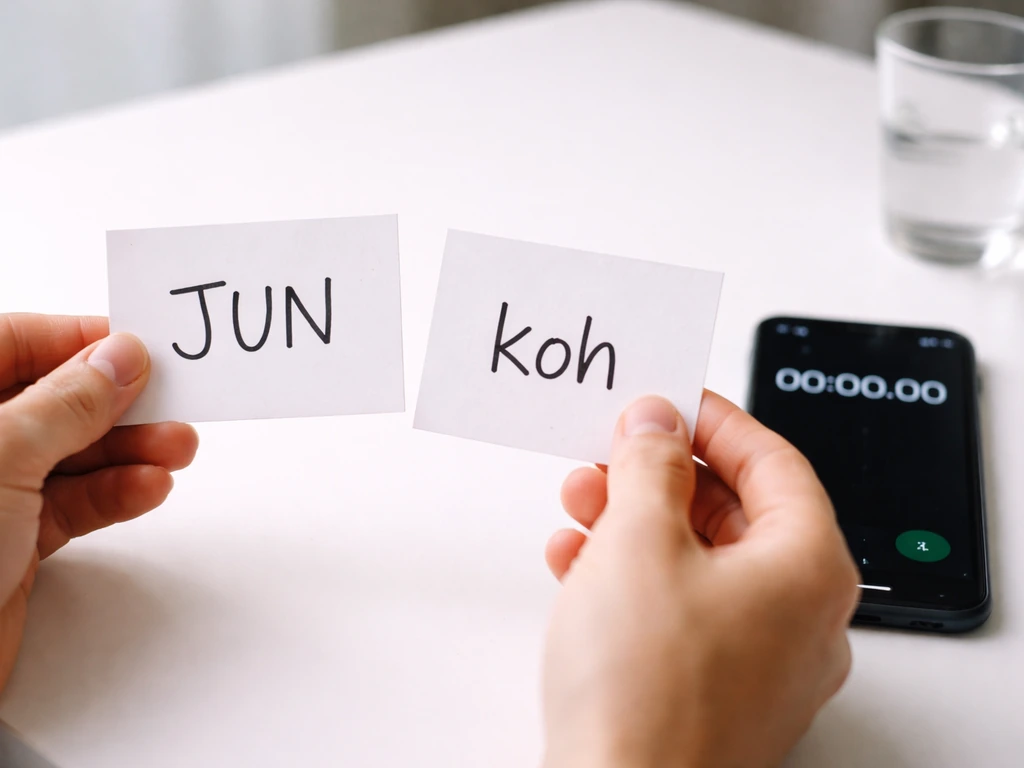
Reading about pronunciation only gets you so far. You can hear available audio pronunciations by clicking the speaker icon next to the word in its Dictionary.com entry. Here's a short routine that will have you saying "junco" confidently within a few minutes.
- Break it into two beats and say each one aloud: "JUN" (like the start of "jungle") then "koh" (like the word "co" in "cold"). Now put them together with a clear stress on the first: JUN-koh. Repeat five times without stopping.
- Listen to a field recording. The Macaulay Library at Cornell Lab has audio entries specifically for the Dark-eyed Junco (Slate-colored) and the Dark-eyed Junco (White-winged). These recordings are made by birders and ornithologists who say the species names aloud in associated media and metadata. Hearing the name used naturally, even in brief audio contexts, reinforces the rhythm better than any written guide.
- Say the full species name out loud: "Dark-eyed Junco." Then try "Slate-colored Junco." Say each one three times at normal conversational speed. You're training your mouth to flow through the name without overthinking it.
- Use it in a sentence, out loud: "I just saw a Dark-eyed Junco at the feeder." That sentence structure is exactly what you'd say to another birder, and practicing it in full context is more effective than drilling the isolated word.
- If you still feel unsure, look up the Merriam-Webster audio for "junco" directly in their online dictionary. Click the speaker icon next to the IPA and listen to their recorded pronunciation. Then repeat it back immediately, matching the stress and vowel length as closely as you can.
One final thought: pronunciation questions about bird names come up more often than people expect, whether you're exploring what towa bird pronouns are for a puzzle, debating names at a birdwatching club, or just trying not to feel embarrassed when you spot one at the feeder and want to tell someone. JUN-koh is the answer. Two syllables, stress on the first, short "u," clean "oh" at the end. You've got it.
FAQ
Do I pronounce Junco differently if I say the species name first, like “Dark-eyed Junco” or “White-winged Junco” ?
No, Junco stays JUN-koh in all those common birding phrases. The only change is how you naturally stress the descriptor before it, for example DARK-eyed JUN-koh, with Junco keeping the same two-syllable form and first-syllable stress.
How do I say “junco” in a hurry without dropping the second syllable?
Focus on a clean “koh” ending, not just “jun.” A quick test is to say “junk” and then force the “oh” as a full second beat (JUN-koh), especially if your speech usually elides final vowels.
Is the first syllable more like “jun” (as in “just”) or “juhn” (as in “gun”)?
The baseline is JUN with a short “u” (rhymes with “bun” or “sun”). Some regional accents may lean slightly toward “juhn,” but you should still keep the stress on that first syllable and preserve the nasal-to-k sound in the middle.
Does the “ng” sound in the first syllable change in fast speech?
It should still be there, just faster. Aim for something that matches “junk” timing before the hard “k,” meaning your mouth should shift from the nasal “ng” into the crisp “k” without adding an extra vowel.
What’s the easiest way to practice the American “oh” at the end if I’m not sure about long-oh vs schwa?
Say “junk” then add “oh” as a distinct, rounded vowel. If you tend to swallow endings, exaggerate the “oh” for a few reps (JUN-koh, JUN-koh), then reduce it slightly once you can do it smoothly.
How should I pronounce Junco when reading it silently, like in a field guide?
Use the phonetic cue JUN-koh as your default silent reading. If you later hear someone with a British-like ending, adjust only the final vowel feel, not the two-syllable structure or the first-syllable stress.
Can I use the word “junco” as the plural, like “juncos,” and does that pronunciation change?
Yes, “juncos” typically becomes JUN-kohz in English, adding a final plural sound. The stress and the first-syllable pronunciation stay the same, and the second syllable still ends with a vowel-like “oh” sound before the “z.”
Are there any common mispronunciations I should avoid when talking to other birders?
Most errors are either stressing the second syllable (ju-NKOH) or turning the ending into something like “ko” too flat (dropping the full final vowel). The safe rule is two syllables, stress first, then a clear “koh” finish.
If I’m unsure whether it’s /ˈdʒʌŋkoʊ/ or /ˈdʒʌŋkəʊ/, do I pick one version consistently?
Pick the American JUN-koh as your consistent standard, since casual birding circles rarely police subtle differences. If you want flexibility, treat the American ending as “oh” and the British as a more centered, slightly reduced vowel, while keeping the rest identical.
Next Article
How to Pronounce Mynah Bird (MY-nah vs my-NAY)
Learn how to pronounce mynah birds word mynah or myna, with syllables, stress, and quick self-check tips.