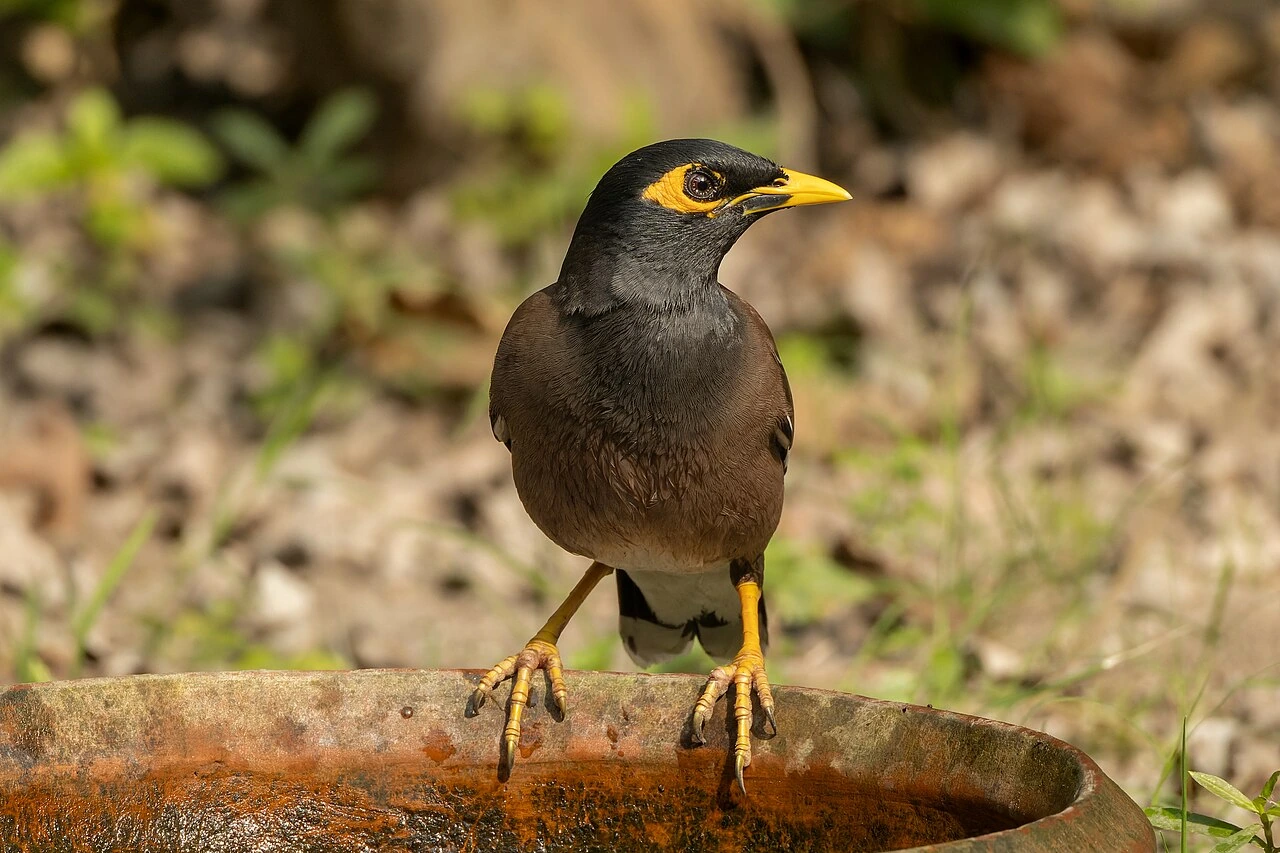
The mouth of a bird is called the beak or the bill. Encyclopaedia Britannica also links the terminology around birds' beaks, noting that blank" rel="noopener noreferrer">“bill” is preferred for certain beak structures in its bird-anatomy discussion. Both words refer to the same structure: the hard, projecting mouthpart that birds use to eat, preen, build nests, and interact with their environment. In formal anatomy, you'll also see it called the rostrum.) So if you're trying to fill in a crossword clue, name a body part for a school project, or just settle a debate with a friend, the short answer is: beak, bill, or rostrum, all correct, all describing the same thing.
Mouth of Bird Is Called: Beak vs Bill vs Rostrum

James Ridgley
17 Apr 2026
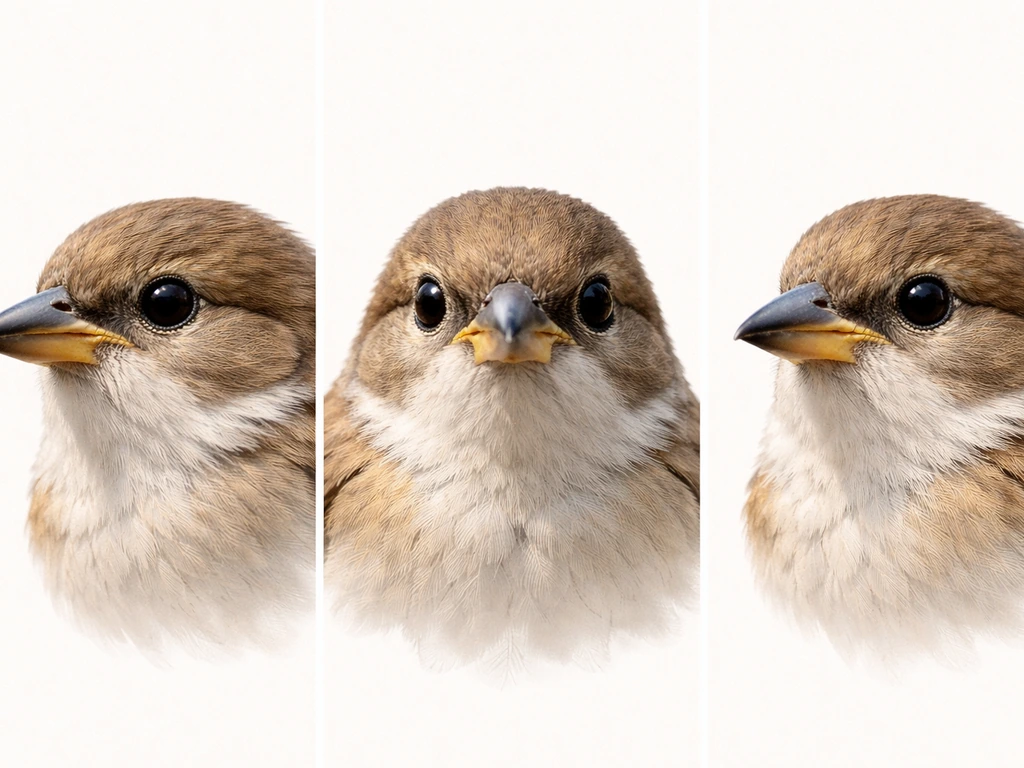
The direct answer: what a bird's mouth is actually called
A bird's mouth is called the beak (also written as bill or rostrum). The Cornell Lab of Ornithology's Bird Academy glossary defines a bill as "a bird's upper and lower jaws, including the external covering; also called the beak." That definition neatly tells you everything: beak and bill are interchangeable terms for the same structure, and both are considered correct in scientific and everyday usage. Rostrum is the Latin-rooted anatomical term you'll see in more technical ornithology writing, but in normal conversation and most field guides, beak or bill is what you'll encounter.
A takeaway sentence to bookmark: the mouth of a bird is called the beak or bill, and the formal anatomical name is rostrum. All three are valid; the one you choose depends on context.
Beak vs bill vs rostrum: picking the right word
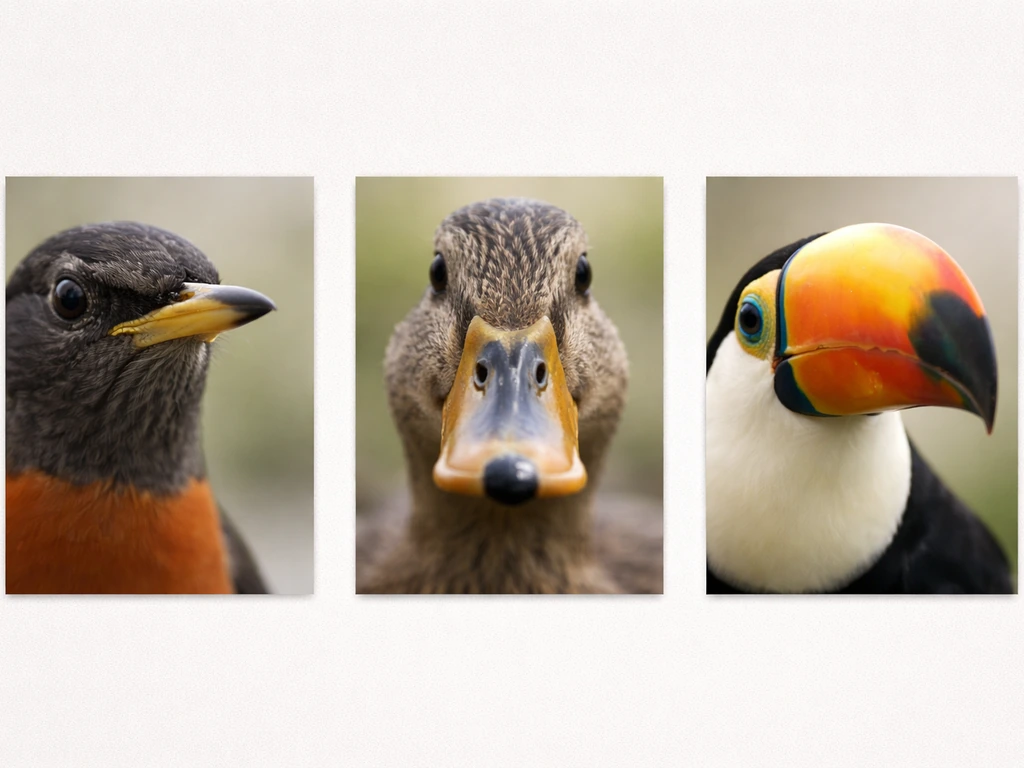
In practice, beak and bill are used almost interchangeably, but there are soft conventions worth knowing. Cornell Lab's All About Birds notes that some people prefer "beak" when talking about songbirds with pointed, narrow mouthparts, and "bill" when describing birds like ducks or herons with broader, fleshier mouthparts. That said, Cornell also acknowledges the usage varies by writer and audience, so there's no hard rule.
If you want to go deeper on the slang and informal side of this, bird beak slang terms covers all the colorful informal names people use beyond the clinical vocabulary. And if you're looking specifically for synonyms used in writing or crosswords, another name for the beak of a bird runs through the full list of accepted alternatives.
| Term | Register | Best used for | Example |
|---|---|---|---|
| Beak | Everyday / informal | Songbirds, raptors, parrots, general use | "The sparrow cracked the seed with its beak." |
| Bill | Everyday / semi-technical | Waterfowl, wading birds, scientific writing | "The duck's bill filtered mud from the water." |
| Rostrum | Technical / anatomical | Ornithology papers, anatomy descriptions | "The rostrum length is measured from the base to the tip." |
My personal recommendation: use beak in casual conversation and when writing for a general audience. Switch to bill when discussing waterfowl or referencing field guides, since that's the convention you'll see most often there. Reserve rostrum for academic or anatomy contexts where precision matters.
Other parts people confuse with 'the mouth'
The beak or bill is the structure most people mean when they say "bird's mouth," but there are a few related anatomical terms that often get tangled up in conversation. Knowing the difference helps you describe birds accurately, whether you're talking to a vet, writing a description, or just trying to be precise.
- Gape: This is the opening of the mouth — the actual gap between the upper and lower bill when it's open. When birders say a nestling has a wide gape, they mean the mouth opens very broadly. It's not the beak itself; it's the opening.
- Nares (or nostrils): These are the small openings of the nasal cavity located in the upper beak, usually near its base. Cornell Lab defines nares as "the openings of the nasal cavity; located in the upper beak, usually near its base; also called nostrils." People sometimes mistake these for part of the mouth, but they're a separate feature entirely.
- Throat (or gular region): The area just below the bill and chin. In species descriptions, throat coloring is a key ID marker. It's adjacent to the bill but not part of it.
- Tomium (plural: tomia): The cutting edges of the bill. Raptors often have a notch in the tomium used to dispatch prey. Again, part of the bill, but a specific named portion of it.
- Culmen: The ridge running along the top of the upper bill from base to tip. Measurements of the culmen are used in scientific species descriptions.
If you're describing a bird to someone, saying "the beak" covers the whole structure. But if a vet or field guide asks about the gape, nares, or culmen, those are specific sub-parts, not the entire mouthpart. Most beginners only ever need to know beak/bill, gape, and nares to cover 95% of conversations.
Using these terms in everyday birding and pet conversations
For birdwatching contexts, bill is the word you'll see most often in field guides like the Sibley Guide or Peterson's, especially in species descriptions ("bill: short and stout, triangular"). When you're out in the field and chatting with other birders, beak is perfectly natural and everyone understands it. Birding slang has its own vocabulary, and beak fits right in there alongside informal nicknames for species and behaviors.
For pet bird owners, beak is by far the most common term. You'll hear it from avian vets, pet store staff, and parrot forums alike. When a vet says your bird's beak is overgrown or misaligned, they mean the bill/rostrum needs trimming or correction. You can use either word and be understood, but beak tends to feel more natural when you're talking about a pet.
Word puzzle enthusiasts and crossword solvers: beak and bill are both classic four-letter answers used interchangeably in clues that read "bird's mouth" or "avian mouthpart." It's worth knowing both since either could be the intended answer depending on the grid. Puzzles sometimes get creative with vocabulary, and compound word puzzles involving bird are a good example of how bird terminology shows up in unexpected language contexts.
For those who enjoy the stranger corners of bird-related language, there's even a well-known phrase built on the idea that the bird is the word: the shellac/bird finger phrase is a fun example of how bird terminology bleeds into popular culture in ways that have nothing to do with anatomy.
Spelling, pronunciation, and how to double-check
Spelling
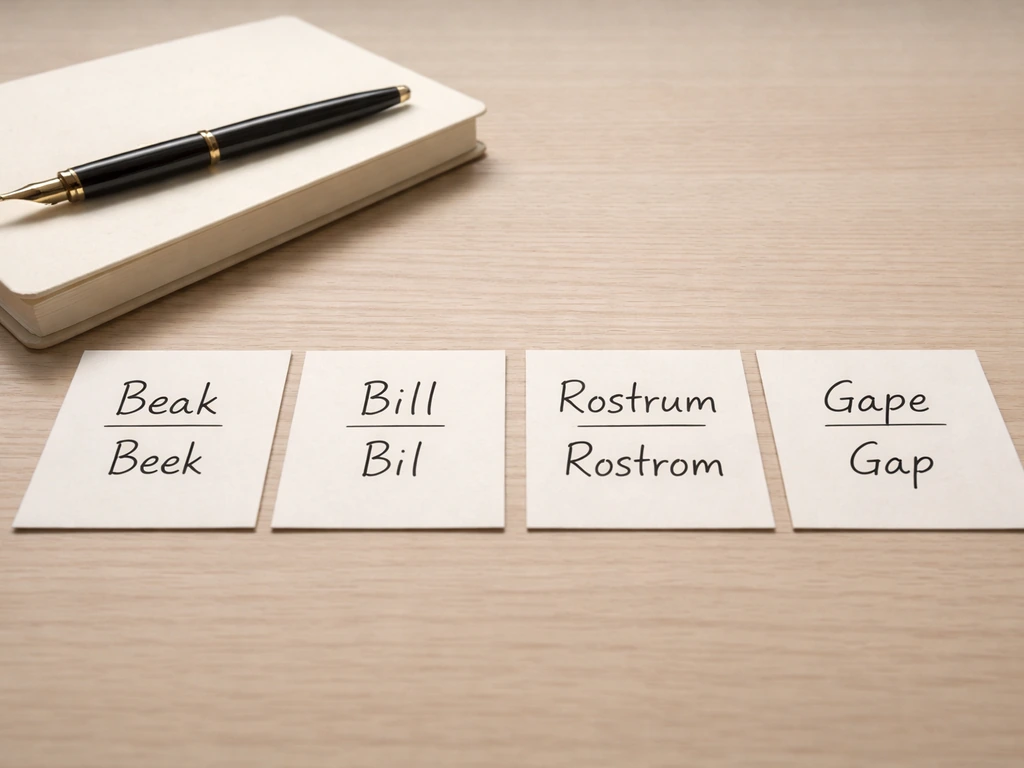
All three main terms are straightforward to spell, but here's a quick reference since misspellings do happen, especially with rostrum.
| Term | Correct spelling | Common misspelling to avoid |
|---|---|---|
| Beak | B-E-A-K | Beek, Beke |
| Bill | B-I-L-L | Bil (one L) |
| Rostrum | R-O-S-T-R-U-M | Rostrom, Rostram |
| Gape | G-A-P-E | Gaip, Gape (correct — not 'gap') |
| Nares | N-A-R-E-S | Naris (singular only), Naires |
Pronunciation
- Beak: BEEK (rhymes with "week") — IPA: /biːk/
- Bill: BIL (rhymes with "fill") — IPA: /bɪl/
- Rostrum: ROS-trum (first syllable stressed, like "roster" minus the 'er') — IPA: /ˈrɒs.trəm/
- Gape: GAYP (rhymes with "tape") — IPA: /ɡeɪp/
- Nares: NAIR-eez (two syllables, rhymes with "dares" with an 'ee' ending) — IPA: /ˈneɪ.riːz/
Quick next steps to verify and go deeper
If you want to verify any of these terms or explore how they're used in broader bird language contexts, a few easy moves: check the Cornell Lab's Bird Academy glossary online (free, authoritative, searchable by term), look at the species description section of any major field guide under "Identification," or search All About Birds for a specific species to see how bill vs beak is used in practice. Terminology questions also come up frequently around compound words and hyphenation in bird writing, so if you're writing about birds and need to be sure about formatting, checking whether something like birdwatching is hyphenated or birdseed is one word or two are the kinds of practical language checks that will make your writing cleaner. The same care that applies to those spellings applies to anatomical terms: when in doubt, cross-reference a specialist glossary.
For informal or slang usage, which comes up more than you'd think in bird communities online, bird beak terms from Urban Dictionary and informal sources gives a sense of how these words are used outside of field guides and ornithology papers. The bottom line: beak and bill are both correct, rostrum is the anatomical term, and any of them will be understood by anyone who knows birds.
FAQ
Is “beak” only the tip of the mouth, or the whole mouthpart?
In everyday bird talk, “beak” usually means the entire beak structure, including both the upper and lower jaws covered by the outer horny layer. If you are describing a specific sub-part, terms like gape (the opening) or culmen (the upper ridge) are more precise than beak alone.
Do “beak” and “bill” mean different things for birds with unusual mouths, like pelicans or raptors?
No, they still refer to the same overall mouthpart, even when the shape looks very different. The convention is mostly stylistic, and field descriptions will specify the exact shape terms (like hooked, broad, or stout) rather than switching to a different anatomical word.
What does “rostrum” mean compared to beak and bill?
“Rostrum” is a more technical anatomy term for the projecting mouthpart. In most non-academic writing, beak or bill is preferred, but in veterinary notes or detailed anatomy discussions you may see rostrum used alongside other cranial terms.
In a crossword, if the clue says “bird mouth,” should I always write beak or bill?
Most of the time, yes, but it depends on length. Many common clues expect “beak” (4 letters) or “bill” (4 letters), but some crosswords use “rostrum” (7 letters) or expect a more specific answer, so check letter counts and crossing letters before deciding.
When I talk to a veterinarian, is it better to say beak or bill?
Either will be understood, but “bill” is common in clinical and bird-breeding contexts, and it matches how many references describe the jaw structure. If your vet uses one term in their report, mirror that wording so you are talking about the same feature.
What if someone says “upper beak” or “lower beak,” are those correct?
Yes, but it is more precise to say upper mandible and lower mandible, or simply upper bill and lower bill when staying in plain language. “Upper” and “lower” help if you are discussing issues like overgrowth, misalignment, or where a bird scrapes or grasps food.
Are the “nares” and “gape” part of the beak, or separate?
They are related sub-parts, not separate mouthparts. Nares are the nostril openings on the beak, and gape is the opening at the mouth. If you are answering a question that asks about “the mouth” generally, use beak, and if it asks about an opening or nostrils, use gape or nares.
Why do some birders insist “beak” is wrong for ducks and herons?
That is a soft convention, not a rule. Writers sometimes associate “beak” with narrow-pointed mouths (often songbirds) and “bill” with broader, fleshier mouths (often waterfowl), but usage varies by author and publication, and both words remain correct.
Is it “beak” or “bill” when writing identification notes, like “bill: short and stout”?
In many field guides, “bill” is the label used in species descriptions, especially in structured identification sections. Using “bill” in those contexts typically matches the source style, even though “beak” would still be understood by most readers.
Next Article
How to Pronounce Mynah Bird (MY-nah vs my-NAY)
Learn how to pronounce mynah birds word mynah or myna, with syllables, stress, and quick self-check tips.