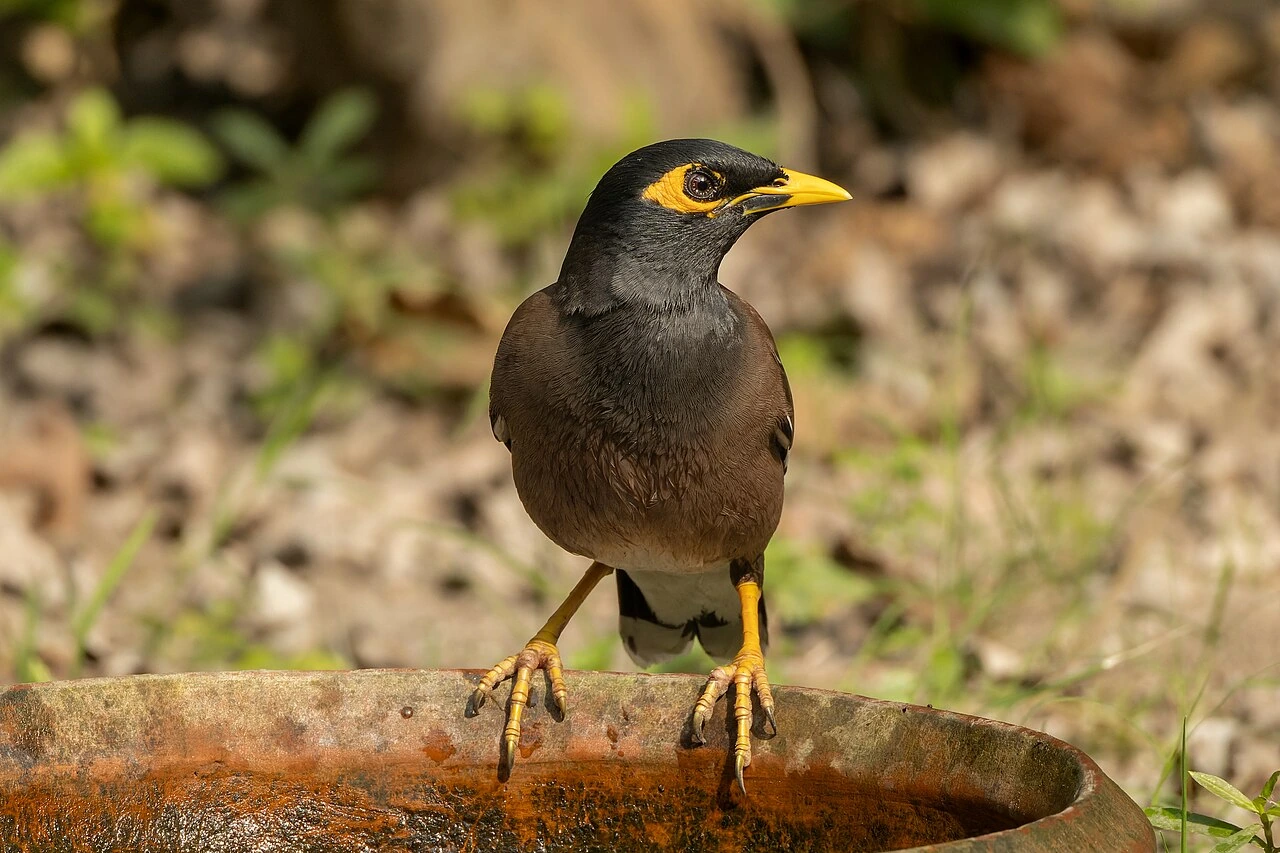
The cloaca (pronounced klo-AY-kuh) is not a bird species or a bird name. It is an internal anatomical chamber found in birds that serves as the single shared exit point for the digestive, urinary, and reproductive systems. In plain terms: everything a bird expels from its body, whether droppings, urine, eggs, or sperm, passes through the cloaca before leaving via a small external opening called the vent. That one sentence covers the core question, but if you are reading a field guide, a vet report, or a bird care resource and need to understand exactly what the cloaca does and how to use the term correctly, read on.
Cloaca Meaning in Birds: Location, Function, and Origin

James Ridgley
16 Apr 2026
What the cloaca actually is
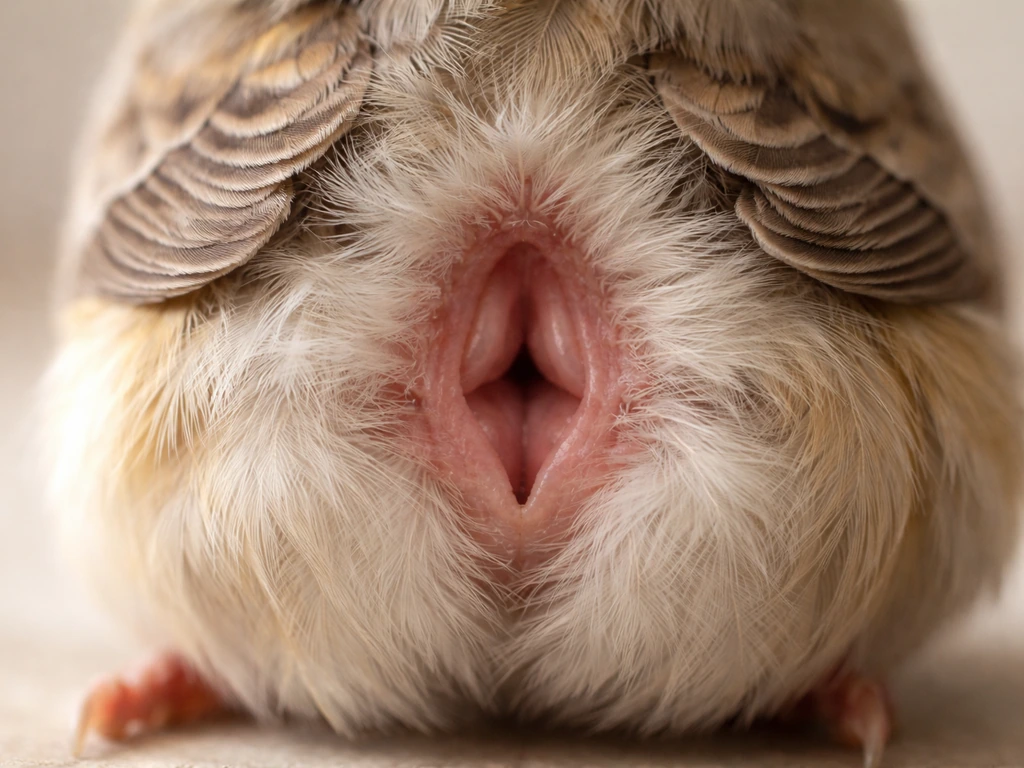
The cloaca is a tubular internal cavity located at the rear of a bird's body, just before the external vent opening. It is common to the digestive and urogenital tract, meaning the intestine, the ureters (from the kidneys), and the reproductive ducts all empty into it. No other vertebrate group relies so completely on a single multi-purpose chamber for all three systems simultaneously, which is part of what makes the avian cloaca such a frequently discussed topic in bird anatomy.
It is useful to think of the cloaca as a small internal anteroom. Waste and reproductive materials enter it from the inside, accumulate briefly, and then exit together or in quick succession through the vent. PetMD describes the cloaca as the part of the bird that stores urates, feces, urine, and egg before passage, which gives a good sense of just how much work this one structure does.
Where the cloaca sits and how it is built
The cloaca sits at the very end of the digestive tract, in the ventrocaudal (lower rear) region of the bird's body. The external opening, the vent, is a transverse slit in the body wall that you can see on a live bird if you part the feathers at the base of the tail. The vent is what is visible from outside; the cloaca is the internal chamber it leads to.
Internally, the avian cloaca is divided into three distinct chambers, each with its own role:
- Coprodeum: the most cranial (forward) chamber, which receives fecal material directly from the large intestine/colon.
- Urodeum: the middle chamber, where the ureters from the kidneys open (delivering urates and urine) and where the reproductive ducts also enter. In males, the ductus deferens connects here via raised papillae on the dorsolateral walls.
- Proctodeum: the final and most caudal chamber, leading directly to the external vent. This is the last stop before anything exits the bird's body.
One interesting quirk of avian physiology worth knowing: urates from the kidneys can move retrograde (backward) from the urodeum into the coprodeum. This mixing is part of why a bird's dropping is a combined package of fecal matter and the white uric acid paste (urates) rather than two separate outputs as you would see in mammals.
Eggs, droppings, mating, and the cloaca's role in all three
Waste excretion
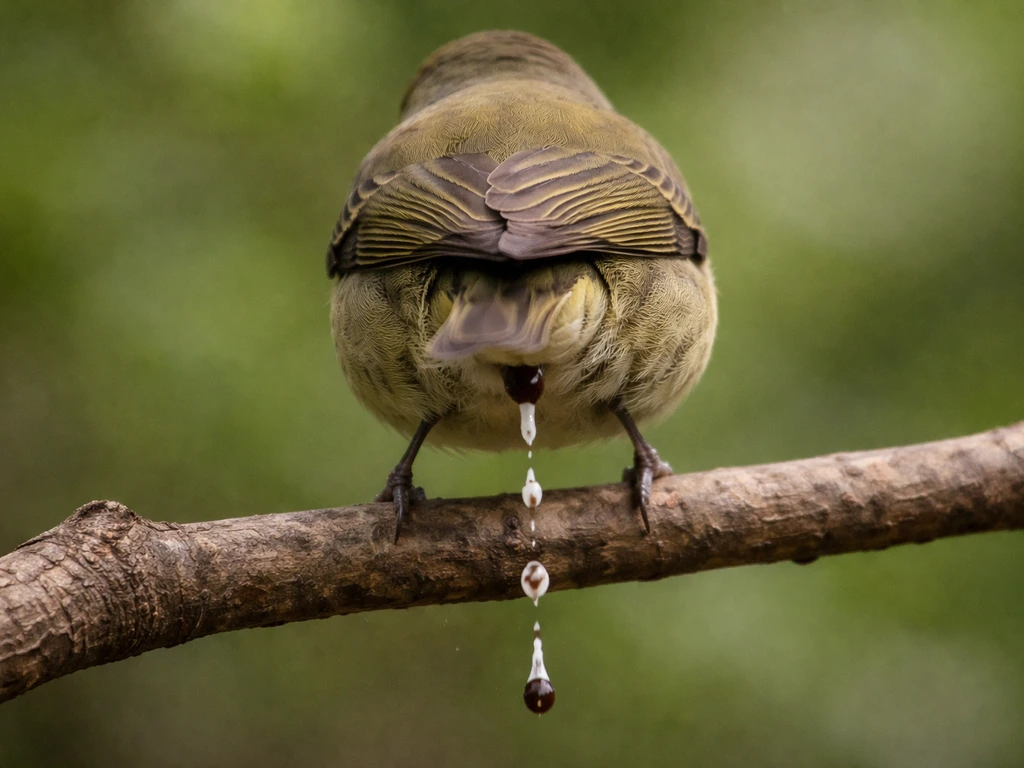
Every dropping a bird produces passes through the cloaca on the way out. The fecal component enters through the coprodeum, urates from the kidneys enter through the urodeum, and everything moves through the proctodeum and exits via the vent. The cloacal lips (the muscular edges of the vent) control the timing and passage of eliminations. This is why a bird that is straining or has tissue protruding from the vent is described clinically as having a cloacal prolapse.
Egg laying
Female birds have no uterus or vagina in the mammalian sense. The oviduct, the tube through which a developing egg travels, empties directly into the cloaca. As a fully formed egg moves down the oviduct, the final section pushes it into the cloaca and then out through the vent. During this moment, the cloacal mucosa can briefly evert (turn outward), which is the source of the reddened tissue sometimes visible after a hen lays an egg. This normal, temporary exposure is worth knowing about so it is not mistaken for a health problem.
Mating and sperm transfer
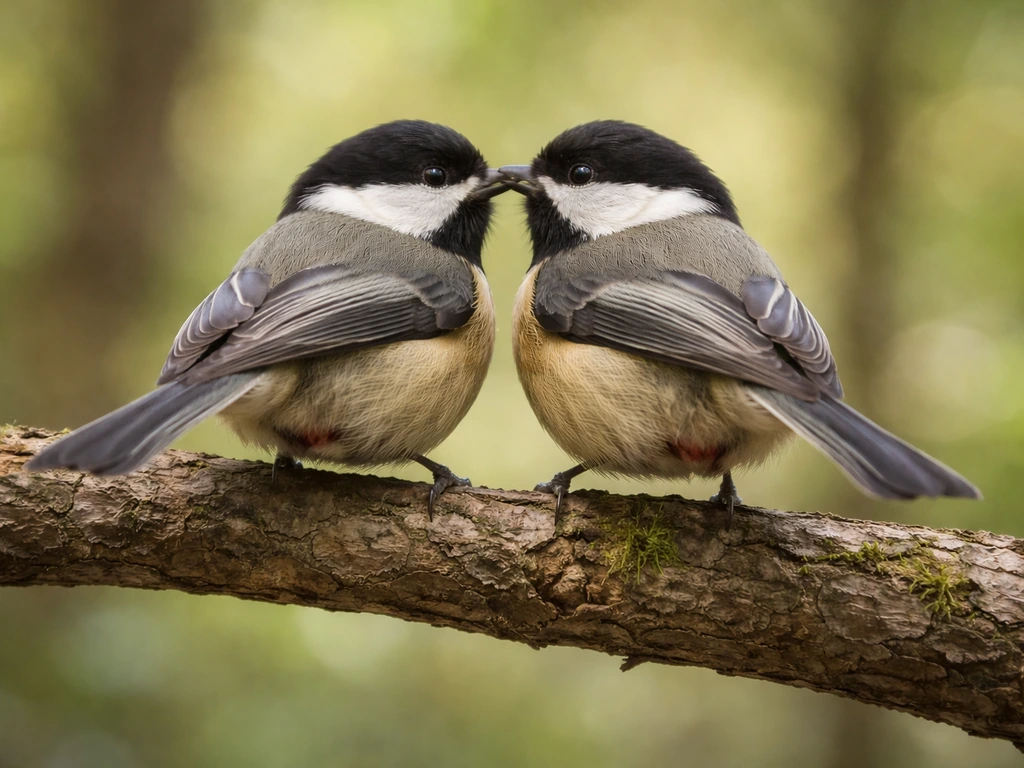
Most bird species (roughly 97%) lack a penis. Mating occurs through what ornithologists call the cloacal kiss: the male and female position themselves so their vents make brief contact, typically lasting only a second or two. The male's cloacal region everts slightly, and sperm is transferred directly to the female's cloacal opening. From there, sperm travel up the oviduct toward the upper end where fertilization takes place. Sperm can be stored in the lower oviduct for days or even weeks in some species before reaching the egg. The cloacal kiss is the standard copulation method across passerines (songbirds) and most other bird families.
How to say it, spell it, and where the word comes from
Pronunciation: the standard English pronunciation is klo-AY-kuh. In IPA, that is /kloʊˈeɪ.kə/ in General American English and /kləʊˈeɪ.kə/ in British Received Pronunciation. The stress falls on the second syllable (AY), not the first. The plural is cloacae (klo-AY-see) in formal/Latin usage, or simply cloacas in everyday English.
Spelling: the word is always c-l-o-a-c-a. There is no silent letter, no double consonant, and no alternate spelling in modern English. A common typo is 'cloaca' written as 'cloaka' or 'cloecia', but neither is correct.
Etymology: the word comes directly from Latin, where cloaca meant a sewer or drain. That Latin root is connected to cluere, meaning 'to cleanse', and the verb cluo meaning 'I cleanse'. The same root gave the ancient Romans their word for the great sewer of Rome, the Cloaca Maxima. It is a fitting origin for a structure whose entire biological job is to manage and expel the body's waste and reproductive output. If you enjoy tracing bird and animal terminology back to its roots, you will notice that anatomical Latin terms like this one tend to describe function rather than appearance, which is consistent with how Latin-derived scientific vocabulary in ornithology and zoology tends to work.
Cloaca vs. cloacal, and other terms that trip people up
The single biggest point of confusion is between 'cloaca' (the noun, referring to the structure) and 'cloacal' (the adjective, used to describe things related to it). When you read 'cloacal prolapse', 'cloacal kiss', or 'cloacal swab', the word 'cloacal' is simply the adjectival form, meaning 'of or relating to the cloaca.' Both words refer to the same structure; cloacal is just the descriptor used when modifying a noun.
The second common confusion is cloaca versus vent. These two terms are related but not interchangeable. The vent is the external opening, the visible slit at the base of the tail. The cloaca is the internal chamber behind it. Pet-care resources like Kaytee's bird examination chart label the external opening as 'Vent (cloaca)' to acknowledge that the two terms are closely linked, but technically the vent is the opening and the cloaca is the room behind the door. In casual birdkeeping and poultry contexts, the two words are often used loosely to mean the same thing, so context matters.
A third misconception is that the cloaca is an organ in the way the heart or liver is an organ. It is more accurately described as a chamber or cavity, a shared space where multiple tracts converge, rather than a discrete organ with its own specialized tissue function. Finally, some people assume the cloaca is only relevant to reproduction, but it handles every single excretory output the bird produces, every day. Reproduction is just one of its three major roles.
A quick comparison of what passes through the cloaca
| What passes through | Which chamber it enters | Where it originates |
|---|---|---|
| Fecal matter | Coprodeum | Large intestine / colon |
| Urates and liquid urine | Urodeum | Kidneys via ureters |
| Eggs (females) | Proctodeum (via oviduct) | Oviduct / reproductive tract |
| Sperm (males, outgoing) | Urodeum / proctodeum | Testes via ductus deferens |
| Sperm (females, incoming) | Proctodeum | Transferred from male at vent contact |
How birders, pet owners, and vets actually use this term
If you keep pet birds, the practical situations where you will encounter the word cloaca (or vent) are health checks and veterinary visits. When you examine a bird, a clean, dry vent with no matted feathers or discoloration around it is a good sign. Urates or feces sticking to the feathers around the vent can indicate digestive problems or cloacal disease. A veterinarian describing 'cloacal prolapse' means that tissue from inside the cloaca is protruding through the vent, which is a genuine emergency requiring prompt attention.
For birders in the field, the term comes up most often in the context of sexing birds (using cloacal examination to determine sex) and in behavioral descriptions of mating. When a field guide or research paper references 'cloacal protuberance' in male songbirds, it is describing a seasonal swelling of the cloacal area in breeding males that makes the vent region slightly raised, a feature used to sex birds in hand during banding operations.
Crossword and word puzzle enthusiasts sometimes encounter 'cloaca' as an answer or clue, often in the context of animal anatomy. If you have been working through puzzles that involve bird anatomy vocabulary alongside other bird-related terms, the same puzzle series might include a common farmyard bird crossword clue where poultry anatomy vocabulary like 'cloaca' and 'vent' could easily appear as part of the answer set.
Puzzle setters also draw on specific bird types when constructing clues. A puzzle focused on waterbirds, for example, might reference a common marine bird crossword entry in the same grid as an anatomy-related answer, since seabirds are among the most studied groups in avian biology and their reproductive anatomy is well documented.
Broader bird vocabulary puzzles can cover everything from habitat to anatomy. If you are working through a grid that includes habitat-based entries like a common city bird crossword clue alongside science-based answers, knowing that 'cloaca' is a five-letter anatomical term (not a bird name) will save you time.
Similarly, puzzles built around size or appearance descriptions, such as a common small brown bird crossword clue, can coexist with anatomy vocabulary in themed ornithology crosswords, where knowing precise terminology matters as much as knowing species names.
One more context worth flagging: bird anatomy terms appear regularly in puzzles that group birds by habitat, including freshwater and wetland species. A grid featuring a common aquatic bird crossword clue might be built around a broader ornithology theme where 'cloaca' or 'vent' shows up as a secondary answer.
What to do if you need this information right now
If you are reading a vet report and see 'cloacal': it is the adjective form of cloaca. It means whatever noun follows (prolapse, swab, examination) is related to that internal rear chamber.
- If your bird has tissue visibly protruding from the vent, that is a cloacal prolapse. Contact an avian vet the same day.
- If your bird has dirty or matted feathers around the vent area, check for diarrhea, cloacal disease, or egg-laying difficulty.
- If you are sexing a bird in hand and someone mentions 'cloacal protuberance', they are looking for seasonal swelling near the vent to identify a breeding male.
- If you are reading a field guide description of mating and it mentions 'cloacal kiss', it means standard vent-to-vent sperm transfer, the default reproductive method for most birds.
- If you see 'cloaca' in a crossword or anatomy quiz, remember: it is a noun (the internal chamber), it is pronounced klo-AY-kuh, and it is not a bird species.
The bottom line: the cloaca is one of the most functionally important structures in bird anatomy, handling waste, reproduction, and egg-laying all through a single internal chamber. Knowing the difference between the cloaca (internal), the vent (external opening), and cloacal (the adjective) will make every bird care resource, field guide, and veterinary document you read from here on significantly easier to understand.
FAQ
If a vet says “vent” but the chart says “cloacal,” are they talking about the same place?
In a medical or lab context, “vent” usually means the external slit, while “cloaca” means the internal chamber. If a report says “cloacal swab,” the swab is intended to sample material from the cloacal opening leading into the chamber, not just the outside skin and feathers.
What vent or droppings changes are actually normal for birds, and what suggests a cloacal problem?
A mild amount of dried urates around the vent can be normal, especially after a few hours of inactivity. What is not normal is ongoing wetness, foul odor, blood, swelling, or material continuously stuck to the vent area, which can suggest infection or obstruction.
Can I clean a bird’s vent or remove stuck urates myself, or should I leave it alone?
Yes. If the vent region is very dirty or feathers are matted, gently rinsing with warm water and patting dry is typically safer than pulling off crusts. If a bird shows pain, bleeding, or tissue protrusion, stop and seek veterinary help rather than trying to “clean it off.”
How reliable is cloacal sexing, especially for young birds or non-breeding season?
Cloacal examination is used in sexing, but accuracy depends on species, the bird’s age, and the examiner’s experience. Juveniles and out-of-season birds can have less obvious cloacal features, so results may need confirmation later.
How can I tell the difference between normal temporary mucosa exposure after laying and a true prolapse?
During egg-laying, the cloacal mucosa can briefly evert and look reddish, but normal eversions usually resolve quickly. Prolonged red tissue, persistent swelling, or tissue that keeps coming out between eggs can indicate prolapse and should be treated as urgent.
What should I do if my bird is straining at the vent but nothing comes out?
If a bird is straining without producing an egg or droppings, that can be an emergency. Obstruction or egg binding can cause dehydration and rapid decline, so you generally should not wait for home measures if straining persists.
When a diagnosis says “cloacal” disease, what does that typically include versus what it does not?
Some parasites or infections can involve the lower digestive tract and cloacal area, but the term “cloacal” in a diagnosis does not always mean a disease of the chamber itself. It can refer to symptoms found at the cloacal opening, so ask what specific condition is suspected (for example, infection versus inflammation versus obstruction).
Does the cloacal kiss always result in immediately fertile eggs?
Because sperm can be stored in the female’s lower oviduct, mating does not always mean fertilization happens immediately. Even with successful cloacal contact, eggs may not be fertile if fertilization timing does not align with ovulation.
In my bird care guide, how do I decide whether to monitor the cloaca or the vent?
You can spot one clear distinction in terminology: “cloacal” describes the internal chamber and related procedures or features, while “vent” describes the external opening. If an instruction says to watch the vent, you are assessing the outside (color, swelling, discharge) rather than the internal structure directly.
Next Article
How to Pronounce Mynah Bird (MY-nah vs my-NAY)
Learn how to pronounce mynah birds word mynah or myna, with syllables, stress, and quick self-check tips.