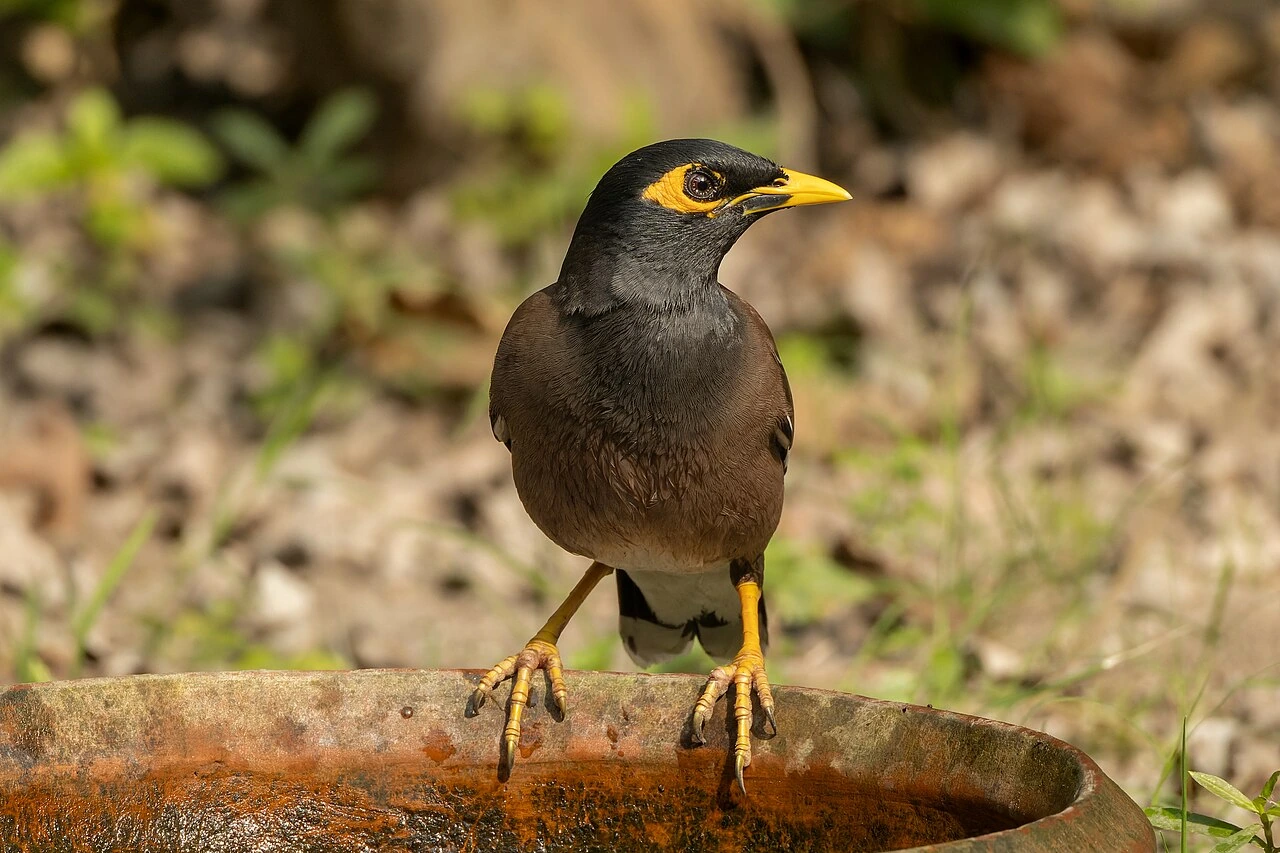
The word "bird" is pronounced differently depending on which side of the Atlantic you're on, but in both cases it's a single syllable: UK English gives you /bɜːd/ (think "berd" with a long, smooth vowel), while US English gives you /bɝːd/ (the same shape but with a noticeable "r" curling through the middle of the vowel). Neither is wrong. They're just two accents doing their thing. Once you know which target you're aiming for, the word is genuinely easy to say correctly.
How to Pronounce Bird in English Step by Step

James Ridgley
9 Apr 2026
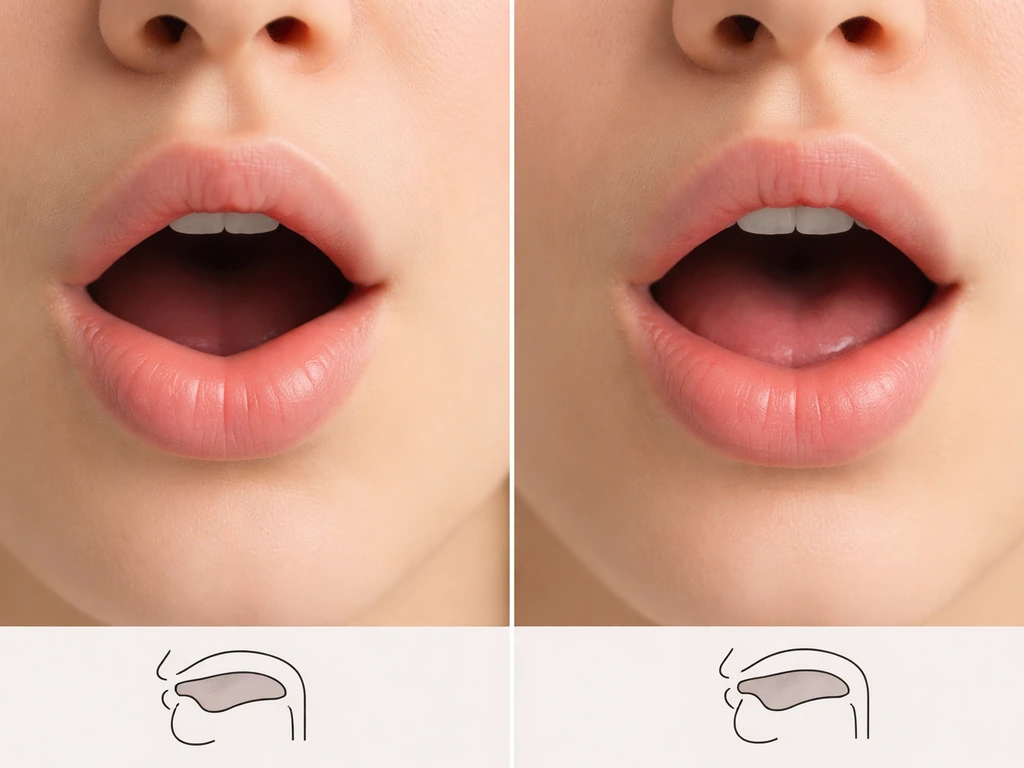
UK vs US: which pronunciation are you after?
Both Cambridge Dictionary and Collins Dictionary agree on the phonetics. The UK pronunciation (Received Pronunciation) is /bɜːd/: a long central vowel with no "r" color, followed by a soft "d." The US pronunciation (General American) is /bɝːd/: the same structure, but the vowel carries a distinct rhotic quality, meaning your tongue curls slightly toward the roof of your mouth while you're saying it. That rhotic "r" embedded in the vowel is the single biggest difference between the two.
| Feature | UK English /bɜːd/ | US English /bɝːd/ |
|---|---|---|
| Vowel sound | Long, open central vowel (like "er" in "her" without r-coloring) | Same vowel but with rhotic r-coloring curled into it |
| "R" in the vowel? | No (non-rhotic) | Yes (rhotic) |
| Final consonant | Soft /d/ | Soft /d/ |
| Syllables | One (BIRD) | One (BIRD) |
| Sounds like | "berd" (smooth) | "brrrd" (curled r) |
If you're learning for a British exam, a BBC-style voiceover, or simply because you prefer RP, aim for /bɜːd/. If you're preparing for American conversation, a US podcast, or working with American birding guides, aim for /bɝːd/. Both are perfectly standard in their own contexts.
Building the word sound by sound
"Bird" has three sounds stacked into one syllable: /b/ + vowel + /d/. Here is how to produce each one in order.
Step 1: the /b/ sound
Press your lips together, build a little air pressure behind them, and release with a voiced pop. This is the same /b/ you use in "ball," "bear," or "back." Nothing tricky here. Make sure it's voiced (your vocal cords are humming) rather than the unvoiced /p/ sound.
Step 2: the vowel (the hard part)
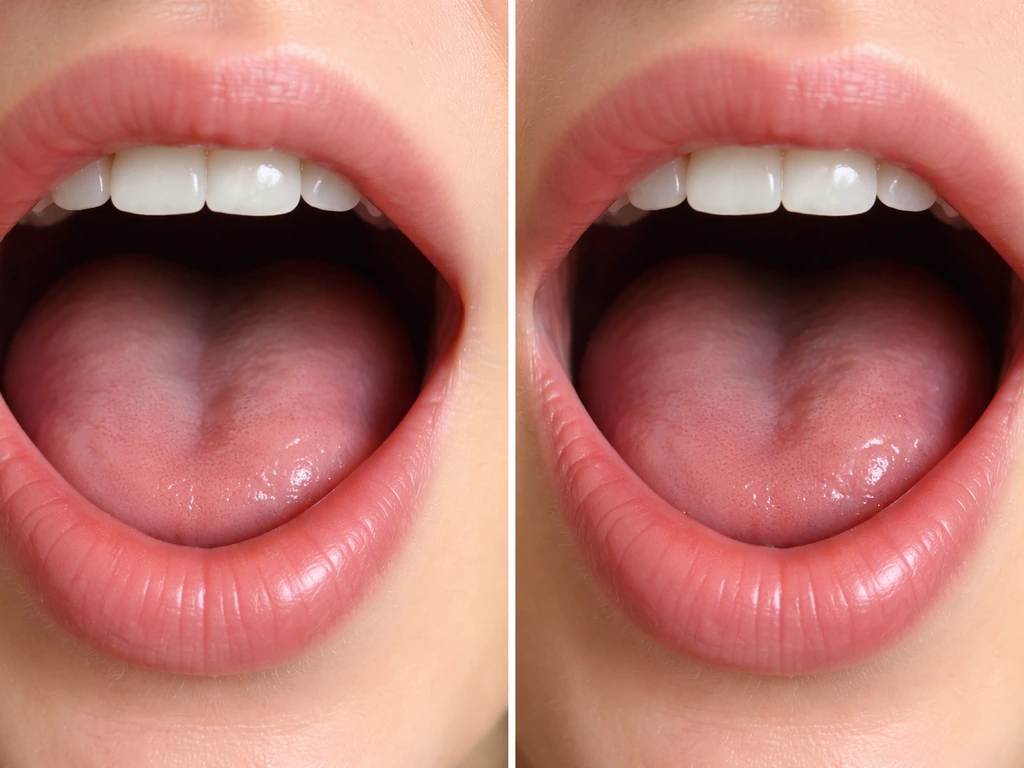
This is where most learners struggle. The vowel in "bird" is a mid-central vowel. For UK speakers, it's /ɜː/: open your mouth slightly, relax your tongue to a neutral middle position, and let the sound come out long and steady, almost like you're sighing. Think of the vowel in "her," "fern," or "word" without adding any r-curl to it. For US speakers, you do the same thing but allow your tongue tip to curl slightly back as you hold the vowel. That curl is the rhotic quality that gives American English its characteristic sound. The term “R-colored vowel” is used in linguistics to describe vowels with rhotic quality, which helps explain differences like US /ɝː/ versus UK /ɜː/. Practice the vowel alone before you add the consonants: "ɜː ... ɜː ... ɜː" (UK) or "ɝː ... ɝː ... ɝː" (US).
Step 3: the /d/ sound
Bring your tongue up to touch the ridge just behind your upper front teeth (the alveolar ridge), then release it with a voiced stop. In casual speech, especially at the end of a sentence, this /d/ is often very soft and barely released. You'll hear it clearly in "bird call" but much less so in a sentence like "I saw a bird." Either way, don't drop it entirely.
Putting it together
- Say /b/ with pressed lips.
- Flow immediately into the vowel /ɜː/ (UK) or /ɝː/ (US), holding it for a beat.
- Close with a soft /d/ by touching your tongue to the alveolar ridge.
- The whole word lasts about half a second. It should sound smooth, not choppy.
The most common mispronunciations (and how to fix them)

Most errors with "bird" fall into one of four patterns. Recognizing which one applies to you makes fixing it much faster.
- Saying "beard" instead of "bird": this happens when learners use the /ɪə/ vowel from "beer" or "ear." The fix is to drop your jaw slightly less and keep your tongue in a neutral, mid-central position rather than letting it rise toward the front of your mouth.
- Saying "bard" instead of "bird": this comes from using an /ɑː/ vowel (as in "car" or "bar"). Your mouth is opening too wide. Close it slightly and bring your tongue to that relaxed middle position.
- Saying "birt" instead of "bird": unvoicing the final consonant so it becomes /t/. Remember to keep your vocal cords humming right through to the /d/ at the end.
- Saying "bir" with no final consonant at all: some learners from non-rhotic language backgrounds drop the ending entirely. The /d/ needs to be there, even if it's gentle.
- Adding an extra syllable ("bir-ed" or "bir-id"): "bird" is strictly one syllable. Do not open your mouth after the /d/ to add a schwa. One smooth sound, then stop.
Rhymes, practice words, and drills you can do right now
The fastest way to lock in a new vowel sound is to hear it in a set of rhyming words and then drill between them. "Bird" rhymes cleanly with: "word," "heard," "third," "blurred," "stirred," and "curd." Say them back to back: "bird, word, heard, third, blurred" -- you'll notice your mouth is doing almost exactly the same thing each time. That consistency is what you're aiming for.
For a slightly longer drill, try these minimal pair sentences out loud. They force your mouth to shift between similar vowel shapes and help you hear the difference: "I heard a bird." / "A third bird stirred." / "The word was bird." If you're working on the US rhotic vowel specifically, try exaggerating the tongue curl while saying "bird, fern, her, stir" in a loop. Once the curl feels natural in all four, you've got it.
If you want to test yourself on a trickier word before moving on to species names, how to pronounce turkey bird is a great next step -- it layers the same "bird" ending onto a word with its own tricky vowel, so you get to practice the whole phrase in context.
How "bird" sounds inside species names and common phrases
When "bird" appears inside a compound bird name or a longer phrase, the pronunciation of the word itself doesn't change, but where the stress falls in the full phrase matters a lot. Merriam-Webster notes in its audio-pronunciation FAQ that some entries, including certain compounds, may not provide audio for every specific item, so it can help to check what audio is available for the exact phrase you are targeting. In most two-word bird names, the stress lands on the first word and "bird" becomes slightly reduced. So "songbird" is SONG-bird, "shorebird" is SHORE-bird, and "gamebird" is GAME-bird. The /bɜːd/ or /bɝːd/ vowel is still there, but it's quicker and less emphasized than when "bird" stands alone.
Bird-of-paradise and hyphenated names
"Bird-of-paradise" is where things get more interesting. The primary stress hits "bird," the secondary stress hits "par" in paradise, and "of" is almost swallowed: BIRD-of-PAR-uh-dise. Saying it at conversational speed, most people produce something close to "BIRDuh-PAR-dise." The "bird" element is actually the most clearly pronounced part of the whole compound, which is a useful anchor when you're unsure.
When the species name has its own quirks
Some species names that include or relate to "bird" have their own pronunciation traps separate from the word itself. For instance, knowing how to pronounce grebe bird correctly requires sorting out the "grebe" part first (it's GREEB, rhyming with "glebe"), and then the compound comes together naturally as GREEB-bird or simply GREEB in context. Similarly, how to pronounce weaver bird hinges on getting "weaver" right (WEE-ver) before the full name clicks into place.
The same logic applies to longer or less familiar names. If you're curious about how to pronounce frigate bird, the challenge is the first word: "frigate" is FRIG-it, not fri-GATE. Once you have that, "frigate bird" is FRIG-it-bird, with stress on the first syllable and "bird" trailing cleanly at the end. And if you've ever wondered about how to pronounce wading bird, the key is that "wading" is WAY-ding, making the full phrase WAY-ding-bird with a nice even rhythm.
"Bird" in everyday birding phrases
In phrases like "rare bird," "migratory bird," or "bird call," the stress pattern is determined by the surrounding words, but "bird" itself stays consistent. One place where learners sometimes stumble is in fast speech: "bird call" can sound like "berd-call" or even compress slightly, but the vowel and final /d/ should still be audible. Practice saying "bird call," "bird bath," and "bird feeder" at normal conversation speed until the word flows without you having to think about it.
If you enjoy working through bird-related pronunciations systematically, spending time with how to pronounce swallow bird is worthwhile because "swallow" (SWOL-oh) has a completely different vowel shape from "bird" -- drilling between them sharpens your ear for vowel contrast. And for pet bird owners who use common names daily, knowing how to pronounce budgie bird (BUJ-ee) is one of those practical basics that comes up surprisingly often.
A note on "plover" and other bird names where spelling misleads you
One broader lesson from working on bird pronunciation is that English bird names often look nothing like they sound. "Bird" is refreshingly straightforward by comparison. But once you start moving into species names, you run into landmines: how to say plover bird is a perfect example, because "plover" is pronounced PLUV-er (rhymes with "lover"), not PLOH-ver as most people instinctively read it. The takeaway is that "bird" at the end of a species name is almost always the easy part. It's the specific name in front that needs your attention.
Where to go from here
You now have everything you need: the IPA targets (/bɜːd/ for UK, /bɝːd/ for US), a step-by-step breakdown of each sound, a list of the most common mistakes and their fixes, a set of rhyme drills to practice, and a clear picture of how the word behaves inside real bird names. The next move is simply to say it out loud, repeatedly, with the drills above. Ten minutes of focused repetition will do more than an hour of reading about it.
FAQ
Should I pronounce the final D in “bird” clearly, or can it disappear in fast speech?
Yes, but it affects rhythm more than the vowel. If you fully devoice the final /d/, it can sound closer to “bir” or “birdh.” Aim for a voiced, soft /d/ at the end, especially when you want to be understood clearly (for example, “I saw a bird”). In very fast speech, it may be lightly released, but it should still feel like the tongue touches for the /d/.
In US English, how do I avoid making “bird” sound like “burr” or adding an extra vowel?
Treat the US vowel as one continuous sound, not “uh” plus “r.” A common mistake is to add an extra vowel or make the /r/ too separate, which turns it into something like “bər-rd.” Instead, hold one vowel quality (the rhotic curl) while you transition straight into the /d/. If it helps, practice the vowel alone as a held sound, then add /b/ and /d/ without changing your mouth shape in between.
What’s the most common mistake when trying to say “bird” in UK English?
For an accurate UK /bɜːd/, avoid turning the vowel into /ɜːr/ or /ɜːr/-like “r-coloring.” That usually happens when learners curl the tongue or tense the back of the tongue as if an /r/ is coming. Use a relaxed, neutral middle tongue position, then keep that relaxation through the whole syllable before finishing with the /d/.
How can I self-check that I’m using the right accent (UK /bɜːd/ vs US /bɝːd/)?
The IPA is the best guide, but you can also use a simple anchor: UK /bɜːd/ feels like a long “uh” with an R-free vowel (similar to “her” without exaggerating the vowel), while US /bɝːd/ adds the tongue curl that gives a “colored” vowel. When you switch accents, don’t change the consonants first, change only the vowel region, then re-attach /b/ and /d/.
Does the pronunciation of “bird” change when it comes before or after another word?
In word pairs, the vowel can subtly change because of surrounding sounds, but the target for “bird” stays the same. For example, in “word bird” or “heard bird,” you still keep the same vowel and final /d/ choice, you just adapt the speed. If you notice your vowel shrinking too much, slow down and drill “bird, word, bird, word” first, then speed up once it sounds consistent.
If I use the wrong accent version, will people misunderstand me, and how can I make it clear?
If you are speaking to someone who pronounces “bird” differently, use the same vowel target as your own accent and ensure intelligibility with the consonants. In practice, the easiest clarity lever is the final /d/ (voiced, tongue-to-ridge contact). Even if your vowel is slightly off, correct /b/ and a clear voiced /d/ helps listeners understand what you meant.
Why does “bird” sound wrong when I read it from spelling, and how do I fix that?
If you are learning by reading aloud, watch for the silent assumption that “b” plus a “i” creates /bɪ/. “Bird” does not take the short “i” vowel. A quick fix is to start from a known rhyme set (word, heard, third) and copy that vowel length and mouth shape, then add /b/ at the start.
I’m saying “bird call” and it comes out like “berd-call.” How do I correct the transition?
For “bird call,” the article often gets reduced (like “a bird call” sounding faster), but the “bird” portion should still keep its vowel and final /d/ strategy. If you’re getting “berd-call,” slow it down and separate transitions: say “bird” normally, then immediately continue into “call” without inserting an extra vowel between them.
In compounds like “songbird” or “shorebird,” should I change the vowel in “bird” or just reduce it?
Stress placement can change perceived emphasis, but the internal pronunciation of “bird” stays stable. In two-word bird names, “bird” is usually reduced, so your vowel may sound shorter and the /d/ softer. The fix is to still aim for the correct vowel quality, then simply reduce duration and intensity once the stress lands on the first word.
What’s an easy way to practice “bird” without overthinking every sound at once?
If you’re practicing alone, record yourself and compare to the vowel before the consonants. You can test by stretching just the vowel sound (like holding the middle part of the syllable) and checking whether US sounds show the rhotic tongue curl while UK stays R-free. Once that middle matches, add /b/ and /d/ back in without altering the vowel.
Next Article
How to Pronounce Mynah Bird (MY-nah vs my-NAY)
Learn how to pronounce mynah birds word mynah or myna, with syllables, stress, and quick self-check tips.