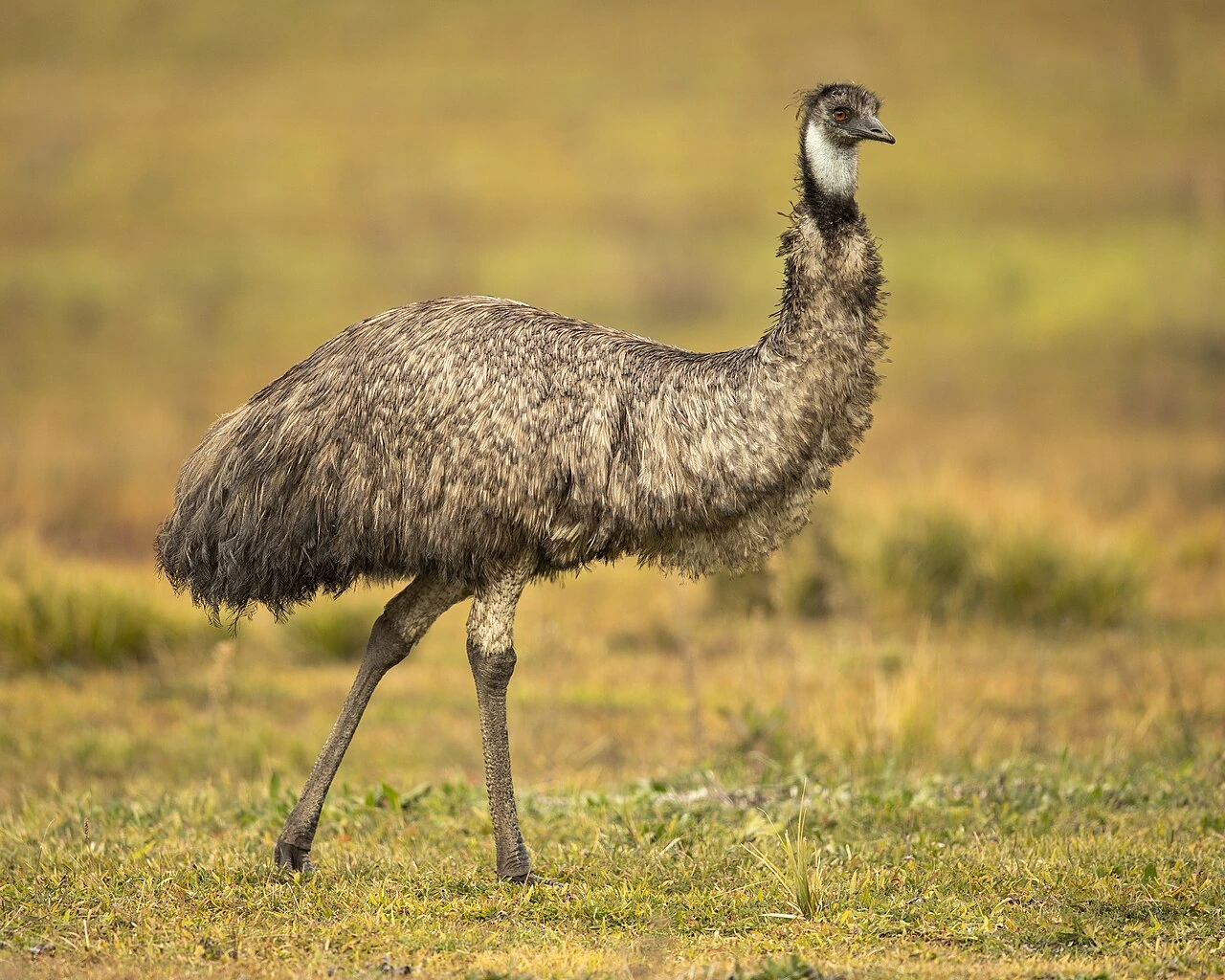
The answer is BEEEATER (8 letters). This is the NYT crossword fill for the clue 'Colorful bird named for its diet,' which blank" rel="noopener noreferrer">last appeared on September 4, 2022. Walkthroughs.net also lists the September 4, 2022 NYT crossword answers and includes “Colorful bird named for its diet,” supporting BEEEATER blank" rel="noopener noreferrer">This is the NYT crossword fill for the clue 'Colorful bird named for its diet,' which last appeared on September 4, 2022.. The bee-eater is a brilliantly colored bird in the family Meropidae whose common name does exactly what the clue says: it names the bird after what it eats.
Colorful Bird Named for Its Diet NYT Crossword Clue

James Ridgley
3 May 2026
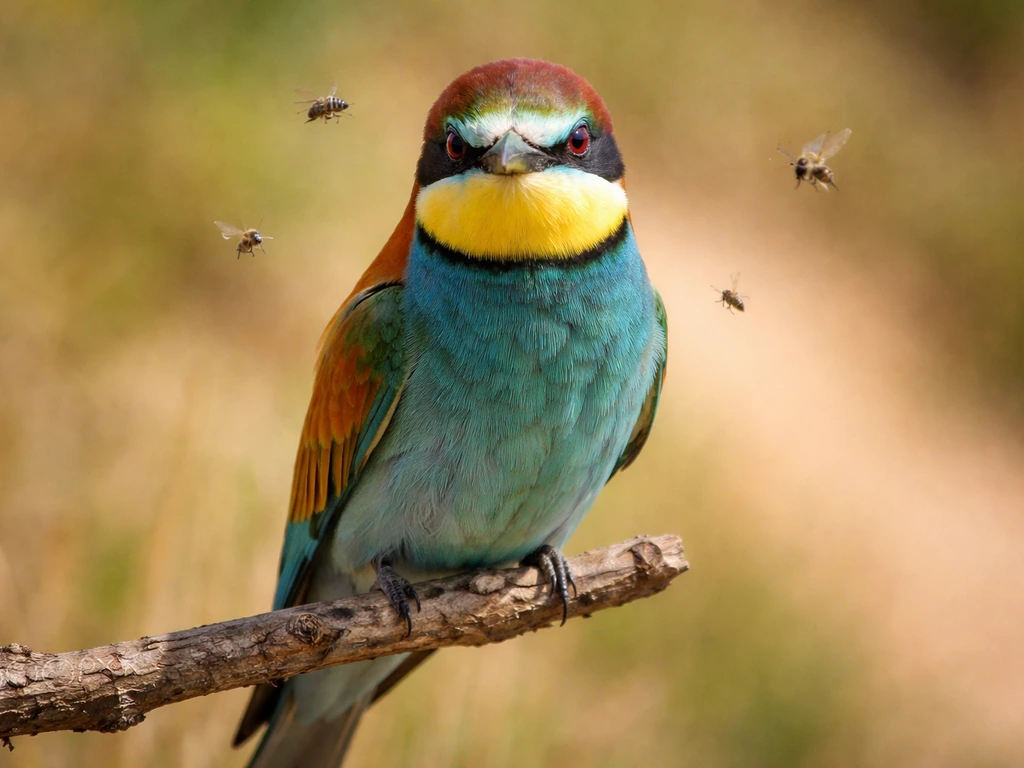
How 'named for its diet' clues work in bird common names
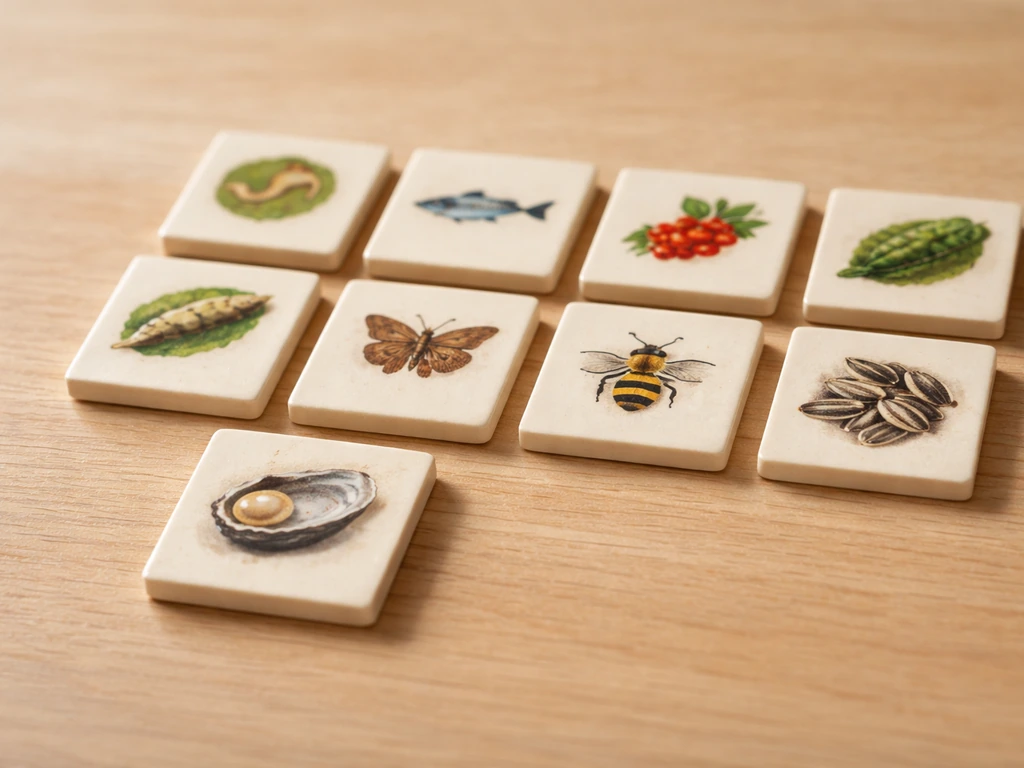
Bird common names are often built around the most obvious thing a bird does or eats. Kingfishers catch fish, oystercatchers eat oysters, and bee-eaters eat bees. This naming convention is one of the oldest in ornithology and makes perfect sense from a field-identification standpoint: if you see a bird hovering near a hive and snatching bees mid-flight, 'bee-eater' tells you everything. Crossword constructors love these kinds of names because the clue almost writes itself. When you see 'named for its diet' in a clue alongside a descriptor like 'colorful,' you're almost certainly looking for a compound common name where a food item is the first element and 'eater' (or similar) is the second.
In crosswordese, diet-based bird names are reliable fill because they're unambiguous and verifiable. The NYT in particular tends to clue them with a descriptive angle ('named for its diet') rather than just asking for the name directly, which adds a thin layer of wordplay without being misleading. If you recognize the pattern of food-plus-eater bird names, these clues become much easier to crack quickly.
Quick candidate list of colorful diet-based birds
Before locking in BEEEATER, it helps to know the full field of plausible answers. Here are the most crossword-friendly colorful birds whose common names are built around their diet:
| Bird name (common) | Diet reflected in name | Colorful? | Letters (no hyphen) | Crossword frequency |
|---|---|---|---|---|
| Bee-eater | Bees and wasps | Yes, vividly | 8 (BEEEATER) | Confirmed NYT fill |
| Kingfisher | Fish | Yes | 10 (KINGFISHER) | Common fill, different clue angle |
| Oystercatcher | Oysters and mollusks | Partially | 13 (OYSTERCATCHER) | Rare, too long for most grids |
| Flycatcher | Flying insects (flies) | Varies | 10 (FLYCATCHER) | Occasional fill |
| Honeyeater | Nectar/honey | Yes, many species | 10 (HONEYEATER) | Less common in NYT |
Of these, BEEEATER is the only confirmed 8-letter fill with a clue that specifically calls out both 'colorful' and 'named for its diet. A single drink is another way to think about a one unit answer, which matches how many solvers parse clue wording bird has one drink crossword clue. ' The bee-eater wins on both counts: Britannica and field guides consistently describe the family Meropidae as some of the most brightly colored birds in the world, with plumage spanning turquoise, chestnut, yellow, and green across dozens of species.
Use letter count and intersections to narrow to the right answer
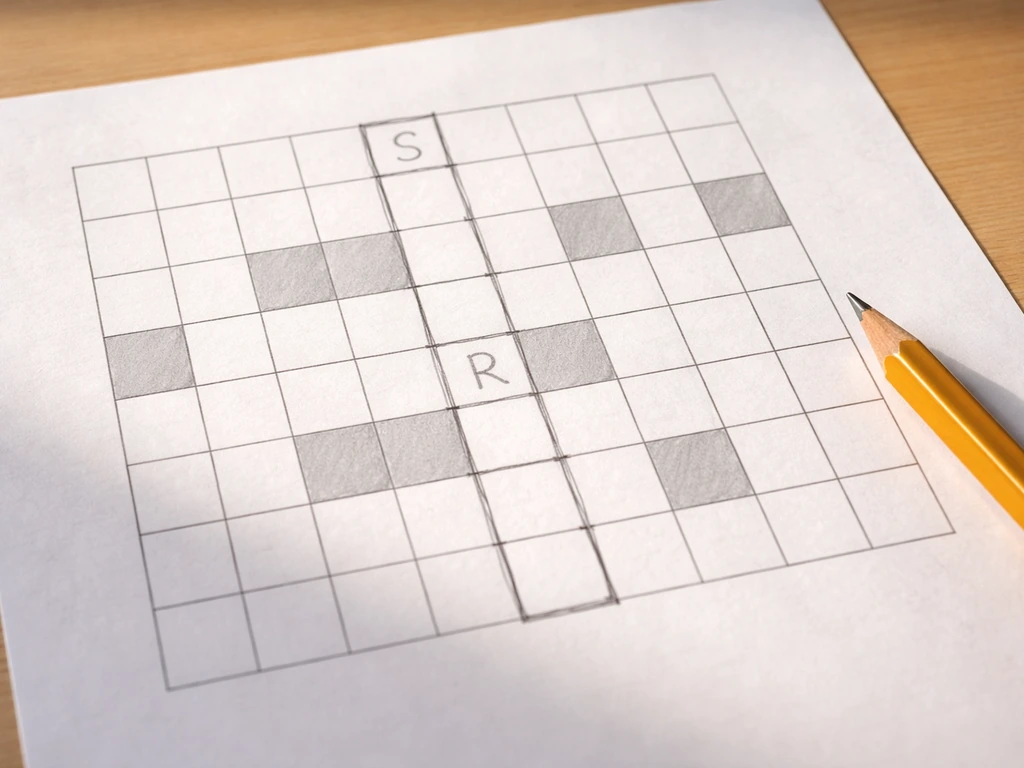
Your fastest confirmation tool in any crossword is the letter count. Count the squares in your answer row or column first. If you get 8, BEEEATER is your answer and you can fill it immediately. If you get 10, revisit KINGFISHER or FLYCATCHER, but note that neither matches the specific 'named for its diet' framing as cleanly. Here's the practical process:
- Count the squares in the answer slot before guessing anything.
- If 8 squares: write in B-E-E-E-A-T-E-R and check your crossing letters.
- Check the 3rd square (E) and the 5th square (A): these are the unusual positions in BEEEATER and the most likely spots where intersecting answers will confirm or contradict your fill.
- The triple-E sequence (squares 1 through 3) is unusual in English and is actually your confirmation signal, not a red flag: it is correct because the compound is 'bee' plus 'eater.'
- If any crossing answer gives you a consonant in square 2 or 3, reconsider the entire fill rather than the crossing answer, because BEEEATER is the documented NYT answer for this exact clue.
Grid themes can also help. If the puzzle has a nature or wildlife theme, or if other long answers reference animals or unusual color descriptors, BEEEATER fits cleanly. The September 4, 2022 NYT puzzle where this clue appeared is the reference point: if you're solving a reprint or archive puzzle from that date, you can confirm the fill with confidence.
Spelling, pronunciation, and naming conventions to verify the final fill
The standard written form of this bird's name is 'bee-eater' with a hyphen, as listed in Merriam-Webster and used consistently by the British Trust for Ornithology and Britannica. In ornithological writing, the hyphen is kept to prevent the triple-E sequence from looking like a typo. However, in crossword grids, punctuation is always dropped: hyphens, apostrophes, and spaces all disappear. So 'bee-eater' becomes BEEEATER in the grid, all caps, no hyphen, 8 letters.
Pronunciation sits somewhere between intuitive and surprising. Say it as two distinct words run together: 'BEE-EE-ter' (IPA: /biːˈiːtər/). The stress falls on the first syllable. You'll hear some birders say 'BEE-eater' with a clean two-syllable feel, but in careful speech three syllables come through: BEE-ee-ter. Neither pronunciation affects your crossword fill, but knowing the word sounds right when you say it is a good sanity check that you haven't invented a bird that doesn't exist.
In terms of naming conventions, 'bee-eater' follows the same compound-descriptor pattern used across many English bird common names. It is not a genus or species name, just the standard common English name for birds in the family Meropidae. There are about 27 recognized species worldwide, and the name applies to all of them collectively. When a crossword clue says 'colorful bird named for its diet,' it's referring to this general common name, not a specific species. In birding terms, a bird who might admire a large vibrantly colored tail would likely be noticed for showy plumage, just like the bee-eater’s colorful profile fits the clue colorful bird named for its diet. The bee-eater is also known for a distinctive reproductive behavior where the male helps incubate the eggs bird whose male incubates the eggs crossword.
Common crossword traps and close contenders
The biggest trap with BEEEATER is the triple E. Solvers frequently second-guess themselves because B-E-E-E looks wrong. It isn't. The compound 'bee' ends in two E's, and 'eater' starts with one, giving you three in a row. This is correct spelling for the unhyphenated grid form. If a crossing answer gives you a different letter in position 2 or 3, trust BEEEATER and re-examine the crossing word instead.
A second trap is confusing bee-eater with similarly structured diet-based bird names. HONEYEATER (10 letters) is colorful and diet-named but doesn't fit an 8-square slot. FLYCATCHER also misses on length and the 'colorful' part of the clue: most flycatchers are drab brown or gray. KINGFISHER is colorful and fish-named but runs 10 letters. None of these are wrong birds, just wrong answers for this specific clue and grid length.
Regional naming differences are a minor issue here. In British English, 'bee-eater' sometimes refers specifically to the European bee-eater (Merops apiaster), while American birders are less familiar with the group since no bee-eater species are native to North America. That unfamiliarity can make solvers hesitate. But the NYT crossword uses common names from international ornithology, so BEEEATER is fair game regardless of your continent.
If you enjoy this style of bird-name crossword clue, related puzzles follow similar patterns. Clues about birds defined by what they consume or how they feed are a recurring NYT theme, and understanding the naming logic behind diet-based common names makes them significantly easier to crack. Other clue types in this space involve birds defined by distinctive behaviors or physical traits associated with other animals, a pattern you'll notice recurring in bird-themed crossword puzzles.
Next-step checklist if you're still stuck
Run through this list in order and you'll have your answer confirmed in under two minutes:
- Count the answer squares. If 8, fill BEEEATER immediately.
- Check the crossing letters at positions 3 (E), 5 (A), and 7 (E). All three are common letters and should have clean crossings.
- If a crossing letter contradicts BEEEATER, double-check that crossing answer first before abandoning the bird fill.
- Verify the spelling logic: 'bee' plus 'eater' equals B-E-E-E-A-T-E-R. Three E's in a row is intentional, not a typo.
- If your grid slot is not 8 letters, revisit the clue wording. 'Colorful bird named for its diet' at 8 letters = BEEEATER. Different letter count means a different clue or a miscount.
- Still unsure? Look at the puzzle date. If it's September 4, 2022, BEEEATER is the published NYT answer, no further checking needed.
- For archive or reprint puzzles with similar clue wording but a different letter count, consider HONEYEATER (10), KINGFISHER (10), or OYSTERCATCHER (13) depending on the grid, but re-read the clue to confirm the 'named for its diet' phrasing applies.
FAQ
Does the hyphen in “bee-eater” matter for the NYT crossword answer?
Yes. In the grid you would still enter BEEEATER with no hyphen, because crossword punctuation is removed. If your crossings force a different spelling pattern, treat the crossword word rather than the standard hyphenated form as the source of truth.
What if the clue adds extra wording like “European” or “from Merops”? Can it change the answer?
Be careful if the clue includes extra qualifiers like “European” or “Merops.” Those could push you toward a more specific bird name, but for the exact phrasing “colorful bird named for its diet,” the standard crossword fill remains the generic bee-eater name.
I’m getting a different length than 8, how should I adjust my search?
If you are off by one square, do not just try random diet-based birds. Instead, compare both the diet word and the second element, many of which are not “eater” (for example, “kingfisher” uses fisher). For this clue, the second element must match the “eater” pattern.
Should I consider spaces or punctuation, like “bee eater,” when crossings look confusing?
Crosswords typically use unhyphenated, single-token forms for common names. So even if crossings suggest the grid is one continuous word, you should not try to reinsert spaces or punctuation, keep it as one entry.
How can I quickly verify the tricky “triple E” spelling?
If you have three consecutive letters that look like the sequence E-E-E in the middle of your row, that is usually the real confirmation. Many solvers doubt the spelling, but triple E comes from bee ending in two E’s plus eater starting with one E.
What’s the best troubleshooting order if one crossing letter doesn’t seem to fit?
Use crossings first, then re-check length. If the length matches 8 but a crossing word forces a non-matching letter, your bird entry may still be correct, but the other answer might be wrong. Re-solve the intersecting clue before changing BEEEATER.
How do I tell “food-plus-eater” clues apart from other diet-based bird names?
The clue’s wording “named for its diet” signals an English common name built from a food item plus a generic feeder term. Other bird names that relate to food, like kingfisher or flycatcher, can be colorful but will not fit the specific food-plus-eater clue structure.
If the clue is similar but from a different date or puzzle, is BEEEATER still guaranteed?
It can be. If you are solving a puzzle that is not from 2022, or if you are working on a similar clue with different length, the fill might change to a related diet-based bird name. Always prioritize the grid length and crossings over memorized answers from a specific past puzzle.
Does regional familiarity, like not seeing bee-eaters in North America, affect the crossword answer?
In American crossword solving, “bee-eater” is still the common international usage for the family, even if you are more familiar with “no bee-eaters native to North America.” NYT crosswords generally use widely recognized common names, not location-specific bird names.
Can puzzle theme help confirm the answer before I commit?
If your grid has multiple long animal answers, check whether “bird” theme entries appear and whether other diet-based names show up nearby. That can confirm you are in the right naming style, but you still need the exact 8-letter fit to choose BEEEATER.
Next Article
Bird Whose Male Incubates the Eggs Crossword Answer
Find the crossword answer for bird whose male incubates or hatches eggs, with alternatives, spelling, and word-length ti