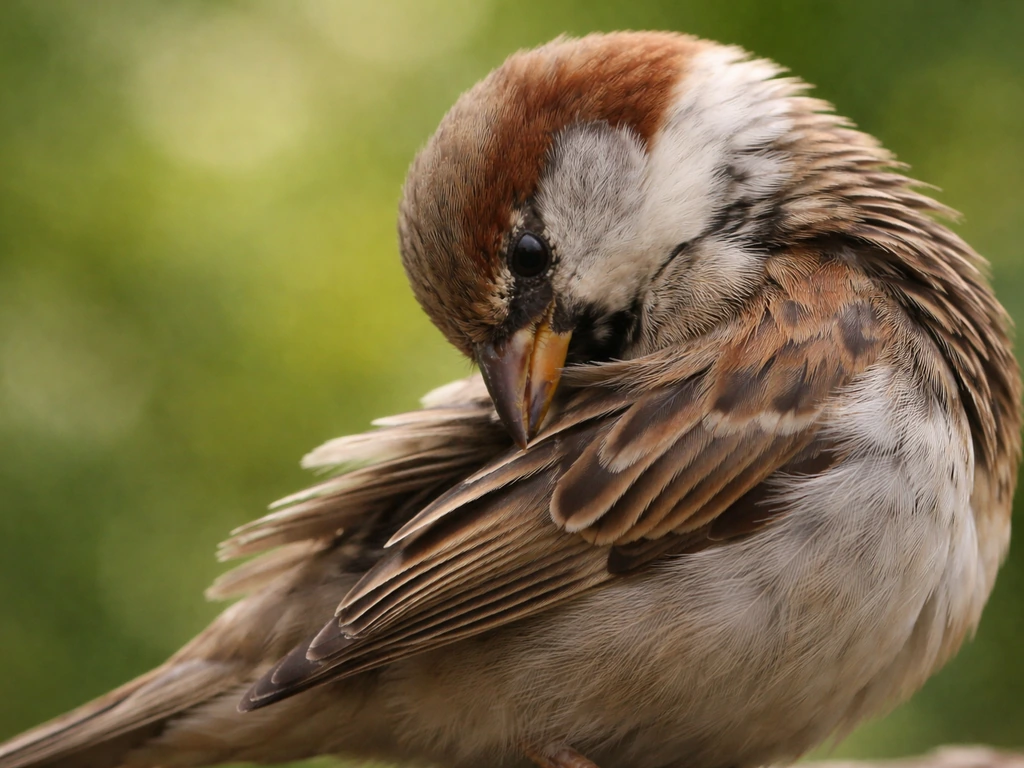
The most likely answer is PECK (4 letters). That's the go-to crossword solution for "what a bird does with its beak," and it's confirmed as the answer for LinkedIn Crossclimb 534 and multiple other puzzle databases. If your grid doesn't fit 4 letters, the next candidates are PICK (4 letters, same shape) and PREEN (5 letters, used when the clue hints at grooming or feather care).
What a Bird Does With Its Beak Crossword Clue Answer

James Ridgley
31 May 2026
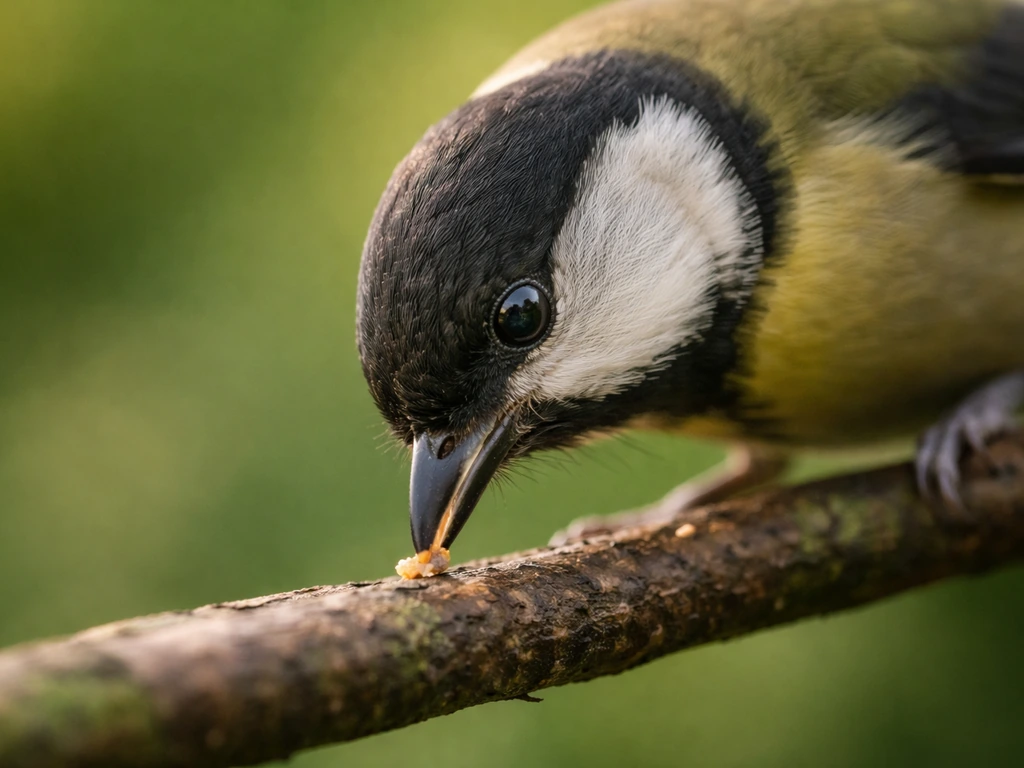
Try Hard Guides also gives PREEN as the 5-letter answer for the clue “Groom,” citing it as the most recent answer for a specific date/puzzle PREEN (5 letters, used when the clue hints at grooming or feather care). Start with PECK, check it against your crossing letters, and you'll almost certainly be done.
Typical crossword answers for this clue
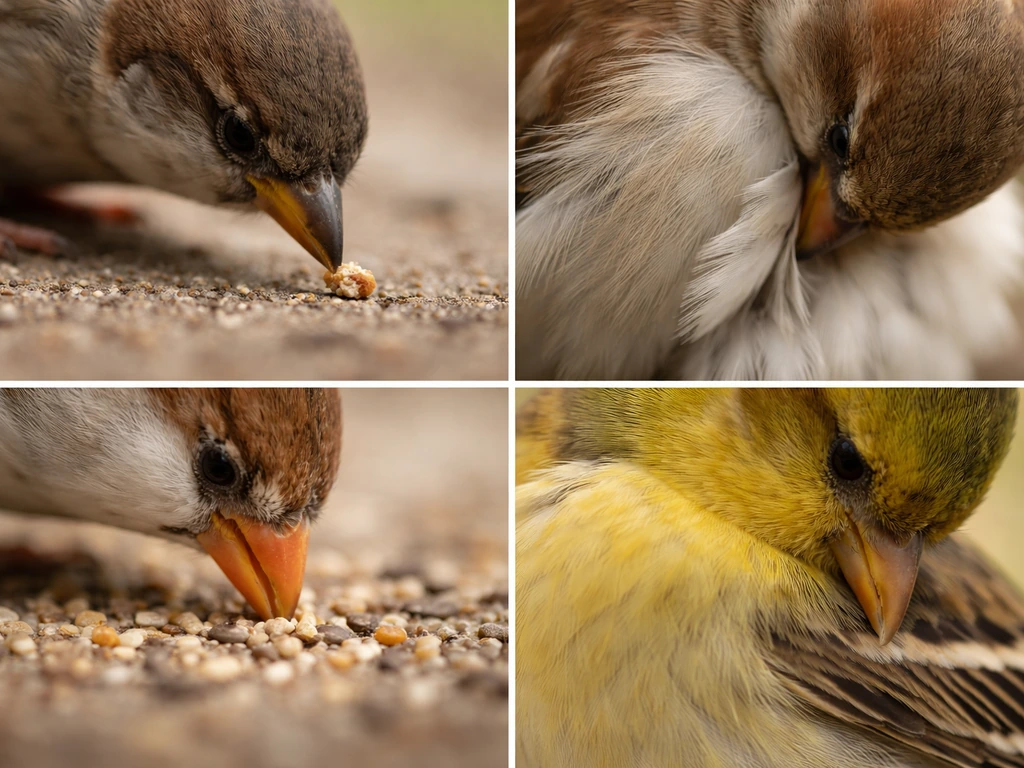
Crossword constructors keep coming back to a handful of beak-action verbs. Each one maps to a slightly different behavior, but they share a common thread: they all describe something a bird does using its bill. Here are the ones that appear most often in published puzzles.
| Answer | Letter count | Core meaning | When it shows up |
|---|---|---|---|
| PECK | 4 | Strike, bite, or pick up small items with the beak | General beak-action clues; most common default |
| PICK | 4 | Peck at, as a bird with its beak (near-synonym of peck) | Clues worded around selecting or nibbling |
| PREEN | 5 | Tidy or groom feathers using the beak | Clues mentioning grooming, feathers, or a bill |
| PECKED | 6 | Past tense of peck | Clues in past tense: 'what the bird did with its beak' |
| PECKING | 7 | Present participle of peck | Clues using '-ing' grammar or 'is doing' phrasing |
blank" rel="noopener noreferrer">PECK is the default. If the clue says nothing about grooming or feather care, start there every time.
How to use clue wording to choose the right beak action
The specific wording of a crossword clue is almost always a signal about which answer fits. "What a bird does with its beak" is a plain, present-tense clue with no grooming context, so it points squarely at PECK. But small changes in phrasing shift the answer significantly.
- "What a bird does with its beak" or "bird beak action" with no other qualifier: answer is almost always PECK.
- "Groom" or "groom with a bill" or "tidy feathers": the answer is PREEN, not PECK.
- "Peck at, as a bird" or clues that use the word 'pick': PICK becomes a valid alternative to PECK.
- Clue uses past tense phrasing ("what the robin did to the seed"): look at PECKED (6 letters).
- Clue includes a gerund or '-ing' construction: try PECKING (7 letters).
- "Clean with the beak, as a bird" or anything mentioning feather oil or maintenance: that's PREEN territory.
The phrase "with its beak" at the end of a clue is the constructor telling you the action is mechanical, not grooming-based. That phrasing almost never leads to PREEN. If you see "groom" or "feathers" anywhere in the clue, switch lanes immediately.
Letter-count and pattern narrowing (quick solve method)
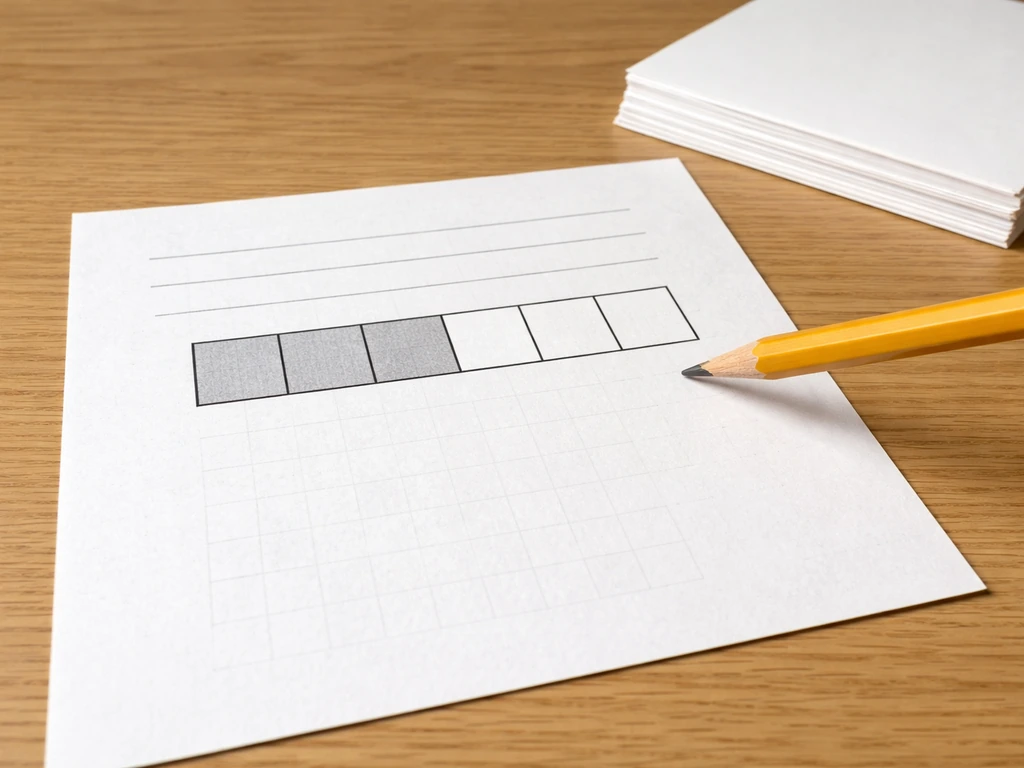
Before you guess any answer, count the squares. That single step eliminates most of the confusion between candidates that otherwise look similar.
- Count the blank squares in the answer slot. Write the number down.
- Match to the candidates: 4 letters = PECK or PICK; 5 letters = PREEN; 6 letters = PECKED; 7 letters = PECKING.
- Check any letters already filled in from crossing answers. If the first letter is P and the third is E, PECK fits perfectly (P-E-C-K). If the second letter is R, PREEN becomes your target.
- If you have a confirmed crossing letter that contradicts your top pick, move to the next candidate on the list rather than forcing a wrong answer.
- Still stuck? Re-read the clue for grooming language. If it's purely about striking or eating, stay with PECK. If feathers or tidying appear anywhere, shift to PREEN.
For the specific clue "what a bird does with its beak" in a 4-letter slot, the pattern is P _ C K. If crossing letters give you the C in position 3, you can fill PECK with confidence and move on.
Most common beak behaviors mapped to the exact crossword verbs
Birds use their beaks for more than one thing, but crossword puzzles collapse that complexity into a short list of high-frequency verbs. Here's how real bird behaviors translate into the words that actually appear in grids.
| Bird behavior | What it looks like | Crossword verb | Letters |
|---|---|---|---|
| Striking food or a surface | Woodpecker drilling bark, robin hitting a worm | PECK | 4 |
| Picking up small seeds or crumbs | Sparrow dabbing at scattered seed | PECK or PICK | 4 |
| Nibbling or picking at food | Finch working a seed | PICK | 4 |
| Feather grooming and oil spreading | Parrot running its bill through wing feathers | PREEN | 5 |
| Past striking action | Any bird that already hit something | PECKED | 6 |
| Ongoing striking action | Bird currently tapping at a surface | PECKING | 7 |
The reason PECK is so dominant in puzzles is that its dictionary definition covers both "strike or bite" and "pick up something small," giving constructors a flexible, general-purpose clue. blank" rel="noopener noreferrer">Cambridge and Dictionary.com both list these meanings under the same entry, which is exactly why a generic beak-action clue almost always resolves to that word.
Spelling and pronunciation gotchas for beak-action entries
These words look simple, but a few common mistakes trip solvers up when they're filling in letters or second-guessing themselves.
PECK vs PICK
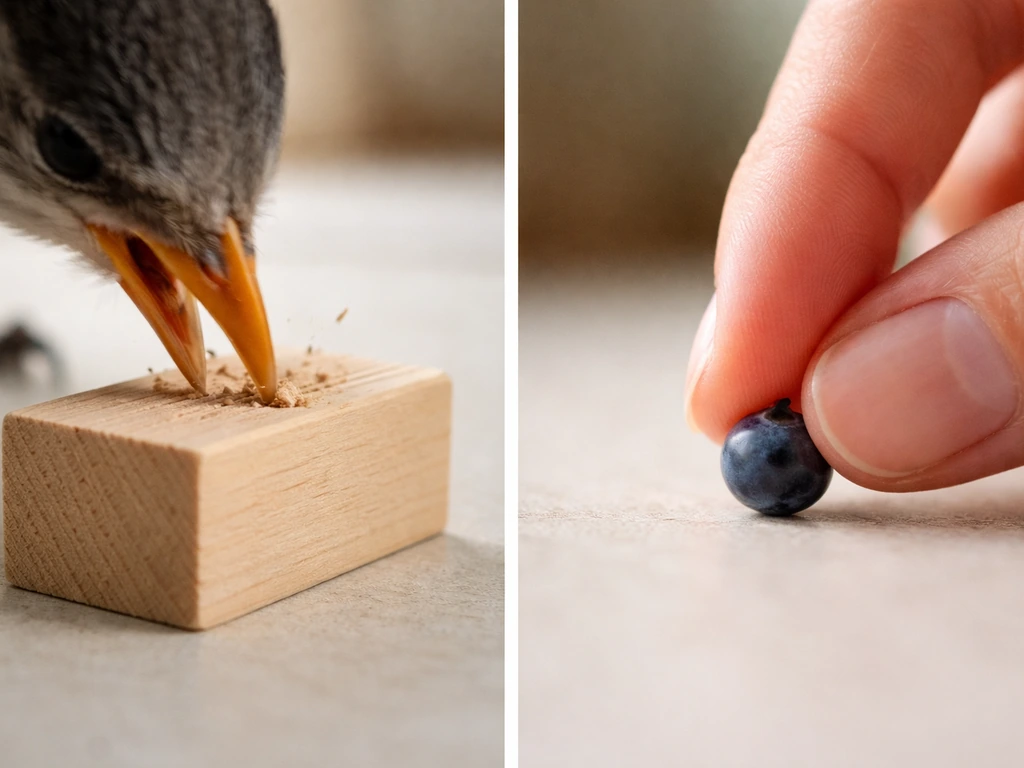
These are the biggest source of confusion. PECK (rhymes with "deck," pronounced /pɛk/) means to strike or bite with a beak. PICK (rhymes with "sick," pronounced /pɪk/) means to select or nibble, and in bird contexts it carries the meaning "to peck at, as a bird with its beak." The vowel is the difference: E in PECK, I in PICK. In a crossword grid, position 2 of the answer is where this distinction lives. If you have a crossing answer that puts E in that slot, write PECK. If the crossing gives you I, write PICK.
PREEN spelling
PREEN is spelled with two E's in the middle (P-R-E-E-N), which solvers occasionally collapse to PREN. It's pronounced /priːn/ (rhymes with "green" or "keen"). The double-E is non-negotiable: one E gives you a word that doesn't exist. If your grid has 5 letters and you're in grooming territory, commit to both E's.
Inflected forms
Crossword clues sometimes use a tense that signals a specific inflection. Merriam-Webster and Oxford both list PECKED and PECKING as standard forms. PECKED is double-consonant territory (P-E-C-K-E-D, 6 letters), and PECKING adds three letters to the base (P-E-C-K-I-N-G, 7 letters). Neither form changes the root spelling, so if you can spell PECK, the inflections are straightforward. The only common error is adding an extra K (PECKKED), which never appears in any standard dictionary.
Check-and-confirm: validating your candidate answer
Once you have a candidate, run through this short confirmation routine before committing it to the grid.
- Recount the squares. Make sure your answer word has the exact same number of letters as the blank entry. PECK = 4, PREEN = 5, PECKED = 6, PECKING = 7.
- Check every crossing letter. Each intersecting answer should still work with your chosen word in place. If even one crossing letter contradicts your answer, it's wrong regardless of how confident you feel.
- Match the clue grammar. A present-tense clue ('what a bird does') wants a base-form verb like PECK or PREEN, not PECKED or PECKING. Tense mismatch is a disqualifier.
- Ask whether the clue mentions grooming, feathers, tidying, or a bill used for cleaning. If yes, your answer should be PREEN. If the clue is purely about striking, eating, or a generic beak action, stay with PECK.
- If two candidates both fit the letter count and crossing letters, go with the more common crossword answer. PECK outranks PICK in puzzle frequency for generic beak-action clues.
If you've matched letter count, confirmed every crossing letter, and the clue grammar aligns, you're done. For the clue "what a bird does with its beak" in a 4-letter slot, PECK has been confirmed as the correct answer in multiple published puzzles including LinkedIn Crossclimb 534. If the clue places you in blank" rel="noopener noreferrer">grooming or feather-care territory, Crossword Leak lists PREEN as the solution for "bird's bill or beak" style clues. If you're working on a rival bird is not on time crossword clue, the same logic for picking the correct beak action applies. Fill it in and move on.
One last thing worth noting: if you enjoy this style of bird-language puzzle solving, similar clues show up in the same family of crosswords. If you're also hunting for the crossword answer suggested by kylo whose surname sounds like a bird crossword, the same bird-action reasoning can help you narrow it down quickly. Clues like "where a bird rests," "clean up as a bird does," or "rival bird is not on time" follow the same logic: the answer is usually a clean, common English word drawn directly from bird behavior or bird-adjacent vocabulary. The same letter-count and grammar-matching method works across all of them.
FAQ
If the clue does not fit PECK, could PICK still be correct? Which letter would confirm it?
Yes. The most common secondary answer pattern is PICK, especially if your crossings force an I in position 2. It is effectively “to peck at” in bird-related contexts, so it can fit the same general theme while differing by one vowel.
What should I do if I only have one or two crossing letters for this beak-action clue?
If your slot is 4 letters but you are missing a key crossing that distinguishes PECK from PICK, use the most constrained crossing you do have. In many grids, position 2 (third letter overall) is the difference point. If it is E, write PECK. If it is I, write PICK.
When would PREEN be used for “what a bird does with its beak”?
For this exact clue wording, PREEN is usually only plausible when the clue strongly signals grooming or feather care. If your grid is 4 letters, PREEN is also impossible by length, so PECK or PICK are the only practical options.
How can I tell if a clue is asking for an inflected form like PECKED or PECKING instead of the base word?
Watch for clue phrasing that hints at the verb form rather than the action itself. PECKED (6) and PECKING (7) can appear in related clues, but they keep the core spelling PECK, meaning you should not change the double-consonant structure when adding E D or I N G.
What is the biggest mistake solvers make with beak-action clues like this one?
A common grid mistake is assuming “beak action” always means cleaning. If the clue includes words like groom, feathers, or cleaning, switch to PREEN. Without that grooming language, stay with the generic mechanical action verb, PECK being the default for short answers.
What if my answer length is not 4 letters, but the clue looks like the same idea?
If your grid length is not 4, do not force PECK. The clue family often uses other lengths, so first filter by letter count, then match the crossings. For example, 5-letter slots in this theme often align with PREEN when grooming words appear.
I have a candidate that matches most crossings, how do I decide whether to commit or re-evaluate?
Use the “confirmation routine” more strictly than usual. Confirm all crossing letters, then recheck the clue grammar for hidden grooming terms. If every crossing matches but the clue includes cleaning language, revisit PREEN. If the clue is plain “with its beak,” revisit PECK/PICK instead.
Next Article
Clean up as a bird does crossword clue answer guide
Solve clue clean up as a bird does with likely answers, letter counts, spelling traps, and verification tips.