Chise does not mean 'bird.' It is a Japanese given name whose meaning depends entirely on which kanji characters are used to write it, and none of the standard kanji combinations for Chise translate to 'bird.' The most common meanings are 'thousand rapids' (千瀬) or 'wisdom/intellect across generations' (智世), depending on the writer's choice of characters. The bird connection that many people stumble across comes from a completely different source: the surname of the fictional character Chise Hatori, where the family name Hatori contains kanji linked to wing and bird imagery. The first name Chise itself carries no bird meaning in any well-documented source.
Chise Name Meaning Bird: Origin, Pronunciation, and Check

James Ridgley
4 May 2026
What 'Chise' actually refers to
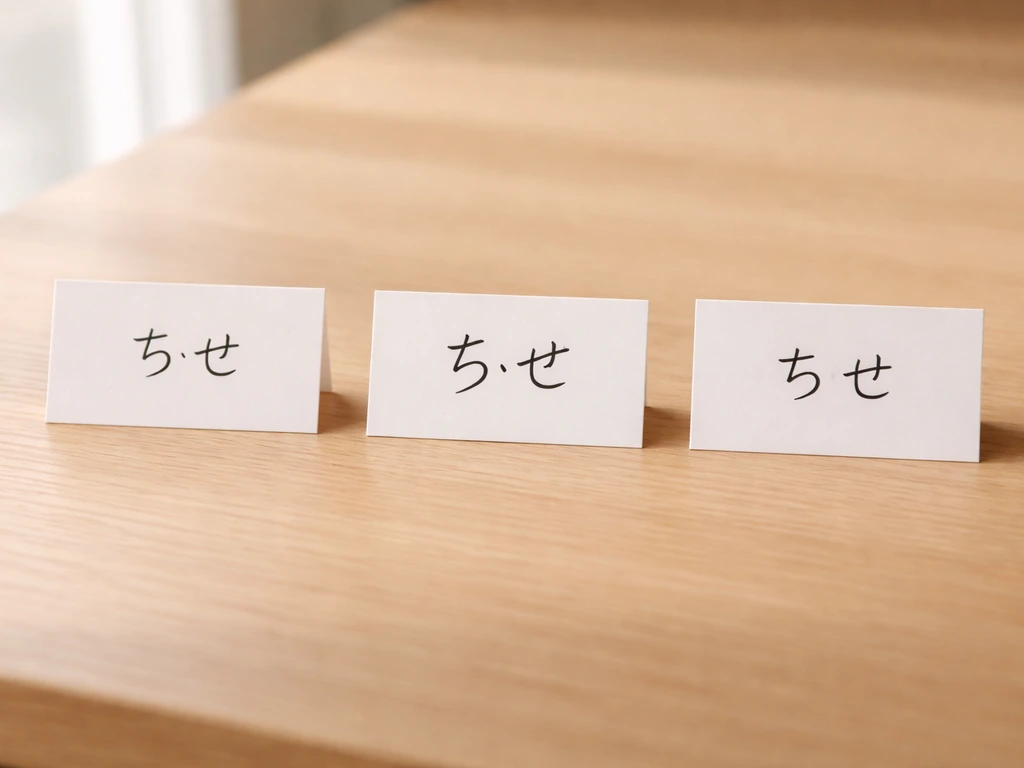
Chise operates in at least three distinct contexts, and it helps to know which one you're dealing with before chasing any bird meaning.
- Given name: The most common use today. Chise is a Japanese female given name, appearing in name directories like Names.org and RandomNames as a feminine first name with Japanese origin.
- Surname: Ancestry's records list Chise as a family name found in the USA, UK, Canada, and Scotland. As a surname it carries no specific meaning tied to the kanji system the way a Japanese given name would.
- Geographical feature: German-language Wikipedia has a dedicated entry for a river called the Chise, showing the word exists as a place name completely independent of Japanese naming conventions.
- Historical English word: Wiktionary records 'chise' as a Middle English variant spelling of 'chese,' an older form of the word 'cheese.' This has nothing to do with birds or Japanese names.
So when someone searches 'Chise name meaning bird,' they are most likely looking for information about the Japanese given name and wondering whether it links etymologically to a bird. The short answer is no, but the confusion is understandable and worth unpacking properly.
Possible bird associations for Chise
There is no documented ornithological use of 'Chise' as a bird name, common name, or species label in English or Japanese. So if you are wondering what the Chise bird is called in English, the answer is that there is no established English bird name tied to Chise There is no documented ornithological use of Chise as a bird name. It does not appear in bird field guides or ornithology databases as a taxon, and it does not derive from the Greek or Latin roots that typically build scientific bird names.
The bird association that circulates online almost always traces back to the anime and manga series The Ancient Magus' Bride, whose protagonist is named Chise Hatori. TV Tropes and fan wikis note that the kanji in the surname Hatori (羽鳥) contain characters meaning 'wing' (羽, ha) and 'bird' (鳥, tori).
The kanji in Chise Hatori's surname Hatori (羽鳥) are explained as including “bird” (鳥) and “wing/feather” (羽), which is the source of the bird symbolism people associate with the name kanji in the surname Hatori (羽鳥) include “bird” (鳥) and “wing/feather” (羽). That bird symbolism belongs to the family name, not to Chise.
The given name Chise uses entirely different kanji with entirely different meanings. It is a very common mistake to transfer the bird symbolism of the surname onto the first name simply because they appear together.
If you are searching for a Japanese bird name or a name that truly means bird, the relevant Japanese vocabulary is 'tori' (鳥) for bird in general, or specific species names like 'karasu' (crow), 'tsuru' (crane), or 'suzume' (sparrow). In English, the common name you are probably looking for is based on the specific species, like crow, crane, or sparrow, rather than “Chise. ”. Chise is not in that category.
Similarly, if you're exploring bird names from other languages, the same principle applies: a name like Chise would need a documented link to a specific avian word or species to qualify, and none exists here. If you mainly came here because you want the bird name in English, you will usually find the right terms by looking up the specific Japanese word for bird, like tori, or the English species name itself what is bird name in english.
Related searches about what regional or linguistic bird names mean in English follow a similar verification process. If you're trying to figure out what bird the name Chise is associated with in English, remember that a true bird name usually traces to specific words like 'tori' (鳥) rather than the given name Chise bird names in English.
Etymology of Chise and what it means in different languages
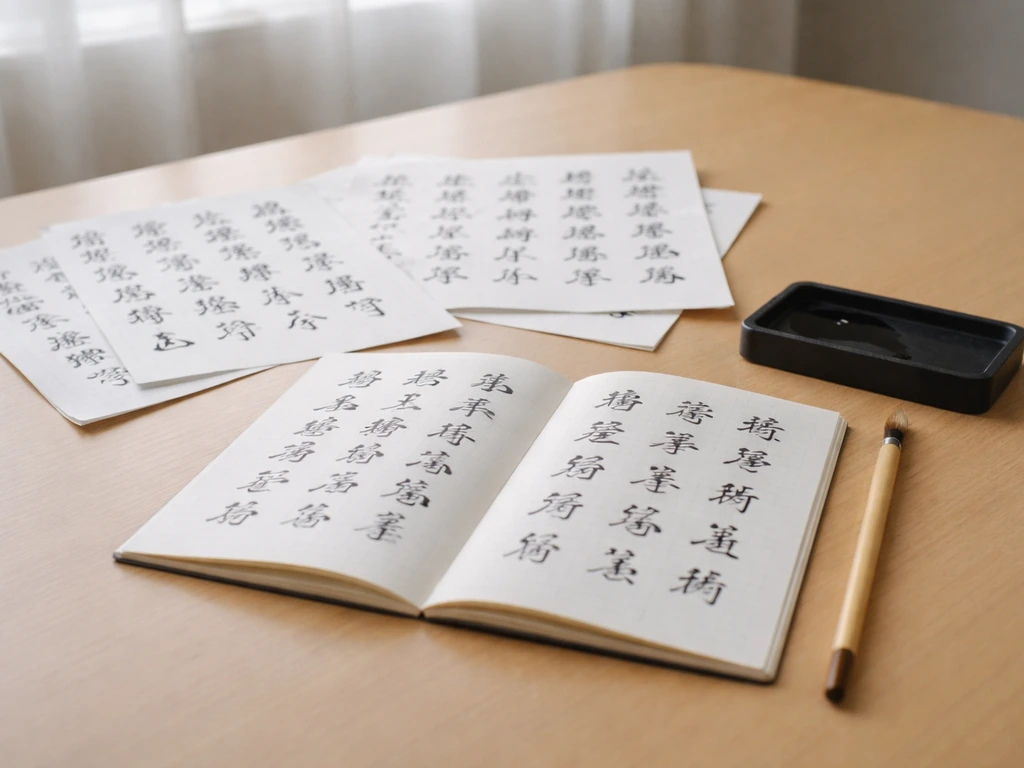
In Japanese, the meaning of Chise is not fixed because Japanese names written in romaji (the Latin alphabet) can correspond to multiple kanji combinations, each with a different meaning. The kanji the parents choose at birth determine what the name actually means. Here are the most well-documented combinations:
| Kanji | Romanization | Meaning | Source context |
|---|---|---|---|
| 千瀬 | Chise | Thousand rapids / swift current | Most cited combination in name directories |
| 智世 | Chise | Wisdom across generations / the wise generation | Used in The Ancient Magus' Bride character profile |
| 千星 | Chise | Thousand stars (less common variant) | Appears in some pet-name and baby-name sites |
Outside of Japanese, Chise does not carry a consistent meaning in other languages. A bilingual dictionary site maps it into Urdu as a general lexical item, but that is a phonetic transliteration rather than a true etymological connection. In Middle English, 'chise' is simply an archaic spelling of 'cheese,' unrelated to any name. In Wiktionary, “chise” is listed as an alternative form of “chese” (Middle English). In German, it is a river name with no established etymological link to bird vocabulary. None of these cross-linguistic appearances introduce a bird meaning.
Pronunciation, spelling variants, and how to say it
In Japanese, Chise is pronounced roughly as CHEE-seh, with two clean syllables. The 'chi' sounds like the 'chee' in 'cheese,' and the 'se' sounds like 'seh' (rhyming with 'say' but shorter and flatter). IPA: /tɕi.se/. English speakers often mispronounce it as one syllable or add a long 'z' sound in the middle, turning it into something like 'sheeze' or 'chize,' which is not correct.
Spelling variants appear mainly because of romanization inconsistencies. Without diacritics or kanji to anchor the spelling, the name can show up in documents as Chise, Chisé, or even Chisé in French-influenced transcriptions. Some English speakers also confuse it visually with Cochise (the Apache leader's name), which is a completely different word with a different origin and pronunciation (koh-CHEES). That visual similarity occasionally fuels incorrect bird associations based on spelling alone rather than shared etymology.
- Correct Japanese pronunciation: CHEE-seh (two syllables)
- IPA: /tɕi.se/
- Common English mispronunciations to avoid: 'chize,' 'sheeze,' 'chiss'
- Spelling variants: Chise, Chisé, Chi-se (hyphenated in some romanization guides)
- Do not confuse with: Cochise (Apache name, unrelated origin)
How the 'bird' meaning shifts depending on context

This is the part that clears up most of the confusion. The word 'bird' connects to Chise differently depending on which context you are working in, and in most contexts it does not connect at all.
- As a given name: Chise has no bird meaning. Meaning is kanji-dependent, and standard kanji choices point to concepts like 'thousand,' 'rapids,' 'wisdom,' or 'generations.' A parent could theoretically choose kanji that include bird-related characters, but that would be unusual and non-standard.
- As a surname: The surname Chise carries no documented bird meaning either. Ancestral surname records treat it as a family name with no specific kanji etymology attached in the Latin-alphabet records.
- As a fictional character name: This is the main source of bird confusion. Chise Hatori's surname Hatori (羽鳥) means 'wing-bird,' and fan discussions about the character's name naturally combine both names. Readers then assume the bird meaning applies to Chise, not Hatori.
- As a pet name: Online pet-naming sites use Chise as a Japanese-inspired name meaning things like 'little star' or 'wise,' not 'bird.' If you are naming a pet bird and want a Japanese-origin name that actually relates to birds, you would look at words like Tori, Hane (feather), or Tsuru (crane).
- As an etymological root: There is no documented linguistic root 'chise' that means 'bird' in Japanese, Ainu, or any other language commonly associated with this spelling.
The pattern here mirrors what you find when researching other translated bird names across languages: the meaning lives in the kanji or the original-language root, not in the romanized spelling. A romanized string like 'Chise' on its own tells you almost nothing about meaning without knowing which writing system and which specific characters produced it.
How to verify the meaning fast
If you want to confirm any of this yourself or dig deeper into a specific Chise you've encountered (a person's name, a character, a place), here is a practical checklist you can run through today.
- Check the kanji first: If you have the name written in Japanese characters, not just romaji, look up each kanji individually on Jisho.org (a free Japanese-English dictionary). Search the kanji, check its primary meanings, and you will know exactly what that version of Chise means.
- Use a Japanese name database: JapaneseNames.info and similar databases list common kanji combinations for popular Japanese given names. Search 'Chise' and you will see the documented kanji options and their meanings side by side.
- Cross-check name directories: Names.org and BabyNamesCube both have Chise entries with meaning explanations. They agree on the non-bird etymology and give you the most commonly cited kanji pairs.
- Search ornithology databases for the bird connection: If you suspect Chise is tied to a specific bird species, check the Cornell Lab of Ornithology's Birds of the World database or the IOC World Bird List. Search 'Chise' as a species name or common name. You will find no results, which confirms there is no ornithological use of the term.
- Verify fictional-name claims separately: If the bird meaning came from an anime, manga, or game, check the specific character's full name on the relevant wiki. Confirm which part of the name (given name vs. surname) carries the bird meaning. For Chise Hatori, the bird kanji are in Hatori, not Chise.
- Use Wiktionary for the English/historical angle: Search 'chise' on Wiktionary to confirm the Middle English 'cheese' connection and rule out any bird-related English etymology.
Running through even three of these steps will give you a definitive answer for any specific Chise you're researching. The key principle is always to trace the meaning back to the original characters or documented roots, not to rely on romanized spellings or secondhand claim lists on generic name websites.
FAQ
If Chise is a Japanese given name, can any kanji combination still make it mean “bird” ?
No well-documented Chise kanji set translates to “bird.” Even though Japanese names can include 鳥 (tori, bird) in some names, you only get that meaning if the parents specifically choose that character in the given name’s kanji, and the standard Chise combinations linked to the name do not do that.
Where exactly does the “bird” idea come from, if not from the first name Chise?
In The Ancient Magus’ Bride, the bird imagery is tied to the surname Hatori (羽鳥), not the given name Chise. People often see the kanji together (or only remember the anime name in romaji) and assume the bird symbolism belongs to both parts.
What should I do if I only see “Chise” in roman letters on a character page or a certificate, with no kanji shown?
Treat the meaning as unknown until you identify the exact writing. Ask for the kanji, check whether the source is using a standardized romanization, and if you are researching a real person, confirm the kanji via official profiles or published materials, since romanization alone cannot tell you the meaning.
How can I tell whether I’m looking at Chise the given name or Chise used in a different context (like a surname or place)?
Look at the formatting and ordering. Japanese profiles often list family name first, and if you see Chise positioned like a family name or paired with known surname patterns, you may be dealing with a different name element than the given name Chise. When in doubt, trace the kanji labels or consult the original-language text.
Why do pronunciation spellings online sometimes differ, even when the name looks the same?
Romanization and localization conventions vary. The name is pronounced roughly two syllables (CHEE-seh, IPA /tɕi.se/), but some sites compress it or add extra consonant sounds because they map Japanese phonetics onto English spelling rules, which can distort timing and vowels.
Could “Chise” be related to the English word “cheese,” and does that affect the name meaning?
It does not, in the sense of Japanese name etymology. In Middle English, “chise” can be an archaic spelling of “cheese,” but that is a separate historical word. It should not be used as evidence that the Japanese given name Chise means anything food-related.
Are there any English bird species I should look up when trying to find the “Chise bird” online?
Usually, none, because there is no established English bird name concept tied to “Chise.” If you still want a bird reference connected to the series, focus on the surname’s symbolism (wing and bird imagery) rather than trying to map “Chise” to a specific species name.
What if the source claims “Chise means bird” but I can’t find kanji on the page?
That claim is likely relying on the popular anime bird symbolism or on a generic name list. Your best next step is to locate the person or character’s kanji spelling, then compare it to the kanji used for the Chise given name. If no kanji is provided, treat the meaning as unverified.
Next Article
What Is Ghar Bird Called in English? Names and ID Guide
Find the English name for the ambiguous ghar bird, with IDs, disambiguation tips, and pronunciation guidance.