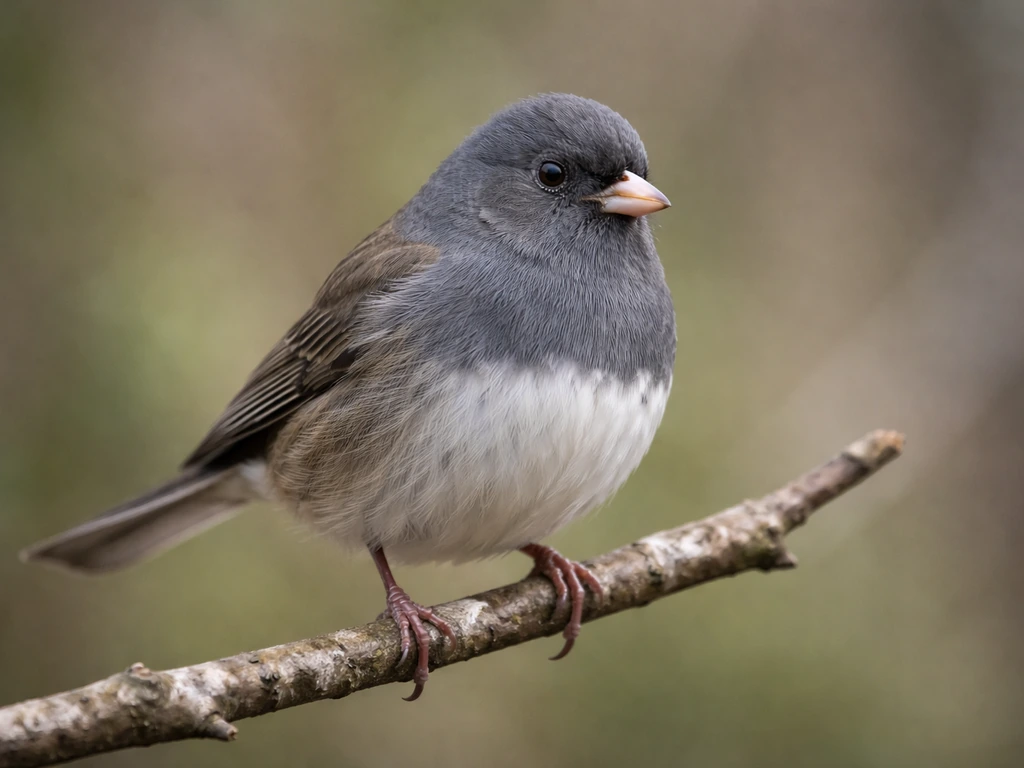
Towhee is pronounced TOH-hee, with the stress on the first syllable. In IPA, that's /ˈtoʊ.hiː/, and the simple syllable breakdown is two clean beats: TOH + hee. That's the mainstream US English form you'll hear from birders, on field-trip recordings, and in every major dictionary. If you've been second-guessing yourself at the trailhead, you can stop: TOH-hee is correct.
How to Pronounce Towhee Bird: IPA, Syllables, and Stress

James Ridgley
15 Apr 2026
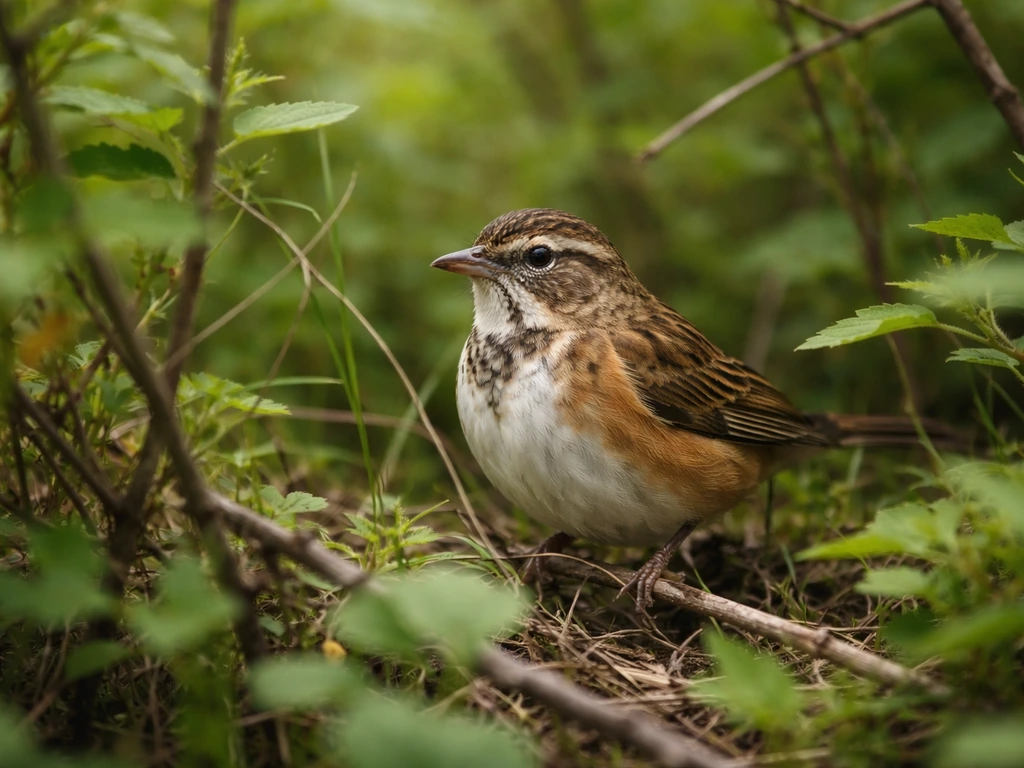
Correct pronunciation: IPA and syllable breakdown
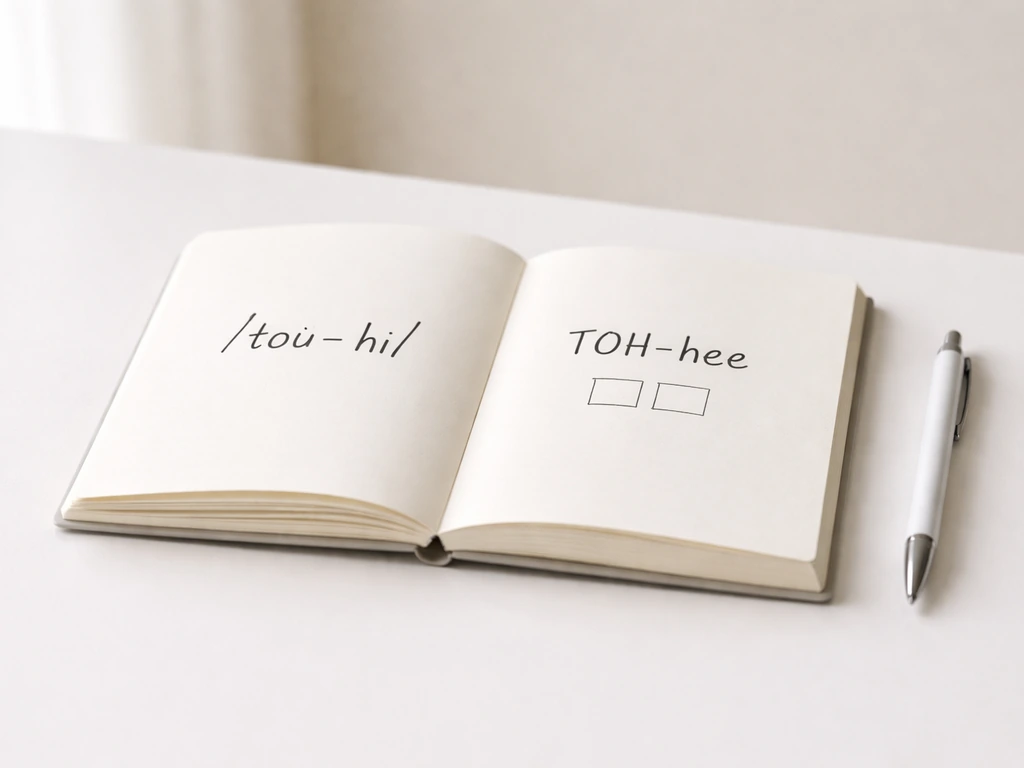
Merriam-Webster lists the pronunciation as /ˈtō-ˌhē/, which translates directly to TOH-hee in plain English respelling. Collins US English gives /ˈtoʊhi/ as its primary form, with /ˈtoʊi/ as an alternate. Both dictionaries agree on the core: first syllable is /toʊ/ (rhymes with "toe" or "go"), second syllable is /hiː/ (rhymes with "see" or "free"). Two syllables, stress on the first, clean and simple.
| Element | Value |
|---|---|
| IPA (primary) | /ˈtoʊ.hiː/ |
| IPA (alternate) | /ˈtoʊ.i/ |
| Syllable breakdown | TOH-hee |
| Syllable count | 2 |
| Stressed syllable | First (TOH-) |
| Rhymes with | "go-see" |
The alternate form /ˈtoʊ.i/ (essentially TOH-ee, with the /h/ softened or dropped) is real and dictionary-listed, but it's the secondary variant. If you use TOH-hee, you will always be understood and never corrected at a bird walk. The /h/ in the second syllable is light, not a hard exhale, so the two variants aren't as far apart as they look on paper.
Why people get it wrong: common mispronunciations
The most frequent mistake is shifting the stress to the second syllable: toh-HEE instead of TOH-hee. This happens for a very specific reason. The name is onomatopoeic, meaning it mimics the bird's call. Historically, that call was heard as a sharp rising note, and one older ornithological text even described the alarm note as delivered "with the accent on the last syllable." Merriam-Webster's word-history note adds that if the name does reflect the call, the original stress was "probably on the second syllable." So toh-HEE isn't a random error; it's a ghost of how the word might have originally been spoken. Modern standard usage, though, has settled firmly on TOH-hee.
A second common mistake is reading the word as three syllables: TOH-wee or TOH-wuh-hee. That comes from seeing the letters W-H-E-E and trying to voice each part separately. The "wh" here isn't a separate sound; the whole second syllable is just "-hee." Think of the word as spelled TOE-HEE and the three-syllable trap disappears immediately.
A third mistake is the reverse: compressing the word into a single stressed blob that sounds like "TOH" with almost nothing after it. Collins' secondary variant /ˈtoʊi/ can encourage this if you read it as collapsing both syllables together. Keep the second syllable distinct, even if it's lighter than the first.
How to stress and say it in real birding sentences
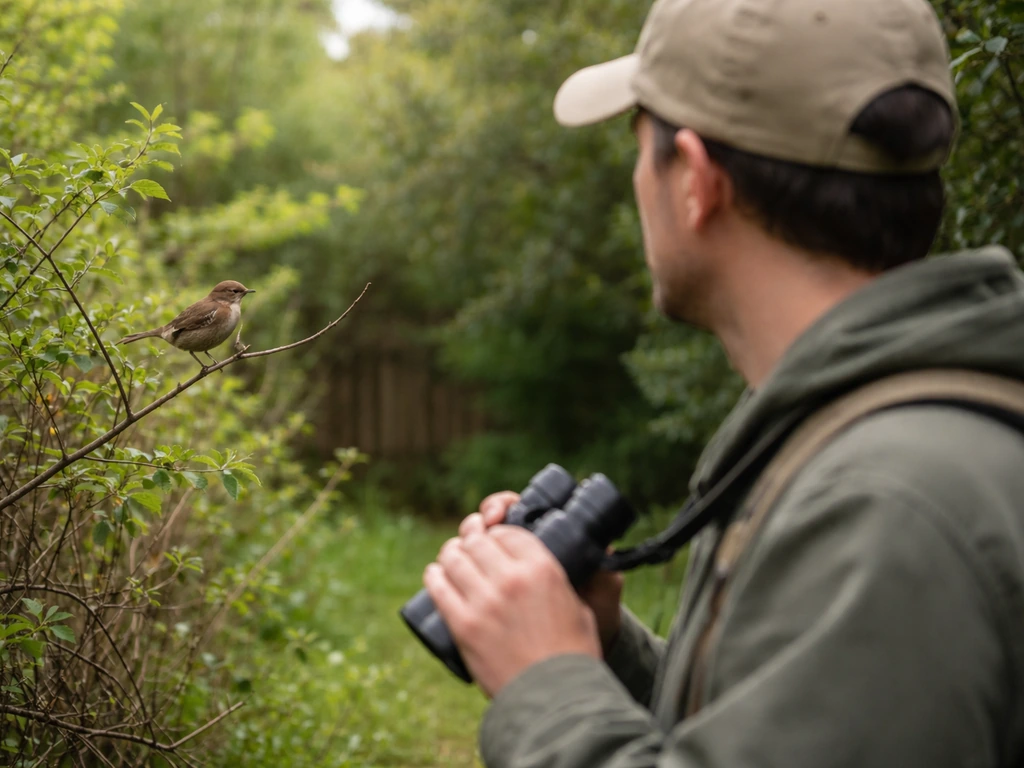
In everyday speech, "towhee" functions as a regular two-syllable noun and sits naturally in standard birding phrases. The stress pattern doesn't change based on context. Here's how it sounds in the kinds of sentences you'd actually say in the field:
- "There's a TOH-hee in the brush over there."
- "I heard an Eastern TOH-hee calling this morning."
- "We spotted two Spotted TOH-hees along the trail."
- "That's definitely a TOH-hee, not a sparrow."
Notice that in "Eastern Towhee" and "Spotted Towhee" (the standardized common names used on the official ABA checklist), the word "Towhee" keeps exactly the same stress: TOH-hee every time. The preceding adjective doesn't pull the stress around. You'll also find that the bird's two-syllable call is itself described as "tow-hee" in birding references, so saying the name out loud actually mirrors the call you're trying to identify.
Cornell Lab's All About Birds describes the Eastern Towhee's vocalization as a "two-parted, rising" call sometimes transcribed as "chewink, tow-hee, or joree", which is a handy mnemonic for keeping the two beats in your head. All About Birds (Cornell Lab of Ornithology) describes the Eastern Towhee’s most common call using the same “two-parted, rising” description, often transcribed as “chewink, tow-hee, or joree. ” [two-parted, rising chewink, tow-hee, or joree](https://www. allaboutbirds.
org/guide/Eastern_Towhee/sounds).
Does your accent change anything?
Slightly, but not enough to matter. The /oʊ/ vowel in the first syllable ("TOH") may shift in some regional accents: speakers with a Canadian Raising pattern might produce something closer to /tʌʊ/, and some Southern US accents may flatten or lengthen the vowel differently. The second syllable /hiː/ can get reduced in fast speech to a short /hɪ/ or a bare /i/.
Birding discussions confirm that pronunciation varies a bit among birders by region, but the two-syllable TOH-hee framework remains the stable reference point across all mainstream US English contexts. If you're talking to fellow birders in the UK or Australia, the vowel in the first syllable may sound slightly different from their side of the conversation, but the stress pattern and syllable count won't change.
This is worth keeping in mind if you're also working on other tricky bird names. The same kind of vowel variation affects plenty of North American species names. how to pronounce junco bird is a question that comes up in similar birding contexts, and the accent-variation issue plays out in very comparable ways for that name too.
Saying the related names: Eastern, Spotted, and Chewink

Eastern Towhee and Spotted Towhee
These are the two species you're most likely to encounter, and the pronunciation of "Towhee" is identical in both names: EE-stern TOH-hee and SPOT-id TOH-hee. The stress in the full phrase lands on the first syllable of the lead adjective AND on the first syllable of "towhee," so the whole phrase has a natural double-stress rhythm: EE-stern TOH-hee. Neither adjective changes how you say "towhee" itself.
Chewink: the alternate name
"Chewink" is not a separate species but an older regional common name for the Eastern Towhee, and Merriam-Webster's towhee entry explicitly states the bird is "called also chewink." Cornell Lab and the American Bird Conservancy both list chewink, tow-hee, and joree as call-derived names for the same bird, treating them as connected rather than competing. Chewink is pronounced CHOO-wink, with stress on the first syllable: CHOO + wink. The vowel in the first syllable is the same /uː/ sound as in "chew" or "brew." It's listed in both Merriam-Webster and Dictionary.com as a straightforward two-syllable word with no hidden traps.
The historical note about chewink being delivered "with the accent on the last syllable" (referring to the bird's call sound, not the word itself) is what seeded the stress-on-last-syllable confusion for "towhee" mentioned earlier. The actual English word "chewink" keeps its stress on the first syllable when spoken normally.
It's worth noting that questions about bird naming and language can get genuinely interesting at the edges. If you've ever wondered about what are towa bird pronouns, that's a different but related thread of bird-name language that the site also covers. And if unusual bird names are something you enjoy, the pronunciation challenges around how to pronounce kakapo bird offer another interesting case study in names that mislead readers at first glance.
Quick pronunciation reference for related names
| Name | Pronunciation | IPA | Stress |
|---|---|---|---|
| Towhee | TOH-hee | /ˈtoʊ.hiː/ | First syllable |
| Eastern Towhee | EE-stern TOH-hee | /ˈiːstərn ˈtoʊ.hiː/ | EE- and TOH- |
| Spotted Towhee | SPOT-id TOH-hee | /ˈspɒt.ɪd ˈtoʊ.hiː/ | SPOT- and TOH- |
| Chewink | CHOO-wink | /ˈtʃuː.wɪŋk/ | First syllable |
| Joree | JOR-ee | /ˈdʒɔːr.iː/ | First syllable |
How to practice and double-check your pronunciation
The fastest way to lock in TOH-hee is to say it out loud in a full phrase rather than in isolation. "I saw an Eastern Towhee" or "that's a Spotted Towhee" forces the word into natural sentence rhythm and makes the stress pattern feel intuitive rather than mechanical. Do this a few times and the correct version becomes the default.
For audio verification, the Macaulay Library at Cornell hosts recordings labeled "Eastern Towhee" where you can hear the species name used in context by birders and narrators. Listening to those recordings is the single most effective check because you hear real speech, not just a phonetic symbol. The bird's own call (that rising two-note tow-HEE sound) also serves as a built-in mnemonic: the call itself has two parts, just like the name.
If you enjoy building your pronunciation confidence across multiple tricky bird names, a useful companion exercise is working through how to pronounce anhinga bird, which trips up a lot of the same readers who initially stumble over "towhee." Both names have unexpected vowel patterns that reward a quick dictionary check before you commit them to memory.
Bottom line: TOH-hee, stress on the first syllable, two clean beats. That's the pronunciation that matches the mainstream US dictionary standard, fits naturally into birding conversation, and maps directly onto the bird's own rising two-note call. Say it out loud a couple of times, and you'll never second-guess it again.
FAQ
Is TOH-hee still the right stress if I have an accent that changes vowels?
Yes. Even if you pronounce the first vowel slightly differently (for example, /tʌʊ/ in some Canadian-raised accents), the stress should still land on the first syllable, TOH-hee. The “kee” feel comes from the second syllable being long and clear in careful speech.
Should I use the alternate /ˈtoʊ.i/ form, or stick with TOH-hee?
When you mention the bird in writing or a checklist, the safest spoken form is TOH-hee. The variant /ˈtoʊ.i/ is real, but it’s secondary, so field conversations are most consistent with TOH-hee, especially for new birders.
What happens if I accidentally soften or drop the /h/ in the second syllable?
If you say it quickly and drop the light /h/ in the second syllable, people will still understand you as long as you keep two beats (TOH + ee). The key is not to make it one lump like “TOH” with almost nothing after.
How can I remember it without looking at IPA?
You can avoid confusion by thinking “rhymes with toe” for the first syllable and “rhymes with see” for the second. If you only remember one part, remember that the word is two syllables, not three, and the last part is “-hee,” not “-wee.”
Does the pronunciation change when Towhee is said in a long sentence?
In birding, you almost always hear it as two syllables even inside longer sentences. The stress pattern stays the same, but the second syllable may sound shorter in fast speech, so aim for clearly distinct syllables first, then speed up.
Do the stress patterns change in “Eastern Towhee” or “Spotted Towhee”?
Yes, “Eastern Towhee” and “Spotted Towhee” keep the same Towhee stress. The adjectives have their own stresses (EE-stern, SPOT-id), but they do not shift the TOH-hee stress inside the word.
How do I pronounce “towhee” when it’s plural, like “towhees”?
“Towhee” is for the bird name, not a general verb or plural pattern. If you’re saying it about multiple birds, the plural adds an ending sound after the final syllable, but it still starts with TOH-hee as the core (for example, TOH-hee + “z”).
Why do people think it has three syllables, and how do I correct that instantly?
There is no extra syllable for the W-H-E-E sequence. Many people mistakenly map letters to sounds, but here the W-H is just part of spelling, and the sound grouping is simply TOH + hee.
If I’m using an audio recording, what should I listen for to confirm I’m matching the right pronunciation?
For recording labels or “checklist” audio, the pronunciation you want is the mainstream one used by narrators: TOH-hee with first-syllable stress. Use the recording to confirm cadence, since different narrators may vary vowel length slightly but still keep two clear beats.
Next Article
How to Pronounce Junco Bird: Clear Sounds and Practice
Learn how to pronounce junco bird and common junco names with step-by-step syllables, fixes, and practice.