If you're trying to type a bird name connected to Egypt, you're most likely dealing with one of three species: the Egyptian Vulture (Neophron percnopterus), the Egyptian Goose (Alopochen aegyptiaca), or the Egyptian Plover (Pluvianus aegyptius). In English, all three are spelled exactly as just written, with capital E and capital V/G/P. The one that comes up most often in puzzles, word games, and searches is the Egyptian Vulture, but the right answer depends entirely on your context.
How to Type Bird From Egypt: Keyboard and Script Guide

James Ridgley
13 May 2026
If you also need to write the bird name in cursive, use the correct letter shapes for your style and keep the spelling consistent how to write bird in cursive. Here's how to figure out which bird you need, spell it correctly, type it in any script, and verify you've got the right one.
If you meant a different spelling from the one used for these Egyptian bird names, you can look it up using the exact phrase "google how do you spell bird" in your search.
Which bird from Egypt are we actually talking about?
The phrase 'bird from Egypt' doesn't point to a single species. It points to a naming convention: English common names that start with the word 'Egyptian.' Three birds carry that label in mainstream ornithology, and they're quite different from each other. Knowing which one you need before you type anything will save you a lot of confusion.
| Common Name | Scientific Name | Also Known As | Common Context |
|---|---|---|---|
| Egyptian Vulture | Neophron percnopterus | Pharaoh's Chicken, White Scavenger Vulture | Crosswords, birding databases, trivia |
| Egyptian Goose | Alopochen aegyptiaca | Nil goose (informal) | Birding checklists, birdwatching apps |
| Egyptian Plover | Pluvianus aegyptius | Crocodile bird (informal) | Wildlife trivia, scientific references |
The Egyptian Vulture is almost certainly the most famous of the three. It appears in ancient Egyptian hieroglyphs, it's referenced in the Britannica under 'Pharaoh's chicken,' and it's the one that pops up in general knowledge puzzles when the clue reads something like 'Egyptian bird' or 'Pharaoh's bird. If you are also wondering whether “AVA” means bird in some context, it helps to check the specific language or naming system being used does ava mean bird.
' The Egyptian Goose is common in birding apps like eBird (taxon code: egygoo) and shows up on Egypt-focused bird checklists. The Egyptian Plover is listed by the U. S. Fish and Wildlife Service and eBird (taxon code: egyplo1) and sometimes carries the nickname 'crocodile bird' due to its feeding behavior around Nile crocodiles.
It's also worth knowing that common names like these can differ from scientific names and from local Arabic names. eBird Help also notes that eBird manages bird vernacular (common) name lists and how they bridge taxonomic sources, which can affect spelling variants you may encounter common names like these can differ from scientific names and from local Arabic names.
The scientific name (the two-part Latin binomial) is the same worldwide regardless of language or platform. The English common name, however, follows a naming authority. Checklists for birds of Egypt, including the official Egyptian Ornithological Rarities Committee checklist, follow the IOC World Bird Names system, which standardizes exactly how these English names are spelled and capitalized. So 'Egyptian Vulture' with those capital letters is the officially standardized form, not just a casual label.
The exact spelling you need (English and alternates)
Spelling matters more than people expect, especially when you're entering a name into a search field, a bird database, or a puzzle app. Here are the correct English spellings with notes on variants you might encounter.
- Egyptian Vulture (capital E, capital V) — the IOC and eBird standard; also found as 'egyptian vulture' in lowercase in casual use, but databases expect the capitalized form
- Egyptian Goose (capital E, capital G) — standardized by IOC; eBird taxon code egygoo
- Egyptian Plover (capital E, capital P) — standardized by IOC and confirmed by U.S. Fish and Wildlife Service; eBird taxon code egyplo1
- Pharaoh's Chicken — alternate common name for the Egyptian Vulture; appears in Britannica and Wikipedia but not typically used as the searchable name in birding databases
- White Scavenger Vulture — another alternate for the Egyptian Vulture; useful to know if a crossword clue or source uses this phrasing
For search engines and databases, always lead with the capitalized IOC form. eBird, Birds of the World, and the IOC World Bird List search interface all work cleanly with 'Egyptian Vulture,' 'Egyptian Goose,' or 'Egyptian Plover' typed exactly as shown. If you're working on a crossword or word puzzle and the answer length helps narrow it down: Egyptian Vulture is 15 letters (no space counted), Egyptian Goose is 13, and Egyptian Plover is 14.
Typing in Arabic script: keyboard setup and switching

If you need the Arabic name of one of these birds, you'll first need to switch your device to an Arabic keyboard layout. Here's how to do that on each major platform.
Windows 10 and 11
- Open Settings (Win + I), then go to Time & Language, then Language & Region
- Click 'Add a language,' search for Arabic, and select the Arabic variant you want (e.g., Arabic (Egypt) or Arabic (Saudi Arabia) for Modern Standard Arabic)
- Once installed, a language switcher appears in the taskbar (bottom right). Click it or press Windows key + Spacebar to toggle between layouts
- When Arabic is active, your physical keyboard types Arabic characters. Use the on-screen keyboard (search 'osk' in the Start menu) as a reference if your keycaps don't show Arabic letters
macOS
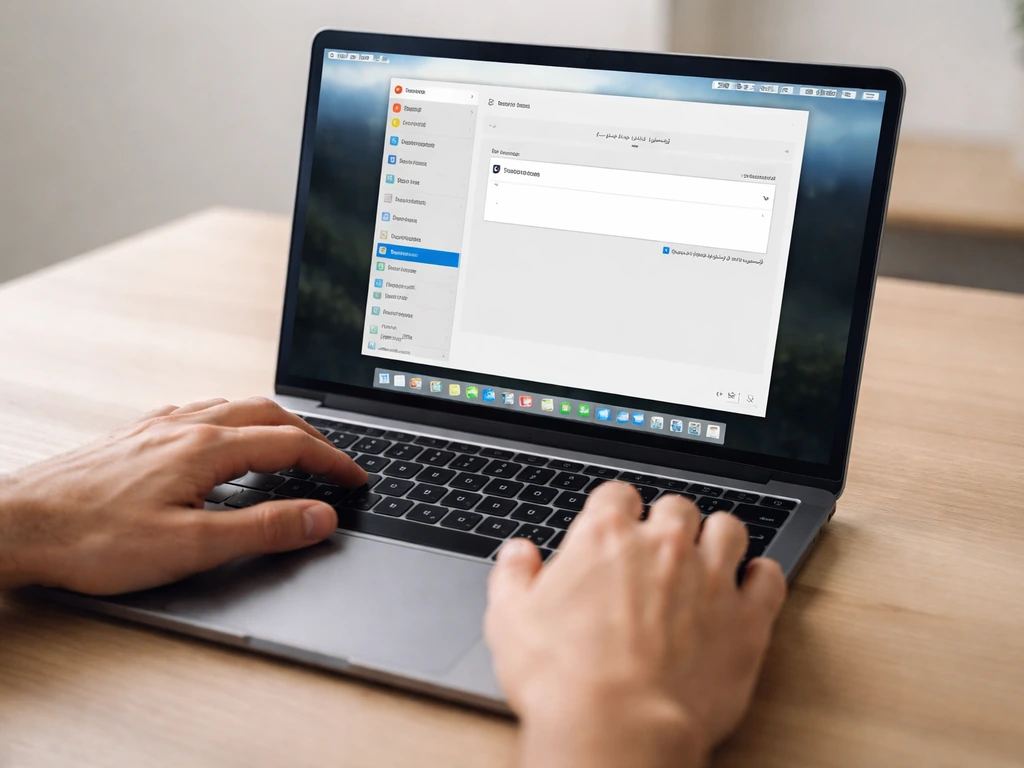
- Go to System Settings (or System Preferences on older macOS), then Keyboard, then Input Sources
- Click the + button, search for Arabic, add it
- Enable 'Show Input menu in menu bar' so you can click the flag icon at the top right to switch layouts
- Use Ctrl + Spacebar (or the menu bar icon) to switch between your default language and Arabic while typing
iPhone and iPad
- Go to Settings, then General, then Keyboard, then Keyboards, then Add New Keyboard
- Select Arabic from the list
- While typing in any app, tap the globe icon on the keyboard (bottom left) to switch to Arabic input
- The Arabic keyboard on iOS is a standard Arabic layout with all common letters easily accessible
Android (Gboard)
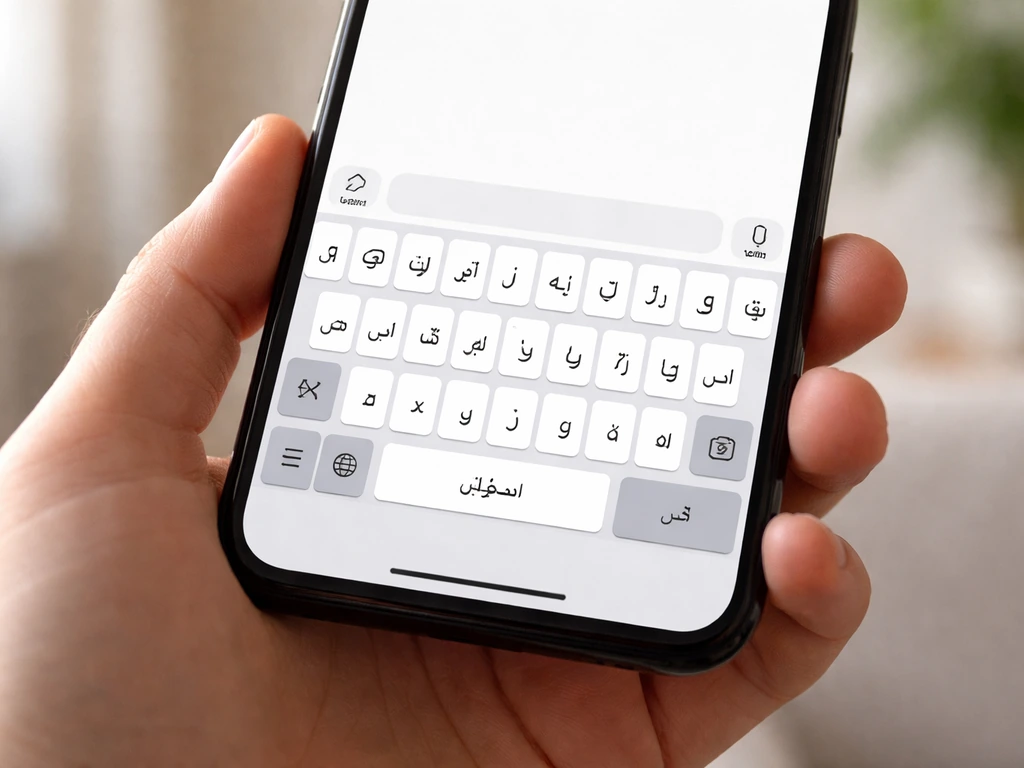
- Open Gboard settings (tap and hold the comma or globe key, then tap the settings gear)
- Tap Languages, then Add Keyboard, and search for Arabic
- Select Arabic and tap Done
- Switch languages while typing by swiping the spacebar left or right, or by tapping the globe icon
Once Arabic input is active, the Egyptian Vulture is written in Arabic as النسر المصري (al-nasr al-masri), which translates roughly as 'the Egyptian eagle/vulture.' The Egyptian Goose is الإوزة المصرية (al-iwazza al-masriyya), and the Egyptian Plover is القطقاط المصري (al-qatqat al-masri). These are the forms you'd use in Arabic-language search fields or reference materials.
Transliteration and diacritics: making your typed name work
Transliteration is converting Arabic script into Latin letters so it can be typed or searched without switching scripts. The problem is there's no single universal system, which means the same Arabic bird name can appear several different ways in Latin text. This matters when you're using a search engine, an academic database, or filling in a puzzle that expects a specific romanized form.
For the Egyptian Vulture (النسر المصري), a simple practical transliteration is 'al-nasr al-masri.' In more technical academic transliteration systems, certain letters get special treatment. The Arabic letter ع (ayn), which appears in words like masri (مصري), is sometimes represented as ʿ (a raised comma, Unicode U+02BF) or ʕ (a reversed apostrophe, Unicode U+0295) depending on the system used. For most search purposes you can skip these special characters entirely and type a plain apostrophe or nothing at all, since search engines handle the ambiguity well.
Hamza (ء or أ or إ), the Arabic glottal stop, causes similar issues. In the word إوزة (goose), the hamza can be transliterated as a straight apostrophe ('), a backtick, or simply omitted in informal use. Again, for practical searching, omitting it or using a straight apostrophe works in most contexts. If you're entering a name into a formal academic database or a citation, use the system that database specifies, such as the ALA-LC or DIN 31635 transliteration standard.
For crossword and word puzzle inputs, diacritics are typically stripped entirely. A puzzle expecting 'Egyptian Vulture' wants exactly those 14 letters (E-G-Y-P-T-I-A-N-V-U-L-T-U-R-E) with no accents, no special characters, and no spaces in the answer slot. No Arabic transliteration will match an English-language puzzle answer unless the puzzle specifically calls for a transliterated form.
Copy-ready versions of the bird names

Here are clean, copy-ready versions of all three bird names in the formats you're most likely to need. Copy directly from these if you're pasting into a search field, database, or document.
| Bird | English (IOC Standard) | Arabic Script | Simple Transliteration |
|---|---|---|---|
| Egyptian Vulture | Egyptian Vulture | النسر المصري | al-nasr al-masri |
| Egyptian Goose | Egyptian Goose | الإوزة المصرية | al-iwazza al-masriyya |
| Egyptian Plover | Egyptian Plover | القطقاط المصري | al-qatqat al-masri |
For scientific names, which are the same in every language and every database: Egyptian Vulture is Neophron percnopterus, Egyptian Goose is Alopochen aegyptiaca, and Egyptian Plover is Pluvianus aegyptius. These are safe to type in any search field when you want zero ambiguity about which species you mean.
How to verify you typed the right bird name
Before you commit to a spelling in a puzzle answer, a document, or a database entry, run a quick check using one of these methods. They take about 30 seconds each and confirm both the spelling and the species identity.
- Search eBird.org: Go to ebird.org and type your bird name into the species search bar. eBird will autocomplete and show you the exact IOC-aligned English name and the scientific name. If your spelling is slightly off, eBird's suggestions will correct it.
- Check the IOC World Bird List: At worldbirdnames.org, use the 'Search for species' input. Type 'Egyptian' and you'll see all species with that word in their English name, with the official spelling confirmed in the results.
- Use the Checklist of the Birds of Egypt: The Egyptian Ornithological Rarities Committee publishes a PDF checklist of Egyptian birds with English names standardized to IOC. Searching 'EORC checklist birds of Egypt' will find it. Cross-check your spelling against its 'English Name' column.
- Try Britannica or Wikipedia as a quick sanity check: Both use the same common names ('Egyptian vulture,' 'Egyptian goose') and link to scientific names, so if the name you typed matches what appears in the article title, you're in the right ballpark.
- For Arabic script verification: Paste your Arabic text into Google Translate and check that it back-translates to the correct English bird name. This catches character substitution errors that are easy to make when switching keyboard layouts.
One common mistake worth watching for: switching keyboard layouts mid-word. When you toggle between English and Arabic on Windows or Mac, it's easy to accidentally type a few characters in the wrong script before noticing. If a search field returns no results for a name you're confident about, select all the text and retype it from scratch after confirming your input language is set correctly. This solves the problem about 80% of the time.
If your context is a word puzzle or crossword and you're unsure which Egyptian bird is expected, the answer length is your best disambiguator. If you just need a bird you can write on, use the copy-ready English names and match the expected spelling and length. Count the squares and match against the letter counts: Egyptian Vulture (14 letters, no space), Egyptian Goose (12 letters), Egyptian Plover (13 letters).
If the puzzle uses a space or hyphen between words, the counts shift accordingly, so check the grid format carefully. On spelling more broadly, the same principle of confirming character by character applies whether you're typing bird names, knowing how to spell bird aviary, or looking up how to spell vulture bird specifically. If you're also asking how to spell bird aviary, make sure you match the exact spacing and capitalization expected by your puzzle or search field.
FAQ
If my search results are empty, how can I tell whether I typed the wrong Egyptian bird or just used the wrong script (English vs Arabic)?
First confirm the keyboard input language, then retype the name from scratch. If the field is in English, try the IOC English form exactly, with correct capitalization, and no hyphens or extra spaces (for example, Egyptian Vulture). If you accidentally typed Arabic characters into an English search box, deleting and retyping usually restores results.
For puzzle apps and crosswords, should I include spaces or hyphens in “Egyptian Vulture,” “Egyptian Goose,” or “Egyptian Plover”?
Normally no. The article’s puzzle guidance applies when the answer slot expects a continuous string with letters only. If the puzzle grid shows two separate word segments, then a space or split may be required, so check whether “Egyptian” and the species word are separate entries in the grid.
How do I match an eBird-style query if I only know the English common name?
Use the standardized English common name exactly as written, including capitalization, then cross-check the species. If your app also supports scientific names, switching to the binomial avoids ambiguity, for example Neophron percnopterus for Egyptian Vulture.
What is the fastest way to disambiguate which “Egyptian bird” a crossword clue wants?
Use the expected character count from the grid as your first filter, then try the remaining one or two. Egyptian Vulture, Egyptian Plover, and Egyptian Goose have distinct letter counts under the article’s no-space convention, so counting squares for each segment can eliminate two options quickly.
When typing Arabic names like النسر المصري, can I use different transliterations and still get the right bird?
For Arabic-language search fields, Arabic script is typically more reliable than romanization because transliteration varies. If you must type Latin letters, stick to the simple transliteration given in the article (for example al-nasr al-masri), and expect that academic sites or puzzle answers may require a specific romanization scheme.
Does “Egyptian Vulture” mean the same thing as “Pharaoh’s chicken” in searches?
Not always in modern search contexts. “Pharaoh’s chicken” is a nickname or reference label, while “Egyptian Vulture” is a standardized common name. If you need consistent database results, search the standardized common name or the scientific name instead.
If I am writing in a formal citation or academic document, what should I do about transliteration choices like ʿ or ʕ for ع, and hamza handling?
Use the transliteration system required by your target database or citation style (the article mentions ALA-LC or DIN 31635 as examples). For casual searching you can omit special symbols, but academic contexts often expect specific characters for correct romanization.
I typed the name with the right letters but wrong capitalization. Will that break everything?
It can. Many bird databases and the IOC-based interfaces are forgiving, but puzzles and some strict search tools may not be. When in doubt, use the exact capitalization pattern shown for the IOC forms: Egyptian Vulture, Egyptian Goose, Egyptian Plover.
How can I avoid mixing up common names and scientific names when I switch between languages or platforms?
Treat the scientific name as the stable key. The common name can vary by language and naming authority, but the binomial stays constant, so if your platform supports it, prefer the scientific name to ensure you are targeting the correct species.
What should I do if my device switches keyboards mid-entry and I notice it only after submitting?
Don’t just edit a few characters. Select all text, recheck the current input language, then retype the entire bird name in one pass. This prevents hidden mixed-script characters that can cause no-result searches or puzzle mismatches.
Next Article
How to Write Bird in Cursive: Letter by Letter Guide
Step by step cursive guide to write bird letter by letter, connect b i r d, practice drills, and fix common mistakes.