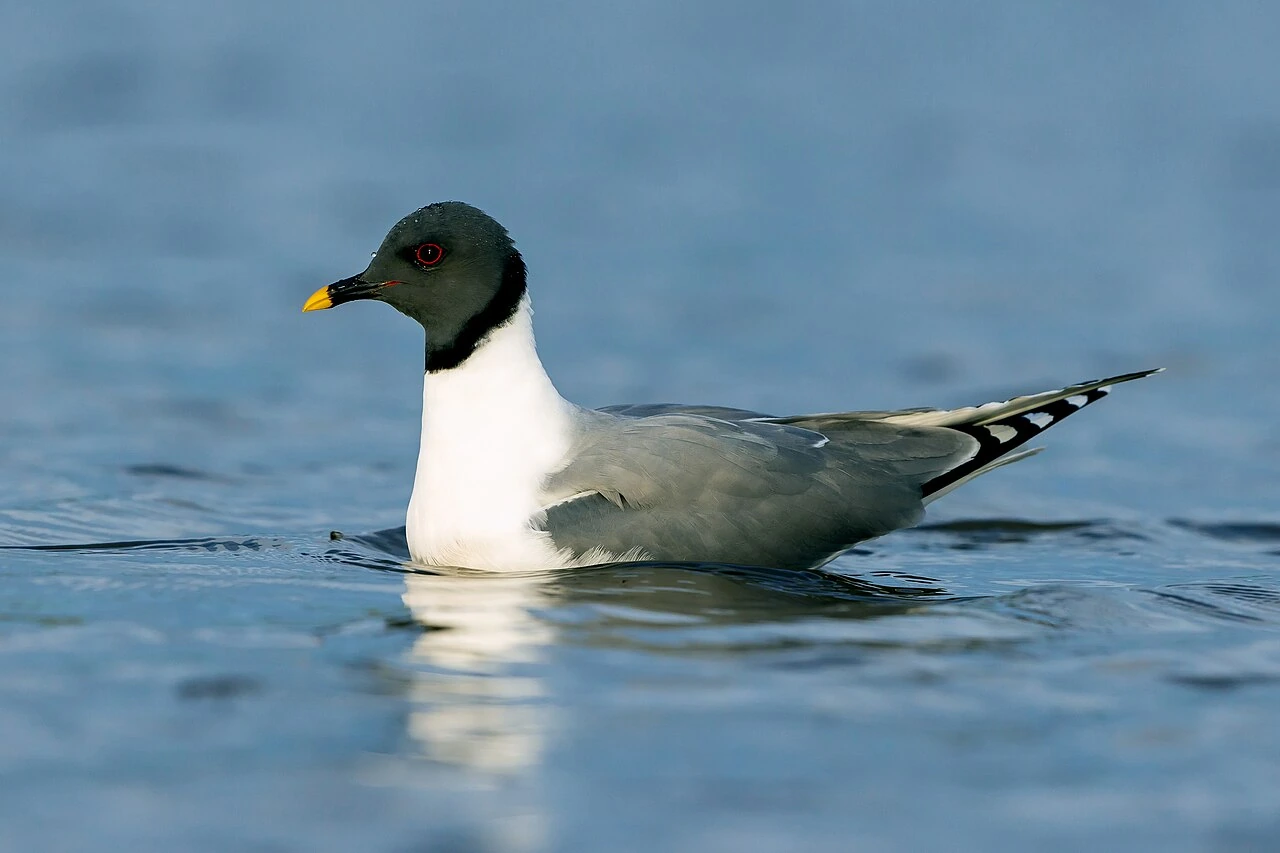
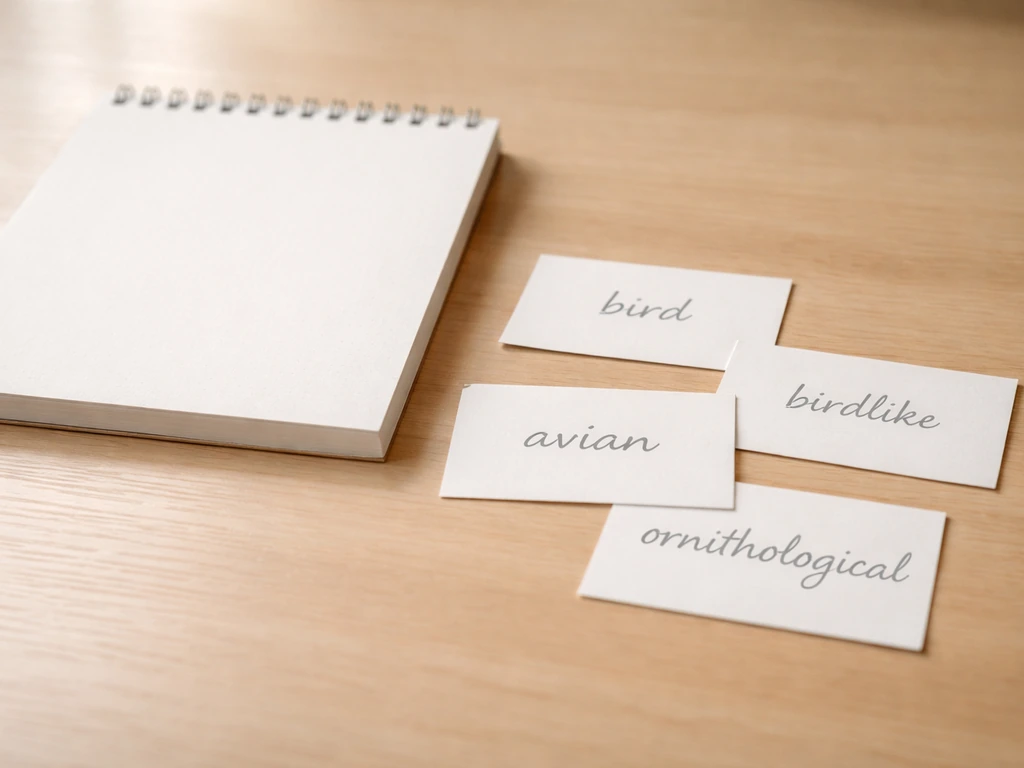
The adjective of 'bird' is simply 'bird' itself, used directly before another noun (a pattern called attributive use). So you get 'bird song,' 'bird feeder,' 'bird species,' and hundreds of similar phrases. If you need a single-word adjective that means 'relating to birds,' the word you want is 'avian.' If you mean 'resembling a bird,' use 'birdlike.' And if you're writing something scientific about the study of birds, 'ornithological' is the right call.
What Is the Adjective of Bird? Bird, Avian, Birdlike Guide

James Ridgley
16 May 2026
Bird as its own adjective: how attributive nouns work
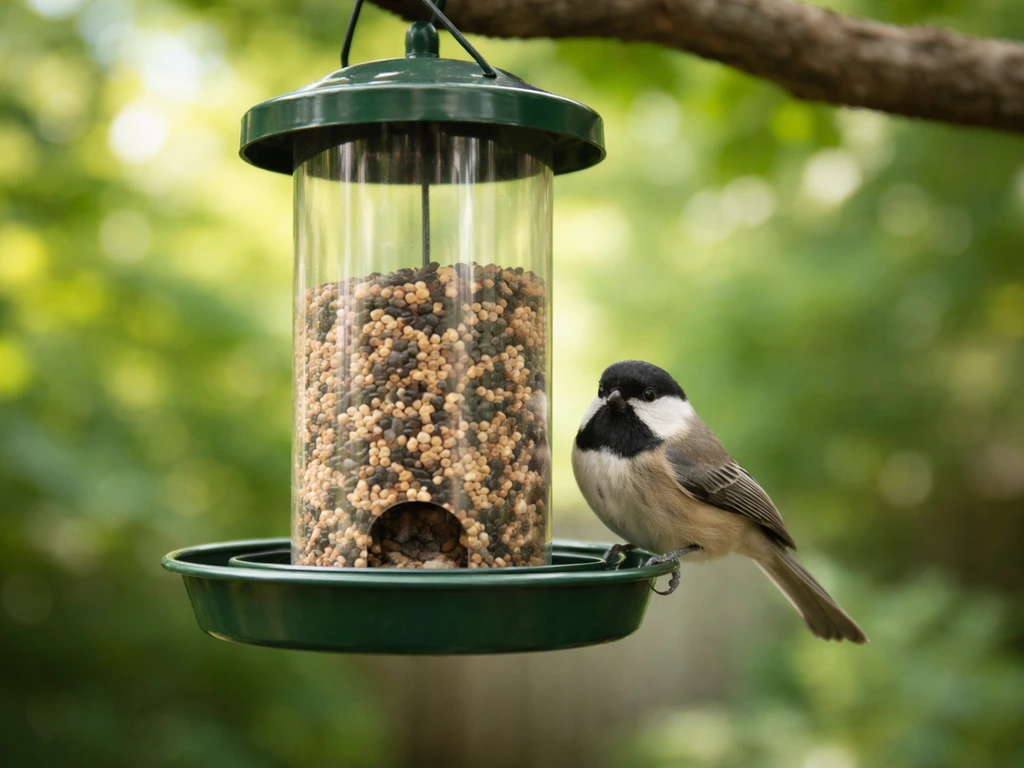
Merriam-Webster marks 'bird' as 'often attributive,' which is dictionary shorthand for: this word regularly sits in front of another noun to describe it. Cambridge puts it plainly too, noting that 'bird is often used in combination to describe a particular type of bird.' That's the attributive pattern in action.
When 'bird' modifies another noun like 'feeder' or 'song,' it's technically functioning as an attributive noun, not a true adjective. True adjectives can be used after a linking verb ('the feeder is bird' makes no sense), but attributive nouns can't. Still, in everyday writing and speaking, calling this an 'adjective use of bird' is perfectly reasonable and is exactly what most dictionaries describe. Merriam-Webster is explicit that the 'often attributive' label is reserved for nouns with broad, well-established modifying use, and 'bird' absolutely qualifies.
This is the same pattern you see with words like 'car' (car park, car door), 'stone' (stone wall, stone floor), or 'coffee' (coffee table, coffee mug). The noun does the work of an adjective without changing its form. If you're curious about bird's grammatical identity more broadly, the related questions of whether bird is a noun or what type of noun it is are worth exploring on their own. If you're curious about bird's grammatical identity more broadly, the related questions of whether bird is a noun or pronoun are worth exploring on their own. To answer “bird is which type of noun,” it helps to look at how dictionaries classify it and how it functions in sentences as an attributive noun.
The main adjective alternatives: avian, birdlike, and ornithological
These three words fill different gaps that the attributive 'bird' can't always cover. Here's what each one actually means and where it comes from.
Avian
Merriam-Webster defines 'avian' as 'of, relating to, or characteristic of birds.' It comes from the Latin word 'avis,' meaning bird. This is the go-to formal adjective when you need a single word that straightforwardly means 'bird-related.' You'll see it in medical, scientific, and news contexts: avian influenza, avian diversity, avian anatomy. It can also follow a linking verb in a way that attributive 'bird' cannot: 'the disease is avian in origin' works perfectly.
Birdlike
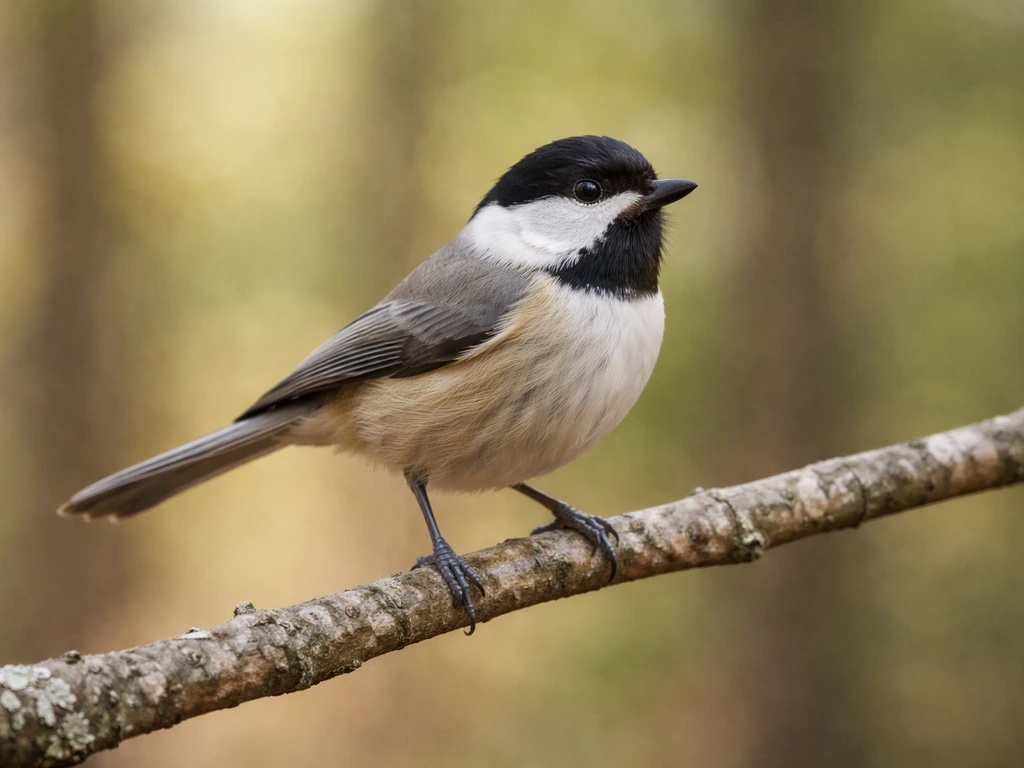
Merriam-Webster defines 'birdlike' as 'resembling or suggestive of a bird,' especially in alertness or voice. Cambridge echoes this with 'like a bird,' often applied to physical or behavioral resemblance. The key difference from 'avian' is meaning: 'avian' says something belongs to or relates to birds, while 'birdlike' says something resembles a bird. You'd describe a dinosaur's bone structure as 'birdlike,' or call someone's quick, darting eyes 'birdlike curiosity.' It's also used descriptively in naturalist writing: 'birdlike feathers' on an ancient fossil, for instance.
Ornithological
Ornithology is the scientific study of birds, and 'ornithological' is its adjective form. It refers specifically to things connected to that field of study: ornithological research, ornithological surveys, ornithological journals. You wouldn't call a backyard bird feeder 'ornithological' just because birds use it. Reserve this word for contexts involving bird science, researchers, or formal field work. Merriam-Webster also lists the shorter variant 'ornithologic,' though 'ornithological' is the standard form you'll see in most academic and reference writing.
A note on 'birdy' and 'ornithic'
Two less common options are worth knowing about. 'Birdy' (sometimes spelled 'birdie' in informal use) is a real adjective in Merriam-Webster, with senses meaning 'like that of a bird' or 'abounding in birds.' It's informal and expressive, and you'll mostly hear it in casual speech or creative writing: 'she had a birdy curiosity about everything.' Then there's 'ornithic,' which Collins and Dictionary.com both list as an adjective meaning 'of or relating to birds.' It's uncommon in modern usage and mostly a curiosity, but it exists if you need it for a crossword or a very specific etymological discussion.
Which word should you use? A quick decision guide
| Your goal | Best adjective | Example |
|---|---|---|
| Describe something that belongs to or relates to birds (general) | bird (attributive) | bird feeder, bird species, bird song |
| Formal/technical: something relating to birds as a group or class | avian | avian flu, avian diversity, avian anatomy |
| Something that looks or sounds like a bird | birdlike | birdlike movements, birdlike eyes, birdlike feathers |
| Connected to the scientific study of birds | ornithological | ornithological survey, ornithological research |
| Informal: something with a bird-y quality or feel | birdy | birdy alertness, birdy curiosity |
| Rare/technical: of or relating to birds (classic form) | ornithic | ornithic fauna (uncommon; mostly scholarly) |
Everyday phrases vs. birdwatching and pet-bird contexts
In everyday speech and writing, 'bird' as an attributive noun covers almost everything you need. Most common bird-related phrases are built this way.
- Bird feeder, bird bath, bird table (garden and backyard contexts)
- Bird song, bird call, bird sound (sounds birds make)
- Bird species, bird population, bird migration (general nature writing)
- Bird cage, bird perch, bird toy (pet-bird and parrot-keeping contexts)
- Bird flu (the everyday name for what scientists call avian influenza)
Switch to 'avian' when the register goes up a level, especially in science writing, journalism, or veterinary contexts. A vet talking about your parrot's health is more likely to say 'avian veterinarian' than 'bird vet' in formal documentation, though 'bird vet' is perfectly clear in conversation. Birdwatchers and field ornithologists tend to use 'avian' in survey reports: 'avian abundance,' 'avian richness,' 'avian community structure.' In a field guide or pet-bird book, you'll often see both styles side by side.
- Avian influenza / avian flu (formal name vs. everyday name)
- Avian veterinarian (formal) vs. bird vet (casual)
- Avian diversity index (scientific report) vs. bird variety (plain English)
- Birdlike posture (describing a fossil or animal's resemblance to birds)
- Ornithological survey (formal field study) vs. bird count (casual birdwatching)
The grammar behind it: how nouns become adjectives in English
English has several ways to turn a noun into an adjective, and 'bird' uses more than one of them. Understanding the pattern helps you build and decode new bird-related phrases on the fly.
- Attributive use (zero conversion): the noun stays identical and moves in front of another noun. 'Bird' becomes the modifier in 'bird song,' 'bird dog,' or 'bird watcher.' No suffix, no change.
- Suffixing with '-like': attach '-like' to the noun to get 'birdlike,' meaning resembling a bird. This is a productive pattern in English: catlike, snakelike, wolflike.
- Borrowing from Latin/Greek roots: 'avian' comes from Latin 'avis' (bird), and 'ornithological' comes from Greek 'ornithos' (bird) plus '-logy' (study of) plus '-ical' (adjective suffix). These paths give you dedicated adjectives with specific meanings.
- Informal suffixing with '-y': add '-y' to get 'birdy,' meaning bird-like in quality or full of birds. This is the most casual and expressive route.
Merriam-Webster points out that the 'often attributive' label in dictionaries is specifically reserved for nouns that have demonstrated wide, consistent use as modifiers. That label on 'bird' tells you the attributive pattern isn't accidental or rare: it's the standard, established way English handles this meaning. You may also want to review how bird-related homophones work and their meanings before choosing a spelling starting with bird homophones meaning. The same grammar logic applies to other bird-naming questions, like whether 'bird' acts as a pronoun or what kind of noun it is, which are separate but related topics worth digging into. The related question of whether “bird” is a pronoun is a different grammar issue, but it follows the same curiosity about word functions is bird a pronoun.
Spelling and pronunciation for each form
Getting these words right on paper and out loud is straightforward once you know the patterns.
Bird (attributive)
One syllable, rhymes with 'heard' and 'word.' Pronunciation: /bɜːrd/ (UK), /bɜːrd/ (US). In compounds, the stress usually falls on the first element: BIRD-song, BIRD-feeder, BIRD-watcher. Spelling is always 'bird,' whether the compound is written as one word (birdsong), two words (bird feeder), or hyphenated (bird-watcher). All three styles appear in standard dictionaries, so check the specific compound if you're unsure.
Avian
Two syllables: AY-vee-un. IPA: /ˈeɪviən/ (US), /ˈeɪvɪən/ (UK). The stress is firmly on the first syllable. A common mispronunciation puts the emphasis on the second syllable (ay-VEE-un), but that's not standard. Spelling note: it's 'avian,' not 'avion' (that's a French word for airplane) and not 'avien.' The '-an' ending is the standard English adjectival suffix here, the same pattern as 'reptilian,' 'mammalian,' and 'amphibian.'
Birdlike
Two syllables: BIRD-like. Stress on the first syllable, exactly as it sounds. Cambridge confirms this stress pattern. Spelling: one word, no hyphen in modern standard usage, though you'll sometimes see 'bird-like' hyphenated in older texts. Both are acceptable, but 'birdlike' (one word) is the form you'll find in current dictionary entries.
Ornithological
Six syllables: or-ni-tho-LOG-i-cal. The stress lands on the fourth syllable: 'LOG.' IPA: /ˌɔːrnɪθəˈlɒdʒɪkəl/ (UK), /ˌɔːrnɪθəˈlɑːdʒɪkəl/ (US). The most common spelling mistake is dropping the 'h' in '-thological' or writing '-logical' without the '-o-' connector (ornithlogical, ornithlogic). The full spelling is: o-r-n-i-t-h-o-l-o-g-i-c-a-l. Merriam-Webster also lists the shorter variant 'ornithologic' as acceptable, but the '-al' ending is far more common and the safer choice in formal writing.
FAQ
How do I choose between bird, avian, and birdlike in a sentence?
Use bird when you mean the noun is a kind of bird item or type (bird feeder, bird species). Use avian when you mean a formal classification or topic area (avian health, avian influenza, avian research). Use birdlike when you mean resemblance (birdlike posture, birdlike singing).
Is “bird” really an adjective in phrases like “bird song”?
Often, yes. “Bird” in phrases like “bird song” is attributive (noun modifying noun), so it does not behave like a typical adjective that can follow a linking verb. For example, “the song is bird” is ungrammatical, while “the disease is avian” is fine.
Which word can I use after “is” (linking verb), bird or avian?
If you need a single word that can work after a linking verb, pick avian. “The origin is avian” is acceptable, but “the origin is bird” is not. When writing informally, you can still use “bird” before the noun if that’s the style you want.
When would “ornithological” be wrong for something that just relates to birds?
Write “ornithological” only for connections to the study of birds (research, surveys, journals, fieldwork). A pet store item like a feeder is not “ornithological” unless you are describing the feeder as part of bird-study work, like a component in a research setup.
Should I write “birdlike” or “bird-like”?
In modern standard English, prefer birdlike (one word). “Bird-like” appears in some older or stylistic forms, but most current dictionary entries and formal writing use birdlike.
Is “avian” too formal for everyday writing?
Don’t assume “avian” automatically fits informal contexts. If your audience expects everyday phrasing, “bird” is usually smoother, while “avian” can sound clinical or academic. A quick test is whether the sentence reads naturally in a veterinary or research report versus a casual conversation.
Can I use “birdy” in formal or scientific writing?
Avoid overgeneralizing “birdy.” It is informal and expressive, often suited to creative descriptions, not technical or scientific writing. If you’re describing species traits or causes, avian or bird-based attributive phrasing will be more precise.
Do I have to hyphenate or combine bird compounds, or are multiple spellings acceptable?
You can, but be consistent with the style of the compound you choose. Standard spelling variations include one word (birdwatcher, birdsong), two words (bird feeder), or hyphenation (bird-watcher). If you must pick one, one word or two words are usually the safest in modern references, depending on the specific term.
What are the most common pronunciation or spelling mistakes with these words?
For “avian,” stress is on the first syllable (AY-vee-un). A common mistake is saying ay-VEE-un, which will sound nonstandard. For “ornithological,” keep the stress on “LOG,” and spell it carefully, since missing letters like the “h” in “-thological” is frequent.
Next Article
How to Pronounce Xeme Bird: Say It Like This
Learn how to pronounce xeme bird step by step with IPA, syllables, stress, and common mistakes to avoid.