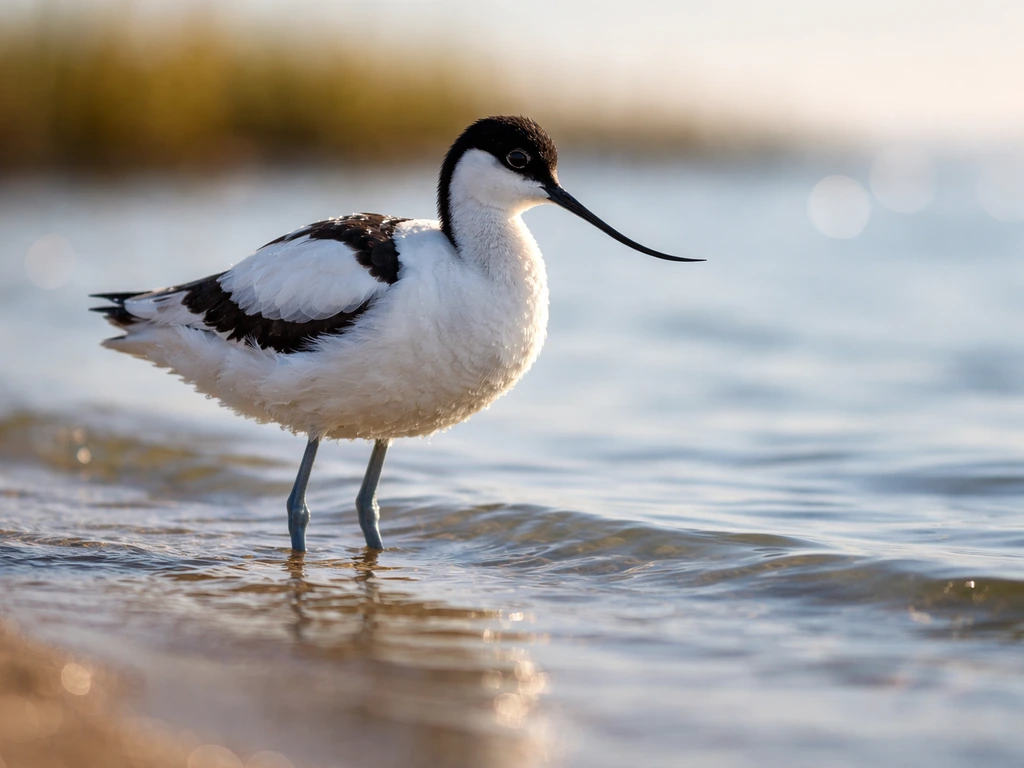
If you're staring at a crossword or word puzzle clue that says 'common garden bird' and you need exactly 6 letters, the most likely answer is SPARROW. That single word, spelled S-P-A-R-R-O-W, clocks in at exactly 6 letters and describes one of the most familiar garden birds in the UK and beyond. The house sparrow in particular has blank" rel="noopener noreferrer">topped the RSPB's Big Garden Birdwatch charts for 21 consecutive years, making it as 'common garden bird' as it gets. If your puzzle has crossed wires with another species, this guide will walk you through every realistic contender and how to verify the right fit.
Common Garden Bird 6 Letters Answers and Verification

James Ridgley
20 Apr 2026
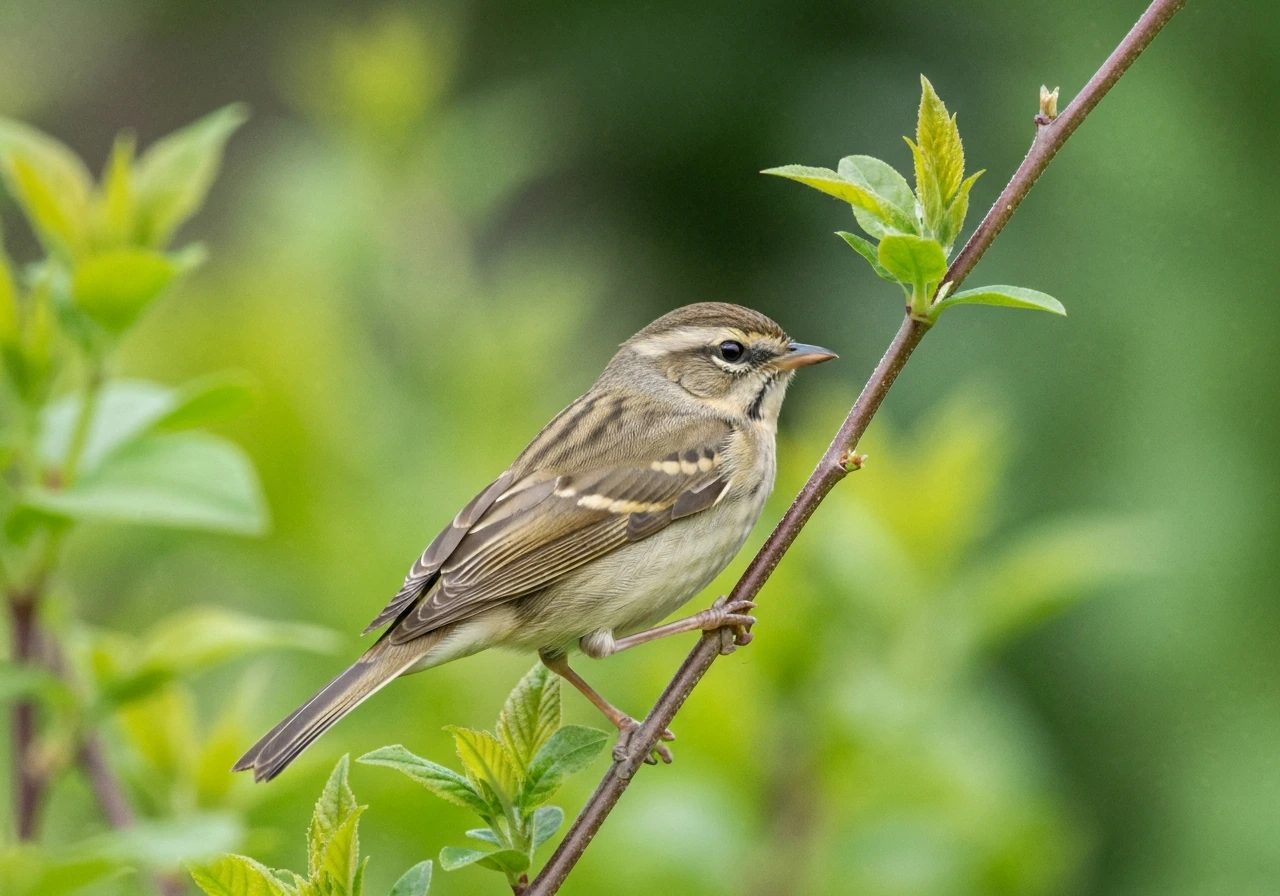
What 'common garden bird 6 letters' usually means in puzzles
When crossword setters write 'common garden bird,' they're almost always pointing to a species that a typical suburban or rural garden visitor would recognize instantly: a bird that shows up at feeders, nests near houses, and is present year-round. The 6-letter constraint is applied to the common English name only, not the scientific Latin name (more on that distinction later). The word 'garden' in the clue is also a subtle regional signal. British puzzles use 'garden'; American ones tend to say 'backyard.' If you see 'garden,' you're almost certainly solving a UK-flavored puzzle, which narrows the field considerably.
Crossword databases that track clue-answer pairings show that 'common garden bird' is a recurring phrase, and the expected answer shifts depending on the letter count. The most searched version of this clue without a letter constraint often pulls up WREN (4 letters), which the British public and crossword setters alike treat as the archetypal small garden bird. But since WREN is only 4 letters, a 6-letter version of the same clue pushes you toward a different answer. That's where SPARROW comes in. Related puzzle variants like 'common bird 7 letters' or 'common marine bird 7 letters' follow the same logic but for different letter counts and habitats. If your clue instead reads "common bird 7 letters," the letter-count logic shifts again and can point to a different common species. If the clue uses an 8-letter count for a common bird, the same habitat and letter-count logic will help you narrow it down quickly common bird 8 letters. If you are working with a clue like “common marine bird 7 letters,” the same letter-count and habitat logic will point you to the right species. If you later see a 7-letter version like common bird 7 letters, the same habitat logic will still help you decide.
Best 6-letter candidates for common garden birds
There are a handful of bird names that land at exactly 6 letters and could plausibly describe a common garden visitor. Here are the strongest contenders, ranked by how well they fit both the letter count and the 'common garden' description:
- SPARROW (7 letters) — wait, count again: S-P-A-R-R-O-W. That's 7. More on this below.
- THRUSH (6 letters) — T-H-R-U-S-H. A genuine garden regular in the UK, the song thrush visits lawns for worms and snails. Very plausible for a 6-letter answer.
- MAGPIE (6 letters) — M-A-G-P-I-E. Bold, conspicuous, and absolutely everywhere in UK gardens. A strong candidate.
- MARTIN (6 letters) — M-A-R-T-I-N. As in house martin, a classic garden and eaves-nesting bird across the UK.
- ROBINS (6 letters) — R-O-B-I-N-S. The plural of robin; if the crossword uses the plural form, this fits. The robin is one of the UK's most beloved garden birds.
- LINNET (6 letters) — L-I-N-N-E-T. Less of a garden-feeder regular and more of a farmland/hedgerow bird, so less likely for this clue.
Now, a critical correction on SPARROW: S-P-A-R-R-O-W is actually 7 letters, not 6. This is a very easy counting mistake because the double-R in the middle tricks the eye. So if your grid has exactly 6 squares, SPARROW won't fit. The strongest true 6-letter answers are THRUSH, MAGPIE, MARTIN, and ROBINS (plural). If your grid has 7 squares, then SPARROW becomes the top answer again.
How to verify which bird is right
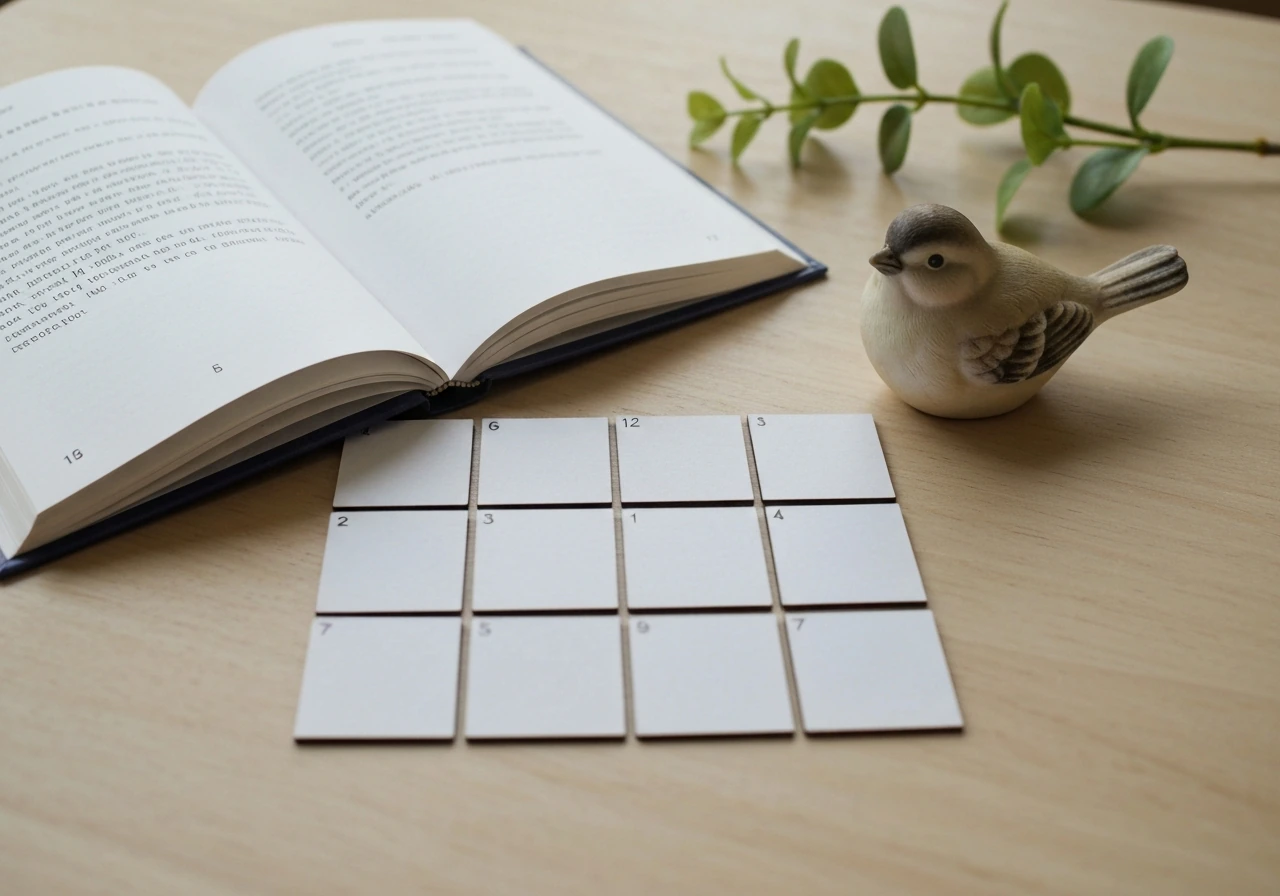
The first step is always to recount the letters yourself, one finger per square. It sounds obvious but it's the most common source of confusion with this type of clue. Once you've confirmed the count, cross-reference any letters you've already filled in from intersecting clues. A confirmed vowel in position 2, for example, rules out THRUSH (which has H in position 2) and points toward MAGPIE or MARTIN.
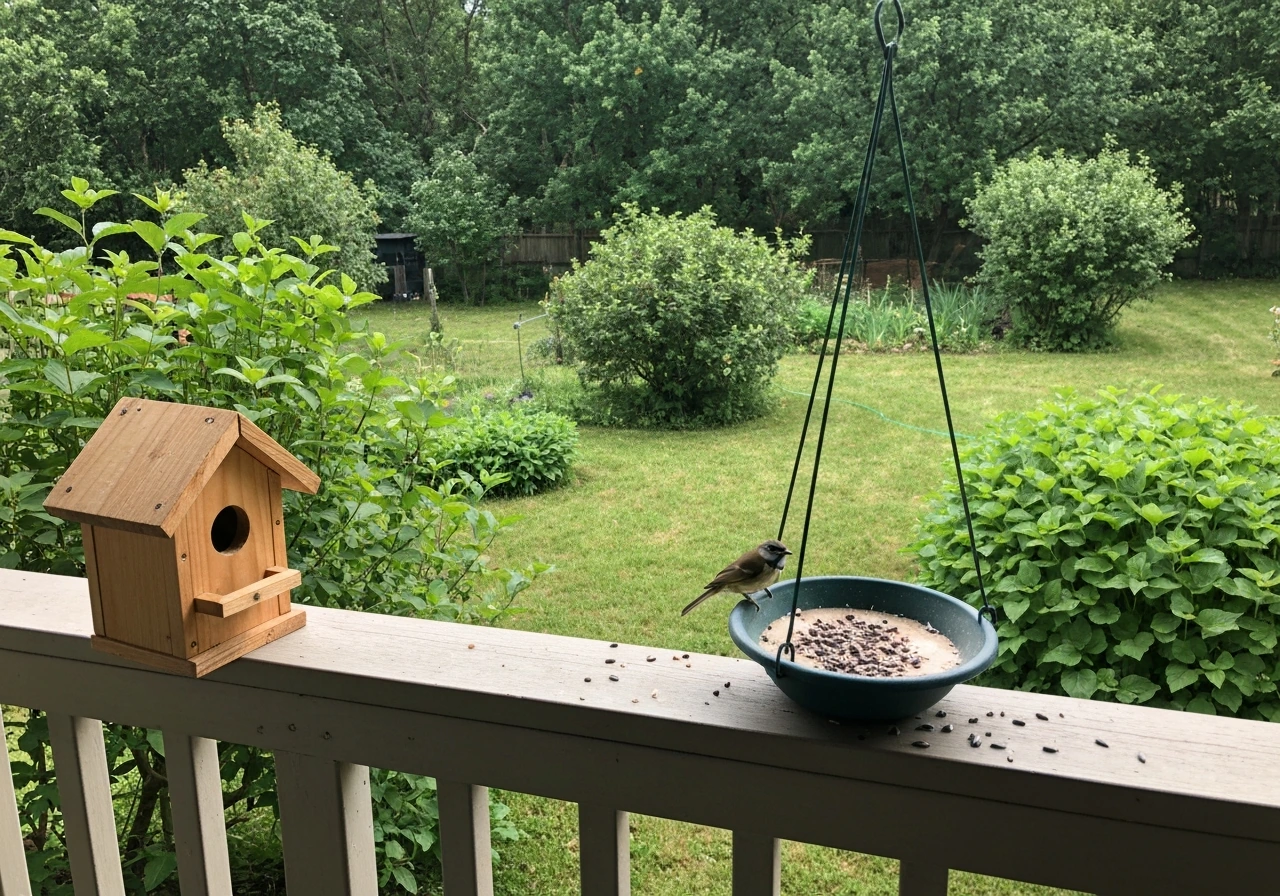
Next, think about the habitat description in the clue. 'Garden bird' strongly implies a species comfortable around human habitation: feeders, nest boxes, hedges, eaves, and lawns. Both THRUSH and MAGPIE fit this perfectly in the UK. MARTIN fits if the clue leans toward nesting under eaves or near buildings. ROBINS are an iconic UK garden bird and the plural form ROBINS gives you 6 letters. Regional context matters too: 'garden' almost always signals a British or Irish puzzle, so you can confidently use UK garden bird frequency data to check. The BTO's Garden Nesting Survey and the RSPB's Big Garden Birdwatch are the two most reliable public references for confirming which species genuinely qualify as 'common garden birds' in the UK.
Also check whether the clue is asking for a singular or plural. ROBIN is 5 letters; ROBINS is 6. THRUSH is already 6 in singular. MAGPIE is 6 in singular. MARTIN is 6 in singular. The plural trap catches a lot of solvers, so read the clue wording carefully for any hint ('birds' plural vs 'bird' singular).
Spelling and pronunciation for each leading match
| Bird name | Spelling (letters) | UK pronunciation | Notes |
|---|---|---|---|
| THRUSH | T-H-R-U-S-H (6) | THRUSH (rhymes with 'rush') | Singular; song thrush and mistle thrush both qualify as garden birds |
| MAGPIE | M-A-G-P-I-E (6) | MAG-pye (rhymes with 'pie') | Singular; highly visible, year-round UK garden visitor |
| MARTIN | M-A-R-T-I-N (6) | MAR-tin (stress on first syllable) | Singular; house martin nests under eaves; swift/swallow family |
| ROBINS | R-O-B-I-N-S (6) | ROB-inz (stress on first syllable) | Plural form of robin; robin itself is 5 letters |
| SPARROW | S-P-A-R-R-O-W (7) | SPARR-oh (stress on first syllable) | 7 letters, not 6; fits a 7-letter grid only |
| WREN | W-R-E-N (4) | REN (the W is silent) | 4 letters only; rules out for a 6-letter grid |
A note on WREN's pronunciation: the W is completely silent in modern English. You say it exactly like the name 'Ren.' The silent W is a holdover from Old English and Middle English, when the W was actually pronounced. Cambridge Dictionary and Collins Dictionary both confirm the modern pronunciation as /rɛn/ in IPA, or simply 'ren' in plain phonetics. This catches people out when they're writing the word because the spelling feels like it should start with an 'R' sound, and it does.
THRUSH is straightforward: one syllable, rhymes with 'rush' and 'brush.' MAGPIE splits cleanly into two syllables: MAG-pye. MARTIN also splits into two: MAR-tin. None of these have tricky silent letters or unusual stress patterns, which is part of why they make such clean crossword answers.
Common lookalikes and why they might not fit
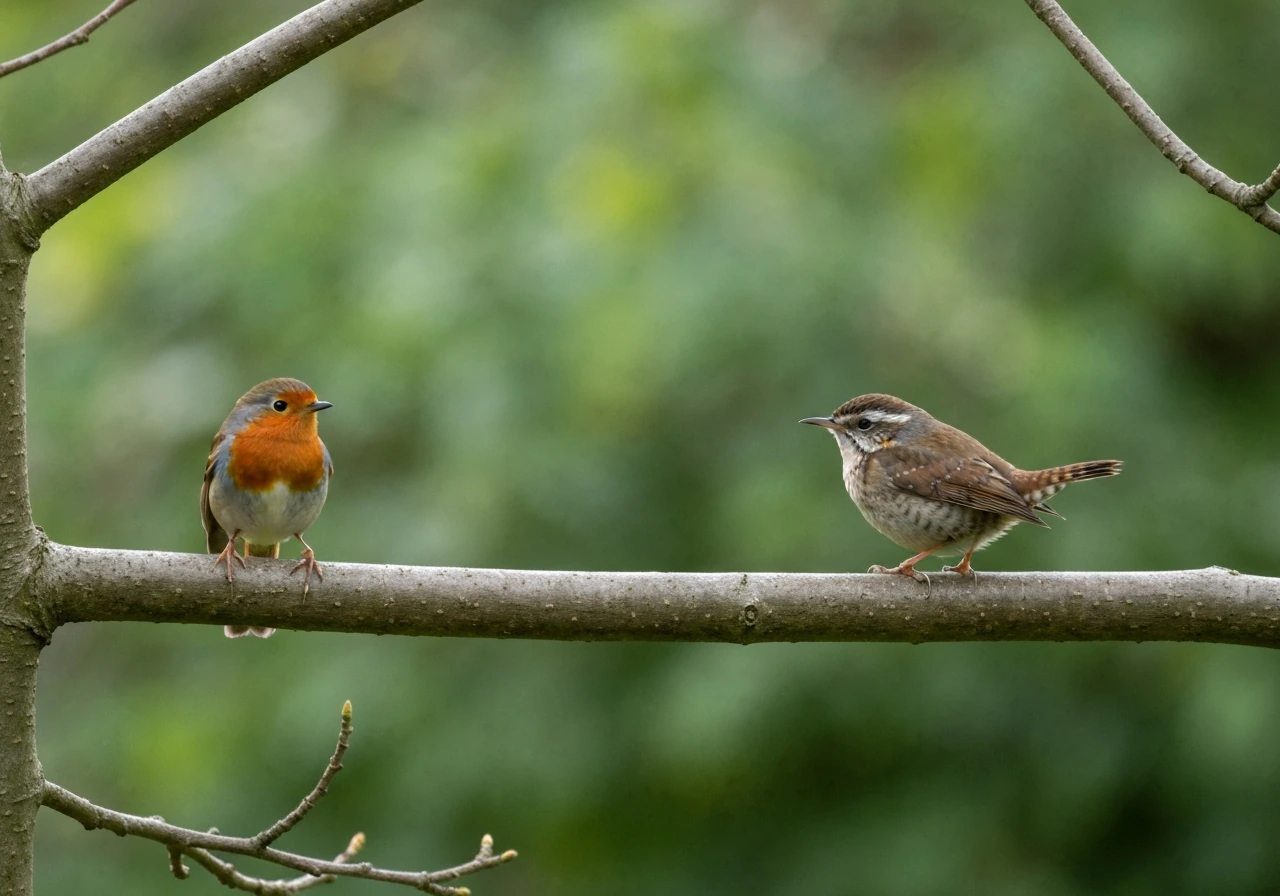
Several bird names look like they could work but fall short on letter count or habitat fit. Here's a quick rundown of the traps to watch for:
- ROBIN (5 letters): One of the UK's most iconic garden birds, but the singular form is only 5 letters. You'd need the plural ROBINS for 6.
- WREN (4 letters): The quintessential 'common garden bird' in British crossword culture, but it's 4 letters and won't fill a 6-square grid.
- FINCH (5 letters): Common at garden feeders (especially goldfinch and chaffinch), but the base word FINCH is only 5 letters.
- SPARROW (7 letters): Feels like it should be 6, but count carefully: there are two R's. It's 7.
- CHICKADEE (9 letters): A North American garden bird, not a UK garden bird at all, and too many letters regardless.
- BLUEBIRD (8 letters): American species, not found in UK gardens, and 8 letters.
- BLACKBIRD (9 letters): Extremely common UK garden bird but 9 letters, nowhere near 6.
- JAY (3 letters): UK garden visitor (especially for acorns), but only 3 letters.
- PIGEON (6 letters): P-I-G-E-O-N. This is actually a valid 6-letter answer for a common garden bird, particularly the wood pigeon or feral pigeon. Worth keeping in mind if intersecting letters point this way.
PIGEON deserves a special mention because it's easy to overlook. P-I-G-E-O-N is exactly 6 letters and pigeons (including wood pigeons and collared doves' close relative, the feral pigeon) are genuinely common in UK gardens. If your intersecting letters reveal a P in position 1 and an N at the end, PIGEON should jump to the top of your list immediately.
Why common names and scientific names are different beasts
The 6-letter constraint in your puzzle applies to the common English name, not the scientific (Latin) name. This distinction matters because crossword setters and puzzle writers always use common names for general-audience clues. The RSPB, BTO, and other authoritative UK ornithology organizations list species under both their common name and their Latin binomial, but only common names appear in crosswords. For example, the house sparrow's scientific name is Passer domesticus, which is 16 characters including the space. A song thrush is Turdus philomelos: 17 characters. Neither would ever appear in a standard crossword grid.
Common names are also standardized to a greater degree than many people realize. The RSPB uses 'House Sparrow' (capitalized, two words) as its official species name. The BTO uses the same convention. For crossword purposes, the two-word form gets compressed: puzzle setters drop the qualifier ('house,' 'song,' 'great') and just use the core noun, which is why SPARROW and THRUSH appear as answers even though the 'official' common name might be 'house sparrow' or 'song thrush.' This compression is standard practice in the crossword world.
A quick etymology note on the leading candidates
The word 'wren' has been in English since at least the Old English period, recorded as 'wrenna' or 'wrænna' in early texts. The initial W was pronounced then, which is why the spelling kept it even after the pronunciation shifted. 'Sparrow' also goes back to Old English ('spearwa') and is related to similar words in other Germanic languages. 'Thrush' derives from Old English 'þrostle' or 'þrysce,' related to the word for 'thrush' across several northern European languages. 'Magpie' is a compound of 'Mag' (a nickname for Margaret, used historically for a chattering person) and 'pie' (from Old French 'pie,' meaning magpie). The 'pie' root is the same one that gives us 'pied' meaning two-colored. 'Martin' as a bird name comes from the personal name Martin, possibly linked to Saint Martin of Tours, in the same way 'robin' comes from the name Robin.
These etymology details aren't just trivia. They explain why common bird names in English can look inconsistent or hard to spell: they're a mix of Old English survivors, French borrowings, and personal-name transfers, each with its own spelling logic. When you're counting letters for a puzzle, this history is less important than a careful letter-by-letter count, but it helps explain why 'wren' has a silent W and why 'magpie' has that unusual 'pie' ending.
Your next steps to solve the clue confidently
Start by confirming your grid count one more time, square by square. Then check any letters already placed by crossing answers. With those two pieces of information, compare against the top candidates: THRUSH, MAGPIE, MARTIN, ROBINS, and PIGEON. All are exactly 6 letters and all qualify as common garden birds in a UK context. If you have a US puzzle and you see 'backyard' instead of 'garden,' expand your search slightly since American garden birds differ, though many of the same counting principles apply. For other letter counts, the logic works the same way: similar clue-solving guides exist for 7-letter and 8-letter common bird names, each with their own top candidates.
If you want to double-check a species before committing, the RSPB species pages and the BTO's garden bird surveys are the fastest, most authoritative references online. A Reddit thread in r/OrnithologyUK points to where full or unabridged RSPB Big Garden Birdwatch results can be located and why detailed verification information may not be published in full elsewhere RSPB Big Garden Birdwatch full results. Search the species name plus 'RSPB' and you'll get the standardized common name spelling, habitat notes, and whether it genuinely qualifies as a common garden bird. That verification step takes about 30 seconds and will save you from filling in a wrong answer that blocks three other clues.
FAQ
How do I handle cases where the clue wording suggests singular versus plural (for example, “bird” vs “birds”)?
Check whether the clue includes extra words like “common” or “most common” and whether it specifies a gender or type (for example, “male” or “female,” or “robin’s” could be a pluralized possessive). Those wording tweaks can steer you between close 6-letter options such as THRUSH versus THRUSHES (not a standard 6-letter single-word fit) or ROBIN versus ROBINS when the clue says “bird” versus “birds.”
What’s the fastest way to verify the answer once I have a few crossed letters?
If you already have 2 or 3 intersecting letters, use them to eliminate candidates by letter position, not just by starting letter. A single fixed pattern like _ _ A _ _ _ can rule out THRUSH (where position 2 is H), while also narrowing MAGPIE and MARTIN quickly. This is more reliable than guessing based on how common the bird feels in everyday life.
Can “common garden bird” ever use an official multi-word name like “house sparrow,” or are puzzle entries always compressed to one word?
If your crossword entry allows a hyphenated form or includes an alternative spelling (rare, but it can happen in some puzzle sets), use only the standard common single-word form the puzzle uses elsewhere. For example, “house sparrow” is usually shortened to SPARROW in crosswords, so don’t try “house” or “sparrow-” variants that won’t match the grid length.
When my natural instinct is to use a two-word species name, how do I decide whether the crossword will accept a one-word version?
Some puzzles accept short forms or clipped names, but most do not for bird entries, especially when the clue gives a clear letter count. If you see that the answer you need would require two words to be correct in everyday speech, assume the crossword is using the compressed form and match the grid length accordingly (for instance, avoid adding “house” to SPARROW).
What changes if the puzzle uses “backyard” (US style) instead of “garden” (UK style)?
If the clue is from a US-themed puzzle that uses “backyard” instead of “garden,” the top 6-letter candidates can shift. In that situation, still apply the letter-count and singe-word rules, but expect different species frequency and common names, so rely more on grid letters and on a US-specific bird name list than on UK garden-bird assumptions.
What are the most common counting mistakes that lead to the wrong 6-letter bird answer?
When you suspect the answer might be off by one letter due to miscounting, check the spelling visually for double-letter traps (like the double R in SPARROW) and for silent-letter expectations (like WREN). A reliable test is to recount using your grid squares and then compare against the candidate’s exact character count, not the number of phonetic sounds.
When should I consider PIGEON as a top contender for “common garden bird” with 6 letters?
PIGEON is a common source of confusion because it sounds less like a “garden” bird than, say, a finch-like feeder visitor, but it is still extremely plausible around homes. If your crosses confirm a P at the first square and an N at the last square, it becomes a strong, sometimes top, candidate even if other birds feel more “garden-like.”
How do habitat hints inside the clue wording help when two 6-letter answers both look possible?
If you find yourself choosing between two 6-letter options, use habitat signals in the crosses of the clue itself. Examples: MARTIN fits best when the clue leans toward nesting near buildings or under eaves, while MAGPIE fits well when the clue implies a familiar yard visitor with open-area presence. THRUSH is often chosen when the clue points to typical garden ground-level or hedge activity.
Can the answer ever be based on the scientific (Latin) name, or is it always the common English bird name?
Crosswords almost always use the common English name, not the Latin binomial. That means you should not translate or generate the answer from a scientific name, and you should also avoid variant common names that exist in field guides if they exceed your letter count. Treat the clue and grid length as the source of truth for the spelling form.
What’s a good verification workflow that avoids changing the answer late in the fill?
Use a quick online verification only after you have a shortlist and the exact spelling pattern you need (letter positions) from crossings. Searching “bird name + RSPB” or “bird name + garden bird survey” can confirm the standardized common-name spelling, but it should be used to verify spelling, not to decide from scratch without grid constraints.
Next Article
Common Bird 6 Letters Starting with A: Best Answers
Solve common bird 6 letters starting with A: shortlist, spelling checks, etymology, and habitat tips to confirm the righ