The correct spelling is phoenix, and when it appears as part of a bird's common name, you write it as Phoenix Petrel, with both words capitalized. That's the real bird species carrying the phoenix name: the Phoenix Petrel, a seabird with the scientific name Pterodroma alba. If you're spelling the mythological firebird, it's still phoenix (lowercase, no second word), and the same spelling rule applies across both uses. Simple enough, but there's a bit more worth knowing depending on exactly which phoenix bird you mean.
How Do You Spell Phoenix the Bird Correctly?

James Ridgley
23 Mar 2026
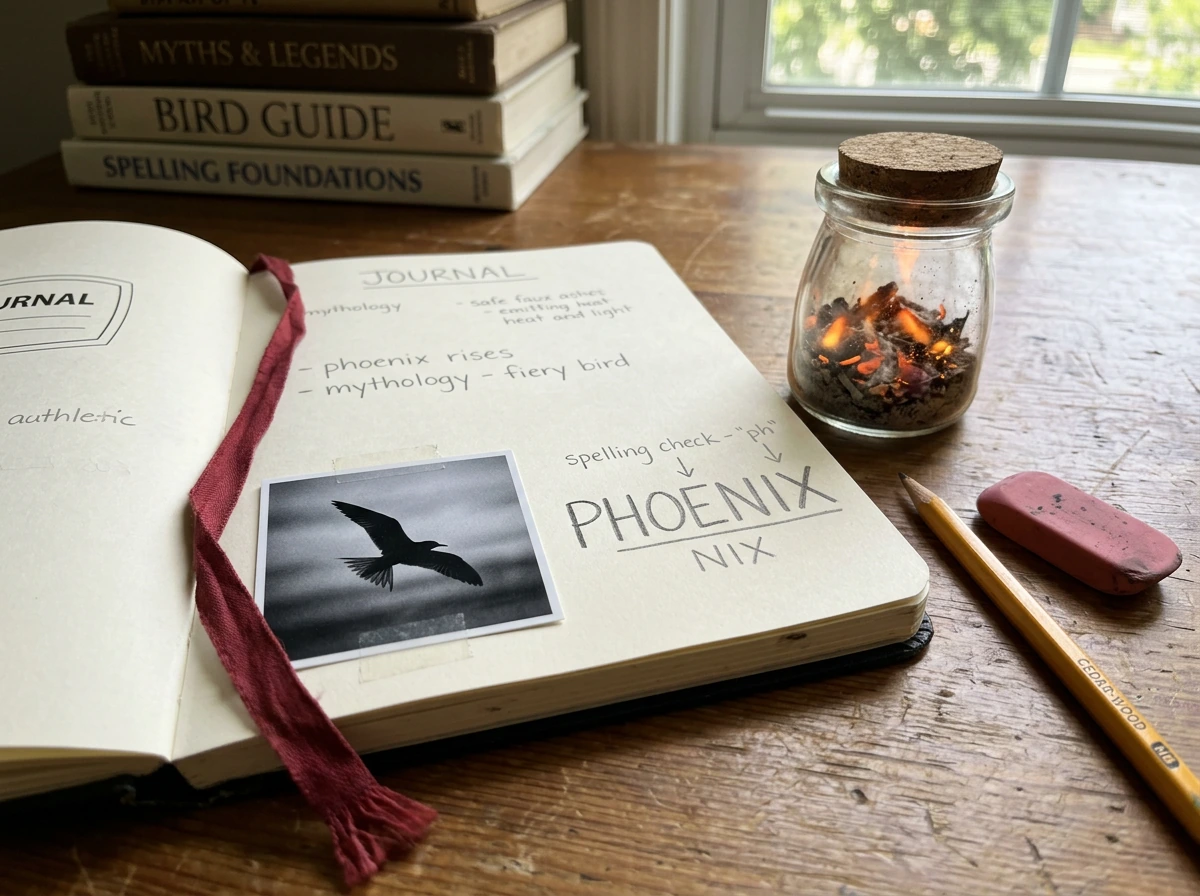
The correct spelling, plain and simple
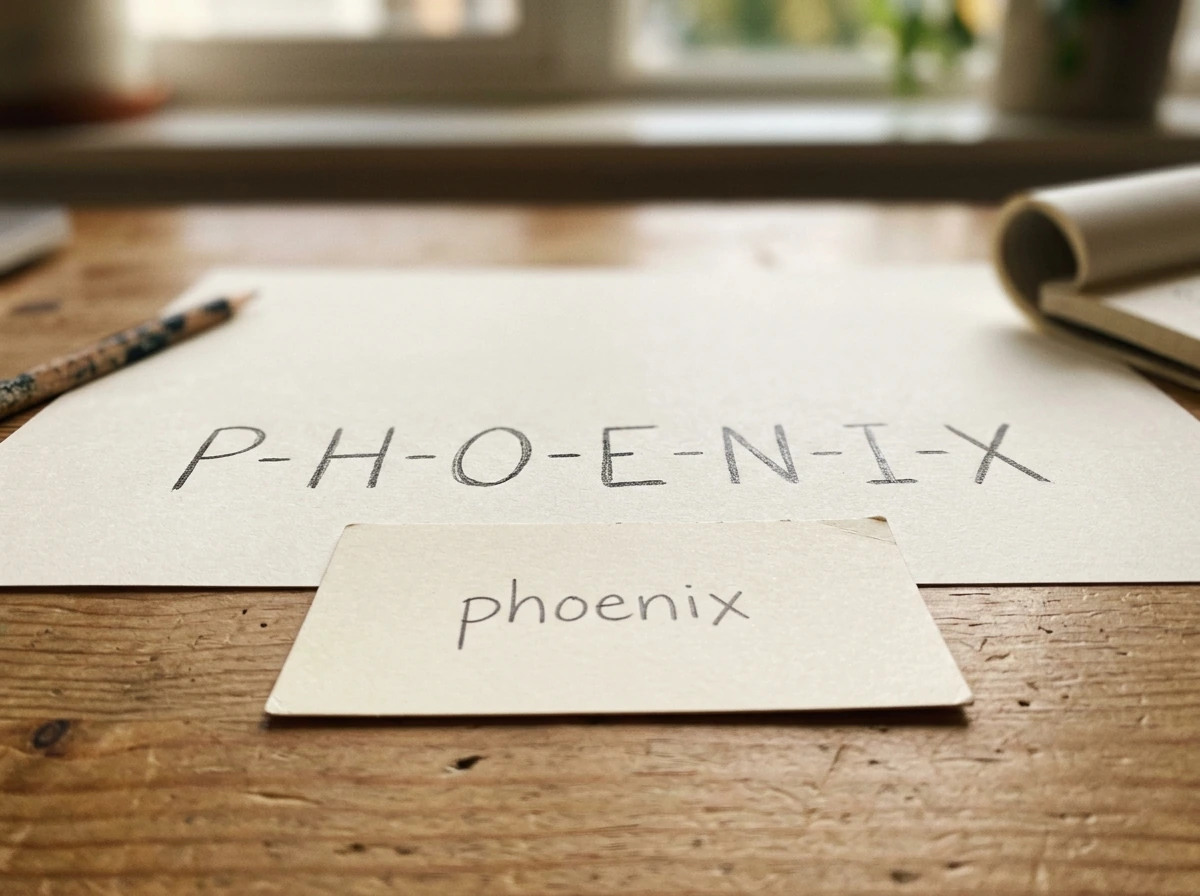
Phoenix. P-H-O-E-N-I-X. Six letters, starting with the PH combination that makes an "F" sound, followed by OE (which together make the long "ee" sound), then N-I-X. Merriam-Webster confirms this as the standard English spelling, rooted in Latin and Greek origins. The word has been in English long enough that most people recognize it, but the spelling still trips people up because the sounds don't map neatly onto the letters.
There is one variant spelling you might occasionally see: blank" rel="noopener noreferrer">phenix. This shows up sometimes in older American English texts, but it's not the standard form and most reference sources don't use it for either the bird or the myth. Stick with phoenix and you'll be correct in every context.
Capitalization: when to use a capital P and when not to
Capitalization depends entirely on how you're using the word. Here's the breakdown:
- Phoenix Petrel (capital P, capital P): this is the full common name of the real bird species, used in official sources like the U.S. Fish and Wildlife Service, Birds of the World, and ITIS. Both words are capitalized because "Phoenix Petrel" functions as a proper name for the species.
- phoenix (all lowercase): used when referring to the legendary mythological bird in general terms, as in "the phoenix is a symbol of rebirth."
- Phoenix (capital P, standalone): used when referring to the mythological bird as a proper noun or named figure, which is common in literary and cultural writing.
- Pterodroma alba: this is the scientific name of the Phoenix Petrel, always italicized, with the genus (Pterodroma) capitalized and the species epithet (alba) in lowercase.
The safe rule for bird naming contexts: if you're writing the full species common name, capitalize it as Phoenix Petrel. If you're writing the word in a general sentence about the mythical creature, lowercase it. If you're filling in a crossword or a pet name list, Phoenix (capital P) works as a proper noun.
Which phoenix bird do you actually mean?
This is the part that trips people up, because "phoenix" shows up in a few different bird-related contexts and they are not the same thing. Before you finalize your spelling or format, figure out which one applies to your situation.
The mythological phoenix
This is the legendary immortal firebird from Egyptian, Greek, and Roman mythology, the bird that cyclically burns and rises from its own ashes. Britannica and Wikipedia both describe it clearly as a mythological creature, not a real biological species. It has no scientific name, no taxonomy entry, and no place on a species list. If this is the phoenix you mean, just write phoenix or Phoenix depending on your sentence. If you mean the bird that goes by the phoenix name, the spelling is Phoenix Petrel. There's no second word, no scientific name to worry about.
The Phoenix Petrel (a real bird)
If someone told you "phoenix bird" and you're looking for an actual living species, the most likely answer is the Phoenix Petrel, Pterodroma alba. It's a seabird, and it's the primary real-world bird species that carries the phoenix name in official taxonomy databases. The U.S. Fish and Wildlife Service lists its common name as exactly "Phoenix Petrel" and its scientific name as "Pterodroma alba." Birds of the World and ITIS both confirm the same pairing. So if someone is asking you to spell the phoenix bird in a scientific or bird-watching context, Phoenix Petrel is almost certainly what they mean.
How to confirm you have the right species
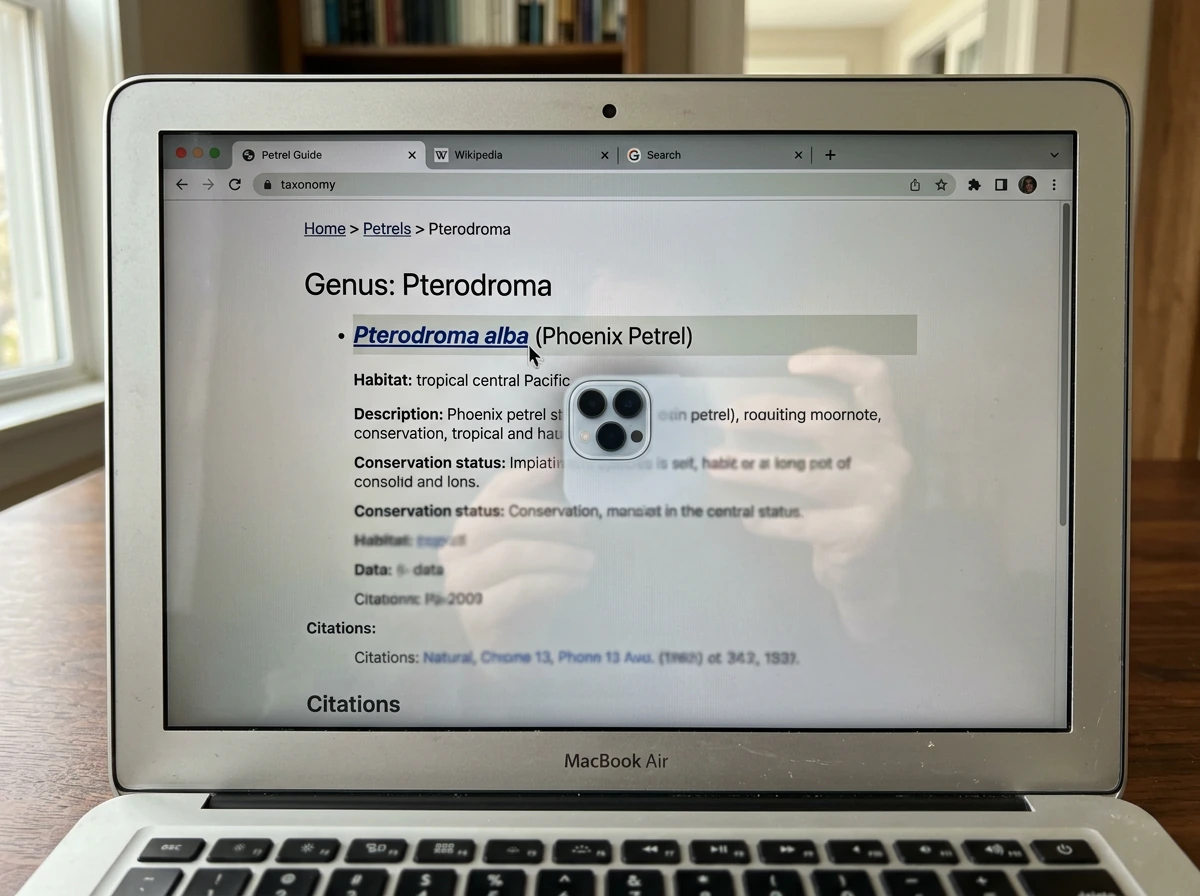
The quickest way to verify: look up the name in a taxonomy database like Birds of the World, ITIS, or the U. ITIS’s record for Pterodroma alba also pairs the Phoenix Petrel common name with the binomial Pterodroma alba. S. Fish and Wildlife Service species pages. You should see both the common name (Phoenix Petrel) and the scientific binomial (Pterodroma alba) together on the same entry. If both match what you're looking for, you've got the right bird and the right spelling. This common-name-to-scientific-name cross-check is the standard method birders and researchers use to avoid confusion when a name like "phoenix" could refer to more than one thing.
Spelling out the scientific name correctly
If you need the scientific name for the Phoenix Petrel, it's Pterodroma alba. Here's how to format it correctly in any written context:
- Always italicize the full binomial: Pterodroma alba.
- Capitalize the genus name (Pterodroma) and leave the species epithet (alba) in lowercase, even at the start of a sentence.
- After you've written the full name once, you can abbreviate the genus on second reference: P. alba (still italicized).
- Never capitalize alba, even though it follows the genus name. That's a common mistake.
- In informal writing, like a blog post or a pet name list, it's acceptable to skip italics if formatting isn't available, but the capitalization rules still apply.
This format comes from standard binomial nomenclature conventions used across all of biology, and every major ornithological source including the IOC World Bird List uses it consistently for Pterodroma alba.
Pronunciation mapped to spelling
A big reason people misspell phoenix is that the pronunciation doesn't hint at the letters very clearly. The IPA pronunciation is /ˈfiːnɪks/, and in plain phonetic terms you say it as FEE-niks, two syllables, with the emphasis on the first. Here's how each part of the pronunciation maps to the letters, which is the key to spelling it right:
| Sound you hear | Letters that make it | Why it's confusing |
|---|---|---|
| "F" sound at the start | PH | PH making an F sound is common in Greek-origin words (phone, photo, photo) but still catches people off guard |
| "EE" sound in the middle | OE | The OE vowel combination is uncommon in modern English, so people often want to write just E or EE instead |
| "niks" at the end | NIX | This part is straightforward, but some people add an extra E or drop the I |
The most common misspellings that come from mishearing are: fenix (replacing PH with F and dropping the O), feenix (trying to write out the long EE sound literally), and phenix (an actual historical variant but still not the standard form). Some Redditors also note the older/alternate spelling “phenix” in connection with older dictionary usage and spelling differences blank" rel="noopener noreferrer">phenix (an actual historical variant but still not the standard form). If you remember that PH makes the F sound and OE makes the long EE sound, the spelling clicks into place: PH + OE + NIX = PHOENIX.
Copy and paste these correctly spelled forms
Here are ready-to-use spellings for the most common situations you might need them, whether you're filling in a form, running a search, writing a label, or naming a pet:
| Use case | Correct spelling / format |
|---|---|
| General reference to the mythological bird | phoenix |
| Proper noun or pet name based on the myth | Phoenix |
| Full common name of the real seabird species | Phoenix Petrel |
| Scientific name of the Phoenix Petrel (formatted) | Pterodroma alba |
| Abbreviated scientific name (second reference) | P. alba |
| Search term for bird databases | Phoenix Petrel Pterodroma alba |
For database searches, using both the common name and scientific name together (Phoenix Petrel Pterodroma alba) gets you the most precise results and rules out any phoenix-adjacent results that aren't the species you're looking for.
Your next steps
If you're spelling the word for a crossword, a pet name, or a general reference, phoenix is your answer and you're done. If you meant a different kind of bird, like a cuckoo bird, you can double-check the spelling phrase you need for that specific species phoenix. If you need the real bird species, write Phoenix Petrel and verify it against the Pterodroma alba entry on a taxonomy database like ITIS or Birds of the World. If you need the scientific name formatted correctly, use Pterodroma alba in italics with the genus capitalized. And if you're unsure whether the context is mythological or biological, just check whether the person or source mentioning it is talking about a real, living seabird or a legendary firebird. Those two phoenixes live in very different worlds, even if they share the same spelling.
If you found this helpful, you might also want to check out related spelling guides on this site for other bird names that cause similar confusion, toucan
FAQ
How do you spell phoenix the bird on a form, where capitalization might be checked or limited?
Use phoenix if the field is asking for the common word only, but use Phoenix Petrel if the form expects the full species common name. If there is a separate field for genus or scientific name, do not put “phoenix” there, use Pterodroma alba instead (genus capitalized, species lowercase).
Is “Phoenix” ever correct by itself when referring to the real bird?
Often you should not use it by itself in scientific or bird-watching contexts because it can look like shorthand for the mythological firebird. If you must shorten, Phoenix Petrel is the safer reduced form, or clearly note “Phoenix Petrel” once in the text before using “the petrel” afterward.
What’s the correct spelling if I’m talking about the phoenix bird as a pet name or brand name?
For a pet name or brand, capitalizing Phoenix is usually appropriate, but only capitalize when it is being used like a proper name. The spelling stays phoenix, with the first letter in uppercase if you are treating it as a name.
How do you handle “phoenix” in titles or headings that include the bird name?
If your heading includes the full common name, capitalize both words, for example “Phoenix Petrel Nesting.” If the heading only uses the word as a general reference to the species, keep it lowercase, “Phoenix petrel migration,” and rely on the surrounding words to make the meaning clear.
Can “phenix” be used for the bird species, for example in older notes or citations?
You can keep phenix only if you are quoting or reproducing historical text exactly. For new writing or submissions, use phoenix (Phoenix Petrel for the bird), since phenix is not standard in current English reference sources or taxonomy common-name usage.
What if someone writes “Phoenix petrel” with only one capital letter, is that wrong?
It is not the standard formatting for the full species common name. The recommended style is to capitalize both words in the common name, Phoenix Petrel, especially in identification guides, field notes, and scientific communication.
If the word appears with another adjective, like “phoenix bird species,” should phoenix be capitalized?
If you are not writing the full species name, keep phoenix lowercase in normal sentences. Capitalize only when you are using Phoenix Petrel as the complete common name, for example “Sightings of Phoenix Petrel were recorded.”
How do you quickly confirm the spelling when “phoenix” might mean myth or bird?
Check whether a scientific binomial appears in the same source. If you see Pterodroma alba, you are in the real-bird context (Phoenix Petrel). If there is no taxonomy and the description is about an immortal firebird, it is the mythological phoenix.
What’s the correct spelling when searching databases, should I search “Phoenix Petrel” or just “phoenix”?
Search “Phoenix Petrel” if possible, or pair the common and scientific names together (Phoenix Petrel Pterodroma alba). Searching only “phoenix” can return mythological results or unrelated uses, increasing the chance of selecting the wrong entry.
How do you format the scientific name if I need it in italics?
Write Pterodroma alba with the genus capitalized and the species lowercase, and italicize the full binomial. Do not italicize “Phoenix Petrel” if you are writing the common name, keep it in plain text unless your style guide says otherwise.
Next Article
How to Pronounce Mynah Bird (MY-nah vs my-NAY)
Learn how to pronounce mynah birds word mynah or myna, with syllables, stress, and quick self-check tips.