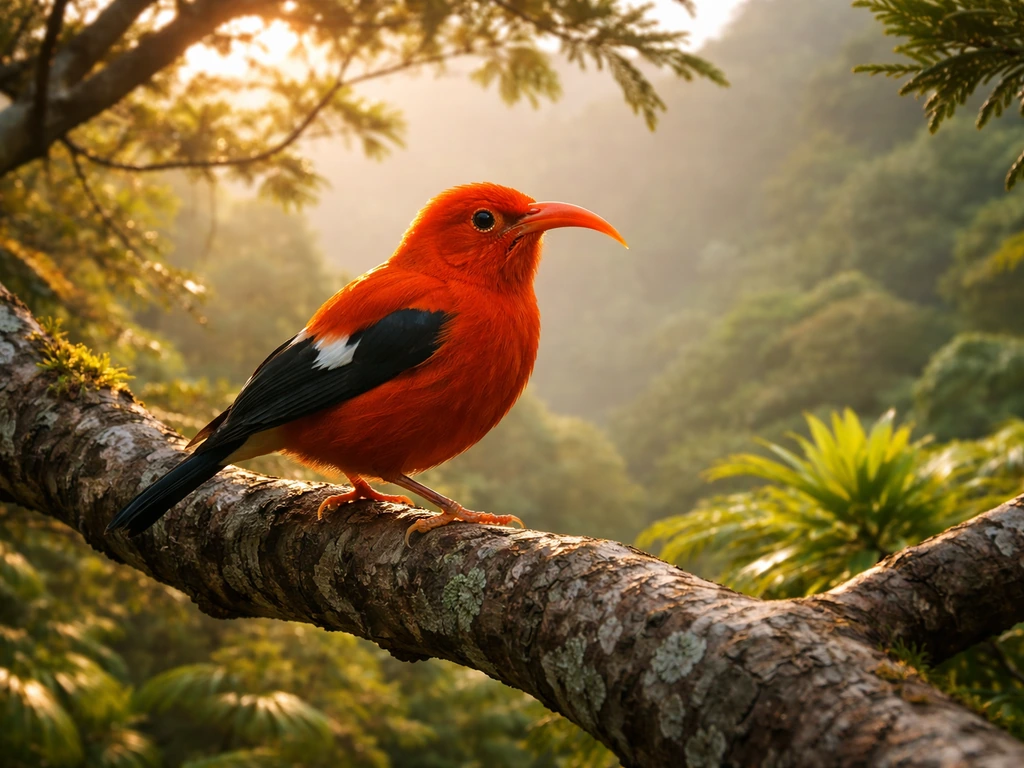
The Hawaiian island known as Bird Island is Moku Manu, a small offshore islet located about 1 mile (1.6 km) north of Mokapu Point on the island of Oʻahu. "Moku Manu" is literally the Hawaiian-language phrase for "Bird Island," so the English nickname is not a coincidence or a loose label, it is a direct translation of the Hawaiian name. If you've seen "Bird Island" on a map, a crossword clue, or a wildlife document tied to Hawaiʻi, Moku Manu off Oʻahu is almost certainly what it refers to.
Which Hawaiian Island Is Known as Bird Island

James Ridgley
22 Apr 2026
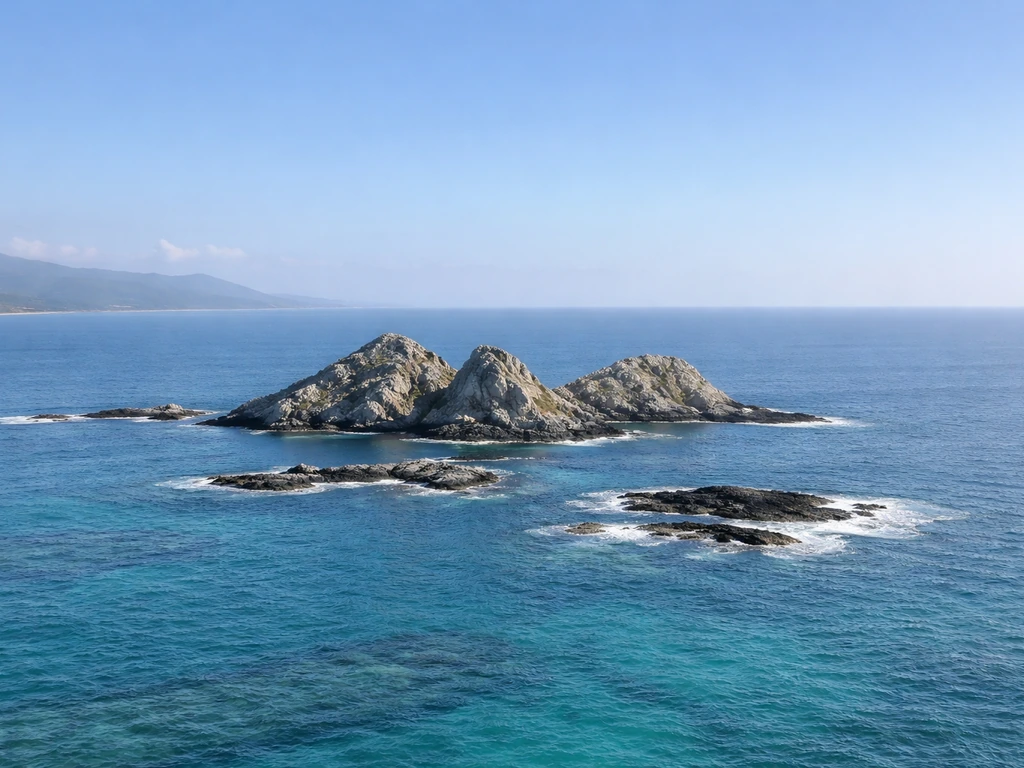
The island: Moku Manu off Oʻahu
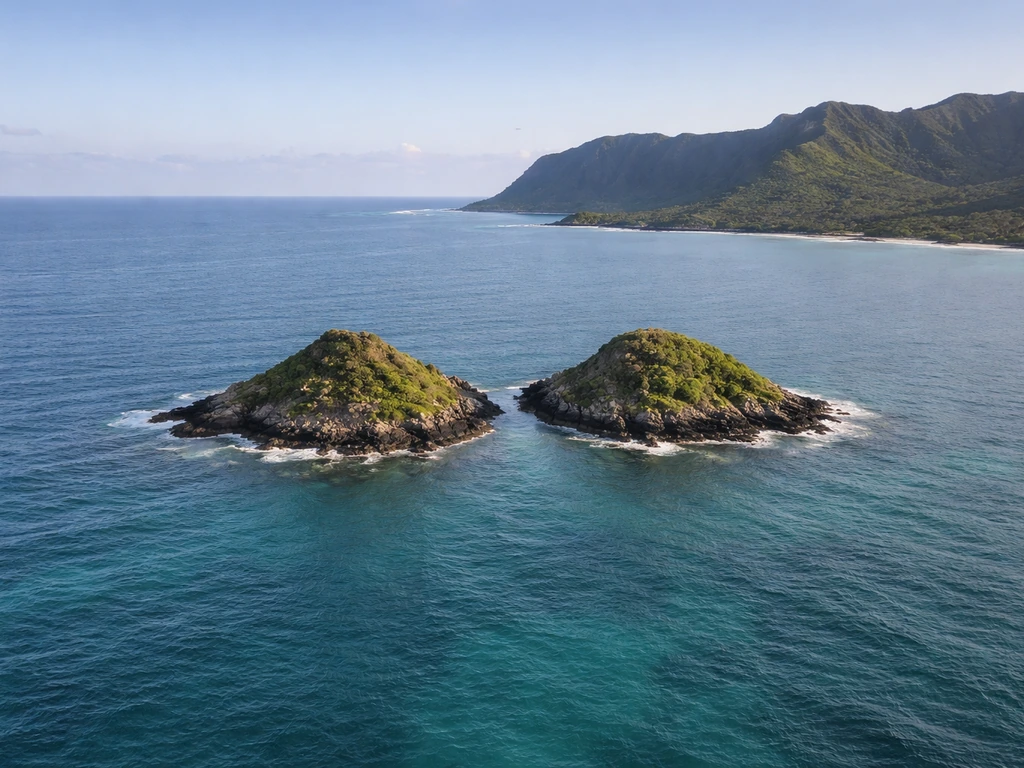
Moku Manu is technically a pair of small islets sitting off the Mōkapu Peninsula on Oʻahu's windward side. Britannica describes it as a twin-isle refuge and specifically calls out terns and man-o'-war birds as residents. NOAA goes further, noting that Moku Manu hosts one of the largest populations of petrels and noddies in the entire Hawaiian Island chain. That ecological profile is exactly why the name stuck: this place is overwhelmingly defined by birds.
The islets are managed as a closed seabird sanctuary. Hawaiʻi's Department of Land and Natural Resources (DLNR) lists the Moku Manu islets specifically under its Oʻahu Offshore Islet Seabird Sanctuaries program, and Hawaiʻi Administrative Rules (Chapter 126, Honolulu County) formally designate them as a restricted wildlife area. A Reddit thread for visitors also notes that access to Oʻahu offshore islet sanctuaries with off-limits bird sanctuary islets includes Moku Manu and points readers to DLNR offshore islet guidance for the access rules Moku Manu and DLNR offshore islet guidance. USGS research from 2019 also identifies Moku Manu Islet as one of the important seabird breeding sites across the main Hawaiian Islands. In short, this isn't just a nickname, it's a living, ecologically significant place with real regulatory status.
Why it's called Bird Island: the naming context
In Hawaiian, "moku" means a small island or land division, and "manu" means bird. In Japanese, the word for bird is とり (tori) bird in japanese. Put them together and you get Moku Manu, or Bird Island in plain English. The Papahānaumokuākea Marine National Monument uses this exact framing in its naming-context materials, explaining how "moku" functions as a geographic descriptor in Hawaiian place names. So the name isn't poetic or metaphorical, it's descriptive geography, the Hawaiian equivalent of naming a hill "Stony Ridge" because it's stony.
The ecology completely backs this up. Moku Manu's seabird colonies are dense enough that the U.S. Army Corps of Engineers labels it "Bird Island" on at least one map document alongside the Hawaiian name. NASA Earth Observatory also references Moku Manu among the seabird-rich islets off the Mōkapu Peninsula. When government agencies, conservation bodies, and mapping authorities all reach independently for the same English translation as a working label, the connection is clearly well-established.
How to verify the identification yourself
If you want to confirm this for your own research, puzzle, or curiosity, here are the most reliable ways to check:
- Search Google Maps or USGS geographic databases for "Moku Manu" and confirm coordinates near Mokapu Point, Oʻahu. The USGS maintains multiple identifiers and media for Moku Manu as an official geoscience record.
- Check Britannica's entry for Moku Manu, which directly labels it "Bird Island" and gives the 1-mile distance from Mokapu Point as a geographic anchor.
- Look up the Hawaiʻi DLNR Oʻahu Offshore Islet Seabird Sanctuaries list, which includes a dedicated page for Moku Manu in an official wildlife-management context.
- Review the NOAA Marine Debris Program's "Ancient Names Remembered" material, which states plainly that Moku Manu means "bird island" and describes its petrel and noddy populations.
- Cross-check a USACE map document that labels the feature as both "Moku Manu" and "Bird Island," giving you dual-name verification from a federal source.
The National Park Service also publishes Hawaiian place-name pronunciation guides for Hawaiʻi that can help you verify how the name is intended to be read and rendered, which is useful if you're citing it in writing or looking it up under variant spellings.
The Nīhoa complication: a real source of confusion
Here's where things get genuinely tricky. Nīhoa, a small and remote island in the Northwestern Hawaiian Islands, is also documented as having "Bird Island" as a historical nickname. A Papahānaumokuākea management document states directly: "Another historical name for Nihoa is MokuManu, or 'Bird Island.'" A Native Hawaiian cultural working group also uses the phrasing "Nihoa moku manu" in cultural materials, linking both place names together.
So you can have two Hawaiian islands connected to the same English nickname and even the same Hawaiian phrase. The distinction matters depending on your context. If you're looking at an Oʻahu map or a seabird sanctuary document, the reference is almost certainly Moku Manu (the islets off Mokapu Point). If you're in a Northwestern Hawaiian Islands or Papahānaumokuākea context, "Bird Island" might be pointing to Nīhoa. Always check the geographic and document context before assuming.
"Bird Island" shows up everywhere: avoiding the global mix-up
"Bird Island" is one of those place names that humans have slapped onto coastal bird habitats all over the world, completely independently of each other. Some of the most commonly confused non-Hawaiian "Bird Island" locations include:
- Bird Island, Namibia: a well-known coastal landmark in southern Africa, completely unrelated to Hawaiʻi
- Bird Island, Juneau, Alaska: a recognized U.S. island name that can appear in American geography searches
- Bird Island, Massachusetts: a New England coastal island that sometimes surfaces in map or puzzle queries
- Bird Island, Marin County, California: a Pacific Coast location that can generate confusion when searches aren't geographically filtered
If you're searching specifically for the Hawaiian one, always include "Hawaiʻi" or "Oʻahu" in your search, or look for the Hawaiian name Moku Manu, which narrows results immediately. Using the English-only label "Bird Island" without a geographic qualifier is a reliable way to land on the wrong island entirely.
Pronunciation and naming notes for Moku Manu
Hawaiian pronunciation follows consistent rules once you know them, and Moku Manu is a good example. Each syllable is its own distinct beat, and vowels are always pronounced cleanly:
| Name | Pronunciation guide | Notes |
|---|---|---|
| Moku Manu | MOH-koo MAH-noo | Equal stress on each syllable; the "o" in Moku is like the "o" in "go," not "mock" |
| Nīhoa | NEE-hoh-ah | The macron over the ī signals a lengthened vowel; written Nihoa without the macron in older sources |
| Mōkapu | MOH-kah-poo | The macron on the ō lengthens that vowel; the reference point for Moku Manu's location |
One important spelling note: you may see Moku Manu written as one word (MokuManu) in some historical documents, including the Papahānaumokuākea materials referenced above. This is the same place, not a separate name. Similarly, Nīhoa appears as Nihoa in older texts because diacritical marks (the macron, called a kahakō, and the glottal stop, called an ʻokina) were often dropped in historical English-language records. If you're searching databases or maps and not finding results, try dropping the diacritics and see if that surfaces more options.
For anyone drawn to bird-related language and naming, Moku Manu is a tidy example of how bird names and place names intersect. The island is literally named after its birds, the same way ornithologists name species after a defining characteristic. That pattern of descriptive naming shows up across languages: if you've explored how the word for bird works in Hawaiian or other languages, you'll notice that "manu" (bird in Hawaiian) anchors place names, species names, and cultural references all at once. For more on this, see our guide on how to say bird in Hebrew. If you are trying to learn the word for bird in Hawaiian, remember that "manu" is the key term in Moku Manu. If you want to learn the Korean word for bird next, use this guide on how to say bird in korean manu. It's the same naming instinct, just applied to geography instead of taxonomy.
The quick-reference version
To pull it all together cleanly:
- The Hawaiian island (islet) called Bird Island is Moku Manu, off Oʻahu near Mokapu Point
- Moku Manu literally means "Bird Island" in Hawaiian (moku = island, manu = bird)
- It is a seabird sanctuary with major colonies of petrels, noddies, terns, and man-o'-war birds
- Nīhoa in the Northwestern Hawaiian Islands is a secondary source of "Bird Island" confusion, historically also called Moku Manu in some documents
- Verify using USGS geographic records, Britannica, NOAA, or DLNR sanctuary documentation
- Pronounce it MOH-koo MAH-noo, with clean equal syllables
- Do not rely on "Bird Island" as a search term alone; add "Oʻahu" or use the Hawaiian name to avoid global mix-ups
FAQ
How can I confirm whether “Bird Island” refers to Moku Manu or Nīhoa?
If you are looking at maps, the surest check is location relative to Oʻahu’s Mōkapu Peninsula and Mokapu Point. Moku Manu is a pair of small islets about 1 mile north of Mokapu Point, while Nīhoa is far in the Northwestern Hawaiian Islands. If the coordinates or the nearby named feature mention Mōkapu or Mokapu, it is almost certainly the Oʻahu Bird Island (Moku Manu).
Can I visit Bird Island (Moku Manu) in person?
Because Moku Manu is designated as a closed seabird sanctuary with restricted wildlife area rules, visitors generally should not approach the islets or land there without explicit authorization. If you are planning a trip, use official Oʻahu Offshore Islet Seabird Sanctuaries guidance and avoid assuming that “island” means “public place you can visit.”
Why do I see multiple spellings like MokuManu or Nihoa when researching Bird Island?
Yes, the name can appear in different spellings, most commonly MokuManu (one word) and Nihoa (without diacritics). When searching databases, try both versions, also try with and without macrons (kahakō) and ʻokina, and search for both “Bird Island” and the Hawaiian name. This is especially important when older documents omit diacritics.
Is “Bird Island” always the same place in Hawaiian references?
Some resources use “Bird Island” as an English descriptor without stating the Hawaiian name, so the English term alone is ambiguous. Your best practice is to treat “Bird Island” as a generic label, then confirm using at least one anchor detail: Hawaiian name (Moku Manu or MokuManu), nearby geography (Mōkapu Peninsula or Mokapu Point), or the region (Oʻahu vs Northwestern Hawaiian Islands).
What is the best way to cite “Bird Island” without confusing it with the other Hawaiian island?
In writing and citations, include the Hawaiian name when possible (Moku Manu for Oʻahu, Nīhoa for the Northwestern Islands). If you must use the English nickname, add a geographic qualifier like “off Mokapu Point, Oʻahu” or “Nīhoa (Northwestern Hawaiian Islands)” so readers do not confuse two different islands that share the same English nickname.
Do the rules and conservation programs differ between Moku Manu and Nīhoa?
Even though both are linked to “Bird Island,” they are different habitats and jurisdictions. Moku Manu is managed under Oʻahu Offshore Islet Seabird Sanctuaries, while Nīhoa is handled through Northwestern Hawaiian Islands contexts under Papahānaumokuākea materials. If your goal is wildlife viewing, research, or compliance, match your permissions and rules to the correct island and program.
Next Article
How Do You Say Bird in Hawaiian: Word, Pronunciation, Examples
Say bird in Hawaiian with correct spelling, diacritics, easy pronunciation, and ready-to-use example sentences.