What a homophone actually is
A homophone is a word that sounds exactly like another word but has a different meaning, spelling, or both. Merriam-Webster defines it as a word "pronounced alike" with another word but differing in meaning, derivation, or spelling. Cambridge puts it even more simply: "a word which is pronounced the same as another word, but which has a different meaning or spelling." The classic classroom example is <em>to</em>, <em>too</em>, and <em>two</em>: three completely different words that all sound identical in speech. That is the test. Not similar. Not close. Identical. If you can swap one word for another in audio and no one can tell the difference, they are homophones. If there is any detectable difference in sound, you are dealing with something else, and we will get to that in a moment.
It is worth flagging that homophones can differ in spelling and derivation while still being pronounced alike, which means a word does not need to look different to qualify. The spelling difference just happens to be the most obvious marker in everyday use. When people ask about bird homophones meaning, they are usually trying to figure out whether a word they heard could be spelled two different ways, which is a genuinely practical question in crosswords, transcription, and pet naming.
So does "bird" have a homophone?
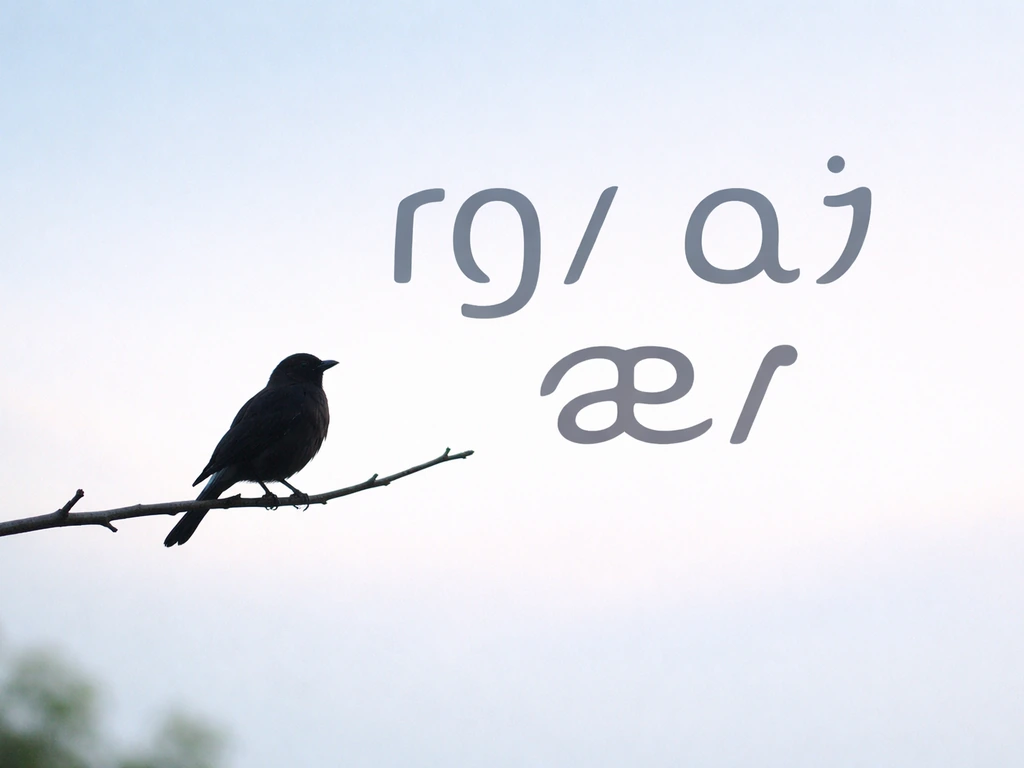
Yes, technically, though the homophones of "bird" are not common everyday words. The standard English pronunciation of <em>bird</em> is /bɜːd/ in British English and /bɝd/ in American English (that second symbol just means a rhotic, or r-colored, vowel). Those two transcriptions represent the same underlying sound adjusted for accent. Cambridge lists the UK form as /bɜːd/, Collins confirms both /bɜːd/ for British and /ˈbɜrd/ for American, and BBC Learning English uses the same /bɜːd/ mapping in its pronunciation materials.
Given that pronunciation, Merriam-Webster lists <em>burd</em> as a homophone candidate for <em>bird</em>, and Homophone. Merriam-Webster includes an entry for “burd,” supporting it as a distinct word that can function as a “bird” sound-alike in wordplay. com goes a step further, identifying <em>bird</em>, <em>burd</em>, and <em>burred</em> as a matching set. <em>Burd</em> is an archaic or dialectal word for a young woman or a maiden (it shows up in old Scottish poetry). <em>Burred</em> is the past tense of <em>burr</em>, meaning to pronounce with a burr or rough r-sound. Neither word comes up in normal conversation, which is why most people would say <em>bird</em> has no common homophone, and that answer is practically correct even if it is technically incomplete.
Near-homophones vs the real thing
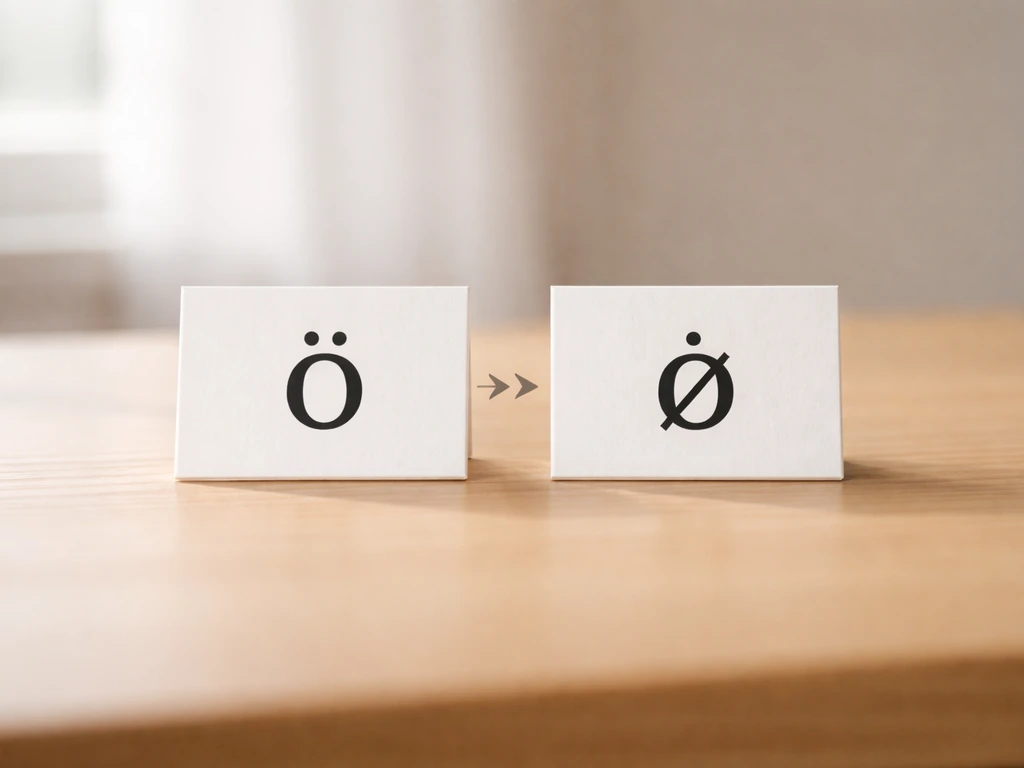
Here is where it gets interesting, especially for anyone working across accents. Wikipedia notes that in some English varieties, the vowel sounds in words like <em>bud</em> and <em>bird</em> can merge, making them near-identical for certain speakers. That is not a standard merger in mainstream American or British English, but it is a real phonological pattern in some dialects. If you heard two speakers, one from a dialect with that merger and one without, you might get different answers about whether <em>bird</em> and <em>bud</em> are homophones. They are not in standard English, but accent-driven near-mergers are worth knowing about.
The technical term for words that are close but not identical in sound is <em>paronym</em>. Paronyms are similar-sounding words that differ slightly in pronunciation, spelling, or meaning. They trip people up constantly in transcription, spelling tests, and crossword clues. Think of <em>affect</em> and <em>effect</em>, or <em>complement</em> and <em>compliment</em>. They are not homophones, but they are close enough to cause confusion. When someone thinks <em>bird</em> sounds like another word they cannot quite pin down, they are usually chasing a paronym, not a true homophone.
How to check pronunciation and confirm true homophones
The most reliable method is IPA: the International Phonetic Alphabet. If two words share an identical IPA transcription (including stress), they are homophones. Cambridge explicitly uses IPA symbols across all its dictionary entries to show pronunciation, so it is a solid starting point. Look up both words, compare the full IPA string including stress marks, and if they match exactly, you have a homophone pair. If they differ by even one symbol, you have paronyms at best.
Here is a simple three-step test you can run yourself:
- Look up both words in a single dictionary (Cambridge, Merriam-Webster, or Collins all work) and compare the IPA or pronunciation transcription symbol by symbol.
- Use the audio playback feature that most online dictionaries include. Play both words back-to-back. If you cannot hear any difference, that is a strong signal they are homophones in that accent.
- Test in a sentence: read a sentence aloud swapping one word for the other. If the meaning changes but the sound does not, you have confirmed a homophone pair.
One thing worth knowing: Merriam-Webster's pronunciation guide explains that its transcriptions represent standard pronunciation variants rather than a single rigid form, so small differences in a dictionary's notation do not always mean the words sound different in practice. When in doubt, the audio button is your friend. For <em>bird</em> specifically, the IPA check is quick: /bɜːd/ in British, /bɝd/ in American, and the only words matching that pattern are the archaic <em>burd</em> and the uncommon <em>burred</em>.
Homophones in bird naming and wordplay
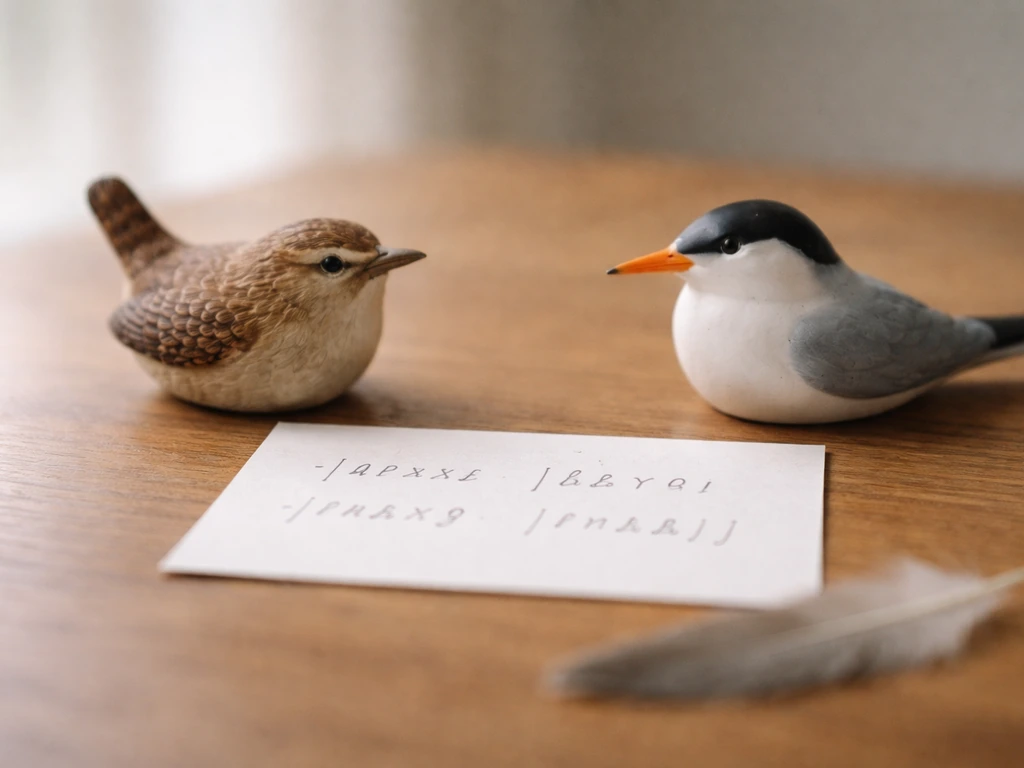
If you are here because of a crossword, a word puzzle, or you are naming a pet and want something clever, the more useful question is often not "does the word <em>bird</em> have a homophone" but rather "does this specific bird name have a homophone?" That is a word-by-word question, and the answers vary a lot.
Take a few common bird names as examples. <em>Wren</em> is pronounced /ren/ (Cambridge confirms this), which means it sounds identical to the name <em>Ren</em>. That is a genuine homophone, and it is why Wren works so well as a pet name with a built-in pun. <em>Robin</em> is /ˈrɒbɪn/ in British English and /ˈrɑːbɪn/ in American, and it does not have a common standard English homophone, though it shares sound with the given name Robin, which is the same word anyway. <em>Lark</em> is /lɑːk/ in British and /lɑːrk/ in American (Collins lists both), and it has no standard homophone, though it does share spelling and sound with the informal noun meaning a fun adventure, which makes it a great pun but not technically a homophone situation since the bird and the adventure are the same word.
This is exactly why resources like the Cornell Lab's guides on bird name pronunciations exist: bird names often behave differently from ordinary vocabulary words because they include archaic English, Latin-derived scientific names, and borrowed terms from other languages. The word <em>bird</em> itself is a native English word with Germanic roots, but many species names are not, which affects how and whether homophone relationships exist. If you are curious about the Greek and Latin building blocks behind bird names, looking into words with ornith meaning bird gives you a useful foundation for understanding why those names sound the way they do.
One more angle worth mentioning: if you are trying to find a synonym rather than a homophone, those are genuinely different things. A homophone sounds the same but means something different. A synonym means the same but may sound completely different. Occasionally people conflate the two when hunting for wordplay material, especially in creative writing or pet naming. If you want a word that means bird but sounds nothing like it, that is a synonym question. For example, if you have ever wondered about a bird that is a synonym for nuts, you are squarely in synonym territory, not homophone territory.
A quick look at common bird-name homophone scenarios
| Bird name | IPA (British) | True homophone? | Notes |
|---|
| bird | /bɜːd/ | burd, burred | Both rare/archaic; no common everyday homophone |
| wren | /ren/ | Ren (name) | Genuine homophone with the given name Ren |
| robin | /ˈrɒbɪn/ | None standard | Shares sound only with the same word used as a given name |
| lark | /lɑːk/ | None (same word) | The informal noun 'lark' is the same word, not a homophone |
| jay | /dʒeɪ/ | j (letter name) | The letter J is pronounced identically in most accents |
How to find and confirm homophones right now
If you need to verify whether any two words are homophones today, here is the practical workflow that works consistently across accents and word types:
- Start at Cambridge Dictionary or Merriam-Webster and pull up both words. Compare IPA transcriptions. If both symbols and stress marks match, you have a homophone pair.
- Use the audio playback on those same pages. Cambridge and Merriam-Webster both offer native-speaker audio, and Collins often provides both British and American recordings. Play each word and compare.
- For bird-specific names, check the Cornell Lab's pronunciation resources or the International Ornithologists' Union sound dictionary for scientific names, since those names follow Latin and Greek stress rules that standard dictionaries may not handle well.
- If you are in a dialect situation (you heard something that sounded like a homophone but a dictionary disagrees), look up the phonological patterns for that accent specifically. Wikipedia's articles on rhoticity in English and vowel changes before historic /r/ are useful starting points for understanding why accents produce different near-homophones.
- For crossword and word puzzle use, Homophone.com is a dedicated lookup tool that lists known homophone sets directly. It confirmed the bird/burd/burred set and is searchable by word.
- If you are unsure whether you are dealing with a homophone or a near-homophone (paronym), the IPA test is definitive. Any symbol difference, no matter how small, means the words are not true homophones in that accent.
One last thing: grammar and word class do not affect homophone status. Is bird a noun? Yes, primarily, though it functions in other roles too. But whether it is a noun, verb, or adjective has no bearing on whether it is a homophone of another word. Homophones are defined purely by sound, not by grammatical function. Keep the two questions separate and you will avoid a very common source of confusion when working through word puzzles or language questions about bird names.