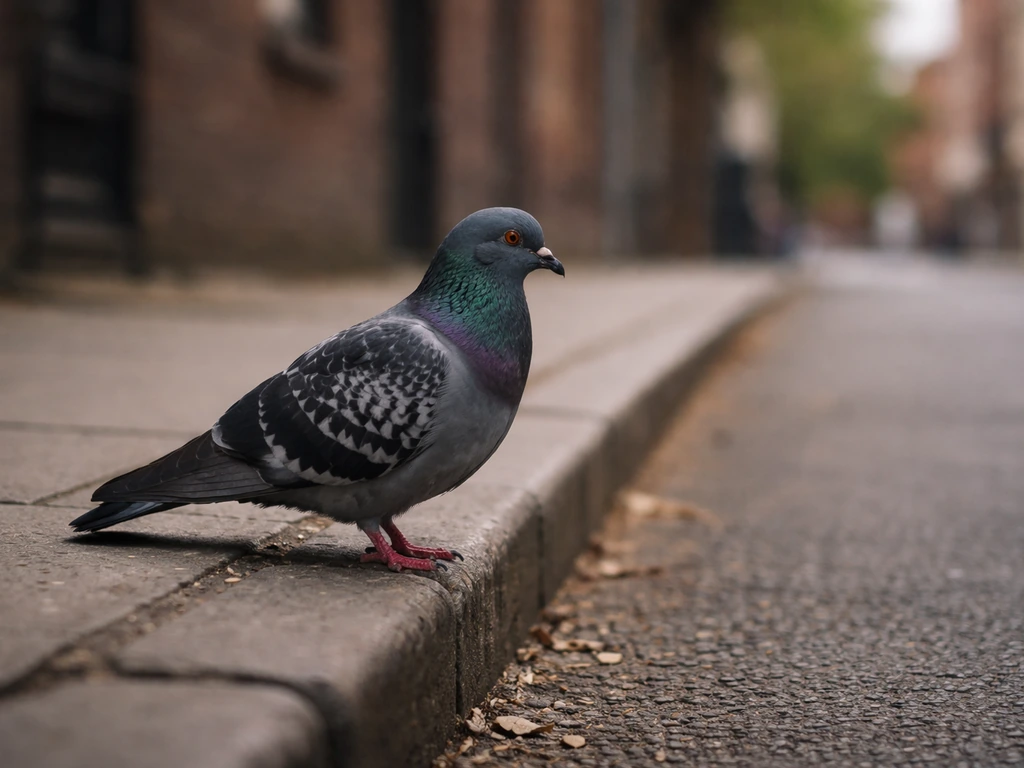
The most likely answer for the crossword clue 'common aquatic bird' is DUCK (4 letters). If the grid gives you seven squares, MALLARD is the strongest candidate. Both answers are well-documented in crossword databases, with DUCK appearing as recently as The Sun 2-Speed Crossword on January 27, 2026. Start with those two, then use your crossing letters to confirm.
Common Aquatic Bird Crossword Clue Answers and Tips

James Ridgley
12 May 2026
What the clue is really asking
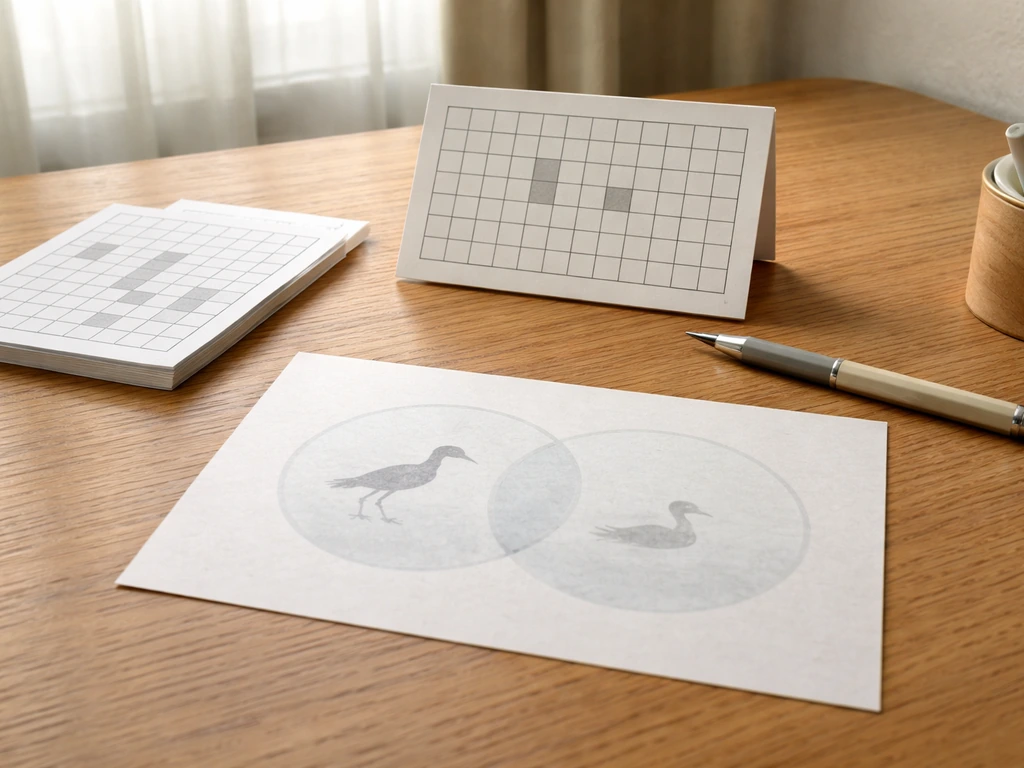
Crossword setters use 'common aquatic bird' and 'common water bird' almost interchangeably. The word 'common' does double duty here: it signals that the answer should be a bird most solvers have heard of, and in some cases it's a direct hint toward a species that literally has 'common' in its official name (the Common Mallard, for instance, is the full name of the bird most people just call a mallard). A Reddit thread in r/birding discusses the implications and usability of species that have “common” in their names, noting that people typically keep their familiar names. So you're looking for a short, widely recognized water bird name, not something obscure like a smew or a bufflehead.
The clue type is a simple definition clue, which means the answer is a straightforward synonym or category match. No wordplay, no anagram indicator, no hidden word. That makes letter count and crossing letters your main tools for narrowing things down.
The most common aquatic birds used as crossword answers
A handful of water bird names appear again and again in crosswords because they're short, familiar, and easy to clue. To narrow it further, you can also look up common marine bird crossword answers by bird type and letter count water bird names. Here are the top candidates for 'common aquatic bird' or 'common water bird,' ranked by how often they show up:
| Bird Name | Letter Count | Notes |
|---|---|---|
| DUCK | 4 | Top answer for this exact clue; The Sun crossword, Jan 27, 2026 |
| MALLARD | 7 | Reported by Crossword Genius for 'common water bird (7)' |
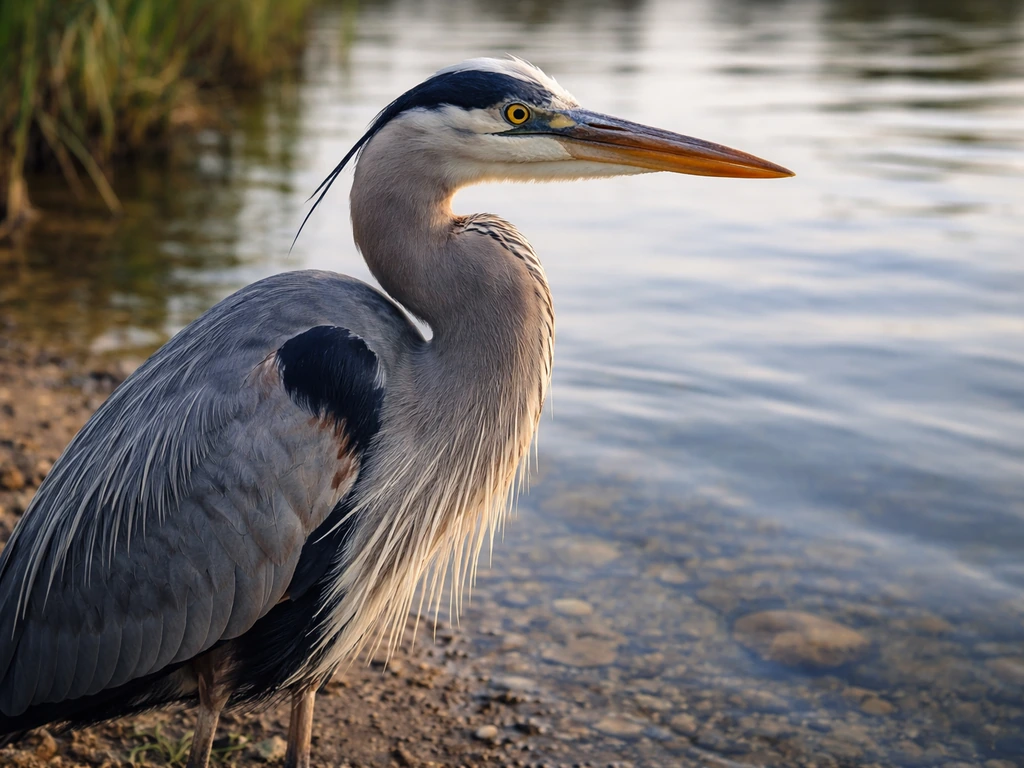
| HERON | 5 | Very common crossword answer; freshwater and coastal |
| EGRET | 5 | Frequent filler; wading/aquatic bird |
| LOON | 4 | Common in North American crosswords |
| GREBE | 5 | Less frequent but plausible at 5 letters |
| COOT | 4 | Short and clue-friendly; 'common coot' is a real species name |
| TEAL | 4 | Duck family; crossword staple at 4 letters |
| MOORHEN | 7 | 7 letters; British crosswords especially |
DUCK and MALLARD are your first two guesses. If neither fits, work down the list using letter count and any crossing letters you already have.
Using letter count and crossing letters to narrow it down
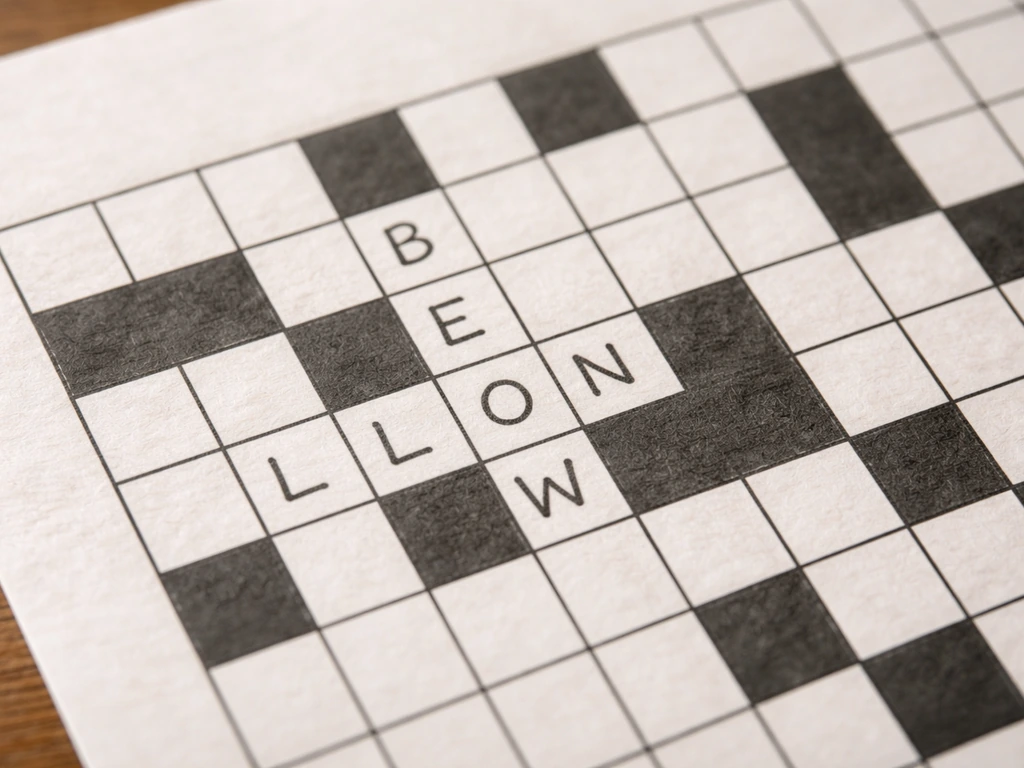
The number in parentheses after a clue, like (4) or (7), is the single most useful piece of information you have. Match it to the list above first. If the clue says (4), your realistic options from the list are DUCK, LOON, COOT, and TEAL. If it says (7), go straight to MALLARD or MOORHEN.
Once you have some crossing letters filled in, check them against each candidate systematically. Here's a quick pattern check for the four 4-letter options:
| Answer | 1st Letter | 2nd Letter | 3rd Letter | 4th Letter |
|---|---|---|---|---|
| DUCK | D | U | C | K |
| LOON | L | O | O | N |
| COOT | C | O | O | T |
| TEAL | T | E | A | L |
If crossing letters give you a U in the second position, DUCK is almost certainly your answer. A double-O pattern in positions 2 and 3 points to LOON or COOT. An E in position 2 locks in TEAL. This kind of positional check usually resolves a 4-letter answer within seconds.
For 5-letter answers, HERON starts with H and ends with N; EGRET starts with E and ends with T; GREBE starts and ends with E. Any one of those crossing constraints will rule out the others fast.
Spelling, variants, and alternative names to watch out for
Spelling is rarely an issue with the top candidates, but there are a few traps worth knowing:
- MALLARD: one L, not two. 'Mallard' not 'Mallerd' or 'Malard.' The double-L comes in the middle: M-A-L-L-A-R-D.
- EGRET: ends in ET, not IT. A common misspelling is 'egrit,' which isn't a word.
- GREBE: ends in E, not EB. Five letters total: G-R-E-B-E.
- MOORHEN: one word, not two. 'Moor hen' as two words sometimes appears in older texts but modern crosswords use the single-word form.
- TEAL: sometimes clued as a color, sometimes as a bird. If the crossing letters don't fit for the bird, check whether the setter meant the blue-green color instead.
- HERON vs HERRON: HERON is the bird (5 letters). HERRON with a double R is a surname, not a bird.
American versus British spelling rarely changes anything here since these bird names are standardized in English. One exception: the bird some Americans call a 'loon' is called a 'diver' (specifically Great Northern Diver) in British English. If you're solving a British crossword and the clue says 5 letters, DIVER is worth considering alongside HERON.
Pronunciation and etymology notes that help confirm spelling
Knowing where a bird's name comes from can prevent misspellings and help you remember the correct form under pressure.
DUCK
Pronounced exactly as it looks: /dʌk/ (rhymes with 'luck'). The word comes from Old English 'duce,' meaning a diver, from the verb 'ducan' (to duck or dive). Simple and unambiguous. No spelling variants exist.
MALLARD
Pronounced /ˈmæl.ərd/ (MAL-erd). The name comes from Old French 'malart' or 'mallart,' meaning a wild drake. The double-L is a feature of the French root, which is why it looks slightly unusual in English. Stressing the first syllable helps you remember M-A-L-L-A-R-D rather than any single-L version.
HERON
Pronounced /ˈhɛr.ən/ (HERR-un). Comes from Old French 'hairon' and ultimately from a Germanic root. The silent second syllable is unstressed, which is why people sometimes want to write 'hern' (an older poetic form) or 'herron.' Neither is used in modern standard crosswords.
EGRET
Pronounced /ˈiː.ɡrɪt/ (EE-grit). Despite sounding like it ends in 'it,' the spelling is always ET: E-G-R-E-T. The name comes from Old French 'aigrette,' the diminutive of 'aigron' (heron). Remembering the French connection keeps you from writing 'egrit.'
COOT
Pronounced /kuːt/ (rhymes with 'boot'). The origin is uncertain but the Middle English form 'coote' is well attested from the 15th century. The species 'Eurasian Coot' has 'common' as an older informal descriptor, which makes COOT a plausible fit if the clue emphasizes 'common. Coots are water-dwelling birds in the genus Fulica, and Britannica identifies the European species as Fulica atra Eurasian Coot. '
How ornithological naming conventions can help you verify
Official bird names from bodies like the International Ornithological Committee (IOC) and the American Ornithological Society (AOS) use standardized English names that crossword setters tend to follow. blank" rel="noopener noreferrer">Ornithology.com notes that the IOC maintains a World Bird List that assigns accepted common English names and that the list began in 2006. If a clue says 'common aquatic bird,' the word 'common' in front of a bird name is often a real part of that bird's official title. Here's how that helps: A related example of a word with an anatomical meaning in another context is cloaca, which is often confused in search queries with bird terms.
- The Mallard's full IOC English name is 'Mallard,' but it was historically called 'Common Mallard' in many field guides. A setter nodding to that usage could be pointing directly at MALLARD.
- The 'Common Loon' is the official AOS name for Gavia immer, so if the puzzle is North American, LOON (4 letters) is entirely on-theme.
- The 'Common Coot' (Fulica atra) is an officially recognized English name. COOT at 4 letters is a genuine fit.
- The 'Common Moorhen' (Gallinula chloropus) gives you MOORHEN at 7 letters.
- The 'Common Teal' (Anas crecca) is another officially named species, making TEAL a viable 4-letter answer.
If you have access to a field guide app like Merlin or an online IOC checklist, you can type 'common' into the search and scan the results for species whose names match your letter count. This is a fast, reliable verification method that goes beyond crossword databases.
What to do if nothing fits so far
If DUCK, MALLARD, and the other top candidates don't match your grid, here are your next steps:
- Double-check the letter count in the grid itself, not just the number in the clue. Counting squares manually catches errors when you've accidentally placed a letter in the wrong spot.
- Look at which crossing letters you're confident about versus which ones are themselves unverified guesses. A wrong crossing answer can make a correct bird name look impossible.
- Consider that 'aquatic bird' is a broad category. A setter could use SWAN (4 letters), IBIS (4 letters), CRANE (5 letters), STORK (5 letters), SNIPE (5 letters), or even RAIL (4 letters) for a less obvious but still valid answer.
- Search the specific clue text plus the letter count in a crossword solver database. The combination of exact wording and length cuts through ambiguity quickly.
- If you're solving a British cryptic crossword rather than a standard quick crossword, the word 'common' might be a wordplay element rather than a descriptor, so re-read the clue for indicators of anagram, hidden word, or reversal.
This same approach works for closely related clues. The puzzle ecosystem has several overlapping bird-category clues including common city bird, common farmyard bird, common marine bird, and common small brown bird, each with their own go-to answers. If your clue wording is slightly different from 'aquatic,' it may belong to one of those categories instead, each of which has its own short list of likely answers.
Quick-reference summary
| Letter Count | Best First Guess | Runner-Up |
|---|---|---|
| 4 | DUCK | COOT, TEAL, LOON |
| 5 | HERON | EGRET, GREBE |
| 6 | SCOTER | WIGEON |
| 7 | MALLARD | MOORHEN |
| 8 | KINGFISH | DABCHICK |
Start with the letter count, try the best first guess, and use crossing letters to confirm or eliminate. In most cases, DUCK or MALLARD will be correct and you'll be done in under a minute.
FAQ
If the clue is “common aquatic bird” but the length is not 4 or 7, what should I do next?
Don’t jump to rare species. Start by listing all candidates in the same “common” water-bird family by length (for example, 5 letters often points to EGRET, GREBE, or HERON, depending on the first and last letters). Then use the crossings to lock at least one position, not just the first letter, because many of these birds share common internal patterns.
The grid has a mix of letters, but none of DUCK, MALLARD, or the common list fits. Could the clue be using “aquatic” loosely?
Yes. Some setters treat aquatic as “water-associated,” which can include birds that are more shore or pond birds than swimmers. If your letters block DUCK and MALLARD, check whether the answers could be a coot or loon-type word based on length, or whether the clue might actually be “common marine bird” or “common water bird” with a narrower short list.
How can I tell whether I’m dealing with “common aquatic bird” versus a similar clue like “common water bird”?
Treat it as the same clue type but adjust for how strict “aquatic” feels in the puzzle. If your crossings make one candidate fit only because it is technically a diver or a shoreline swimmer, try those first. If multiple candidates remain after crossings, prefer the shorter, most widely used everyday name, since “common” usually biases toward solver familiarity.
What are the most common spelling mistakes I should watch for with these answers?
Watch for positional spelling rather than pronunciation. For example, EGRET must be E-G-R-E-T, not a phonetic variant that sounds like it ends with “it.” Similarly, LOON, COOT, and TEAL are straightforward, but mallard and heron are where people often drop or simplify letters under time pressure.
If the answer is MALLARD, how likely is it that the clue is using “common” as part of the official name?
It’s plausible. Several species names include “common” as an informal or older descriptor, and crossword writers sometimes mirror that in clue wording. If the letter count and crossings support a specific “common [species]” match, that specificity is often why setters include the word common.
Can “common aquatic bird” ever be something other than a duck or heron-type word?
Occasionally, yes, especially when the crossing letters force an unexpected short bird name that is still widely recognized. Use the clue length as your anchor, then apply crossings positionally. If you find that only birds that start with a specific letter and end with a specific letter remain (like HERON, EGRET, GREBE), that’s your confirmation route.
In a British crossword, should I consider DIVER when the clue says 5 letters?
Only if the crossings allow D-I-V-E-R positions. “Diver” is a real British alternative to a 5-letter heron-like water bird clue sometimes, so if HERON, EGRET, and GREBE are all blocked but DIVER fits perfectly by letters and length, it becomes the best choice.
What crossing pattern is most useful for quickly solving 4-letter answers?
Use position-specific checks, not just counts. For the main 4-letter options, a U as the second letter strongly favors DUCK, while an E in the second position favors TEAL. If you get matching internal letters that point to LOON versus COOT, the third and fourth positions usually decide it fast.
I don’t have crossing letters yet. What’s the fastest “first try” strategy?
Go straight to the most common high-likelihood pair that matches the length, typically DUCK (4) and MALLARD (7). If neither matches, switch to the next length-based shortlist and commit to the candidate that satisfies the fewest impossible letters given your best guess from the theme of the puzzle (pond, marsh, coast, or lake).
Next Article
Common City Bird Crossword Clue: Likely Answers and Tips
Find the common city bird crossword answer with top candidates, clue tips, and spelling pronunciation to fit your grid l