If you're working a crossword or word puzzle and the clue points to a European bird, the most common intended answers are 'Robin' (starting with R), 'Blackbird' (starting with B), 'Swallow' (starting with S), or 'House Sparrow' (starting with H). BTO’s Swallow bird fact uses Swallow as the English common name and references the scientific name Hirundo rustica Swallow (starting with S). The specific letter depends entirely on which European bird the puzzle means and which version of the name it expects. Most of the time, the answer is R for robin or B for blackbird, because those are the two European species that show up most often in word games and naming puzzles.
What Letter Is a European Bird? Find the Answer Fast

James Ridgley
2 Jun 2026
What the question is really asking
The phrase 'what letter is a European bird?' is almost always one of two things: a puzzle or word-game constraint (what letter does a European bird's name start with?), or a language/nomenclature question (what is the correct first letter of a specific European bird's name, especially when different sources spell or translate it differently?). Occasionally it shows up in alphabet-learning contexts, where someone is asking which letter of the alphabet is associated with a particular bird, similar to 'B is for bird' or 'S is for swallow' style prompts.
There's also a naming-convention angle worth flagging. If a puzzle or reference includes 'European' as part of the bird's full name (as in 'European Robin'), the first letter changes to E. If it drops the geographic qualifier and just says 'Robin,' the answer is R. That small difference trips up a lot of people, and it's exactly the kind of thing that matters when you need the precise letter. The same dynamic applies to the blackbird: 'Blackbird' starts with B, but 'Eurasian Blackbird' starts with E.
The European birds that come up most in puzzles
A handful of European species dominate word games, crosswords, and naming prompts precisely because their English common names are short, well-known, and unambiguous. Here are the main ones, with their first letters and scientific names for reference.
| Common English Name | First Letter | Scientific Name | Also Known As |
|---|---|---|---|
| Robin (European Robin) | R (or E if 'European Robin') | Erithacus rubecula | Robin redbreast |
| Blackbird (Common Blackbird) | B (or E if 'Eurasian Blackbird') | Turdus merula | Common blackbird, Eurasian Blackbird |
| Swallow | S | Hirundo rustica | Barn Swallow |
| House Sparrow | H | Passer domesticus | Sparrow |
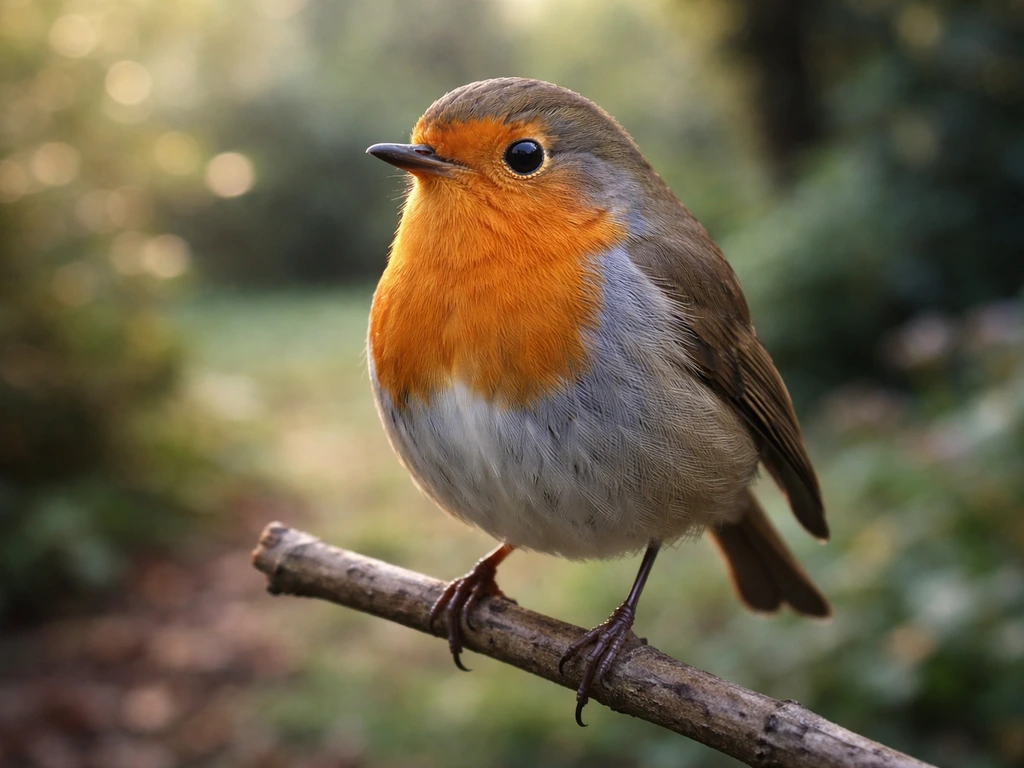
The European Robin (Erithacus rubecula) is probably the single most puzzle-famous European bird. It is distinct from the American Robin (Turdus migratorius), which belongs to a completely different genus. When a puzzle says 'European bird' and the answer involves the letter R, the robin is almost always what's intended. The Eurasian Blackbird (Turdus merula) is the runner-up: called simply 'Blackbird' in everyday British English, it's the bird behind most crossword clues that want B.
How to pin down the first letter in English
The trick with English bird names is that the 'official' common name varies slightly by source. Most authoritative English-language references agree on spelling for the big common species, but the inclusion or omission of a geographic adjective like 'European' or 'Eurasian' can shift your first letter entirely. Here's the practical approach:
- Find the exact name the puzzle or prompt is using. Does it say 'robin,' 'European robin,' or something else entirely? That wording determines the first letter.
- If only the species is implied (not the full name), look up the species on a reliable English-language reference like the BTO (British Trust for Ornithology), All About Birds (Cornell Lab), or BirdGuides using the IOC taxonomy. These sources list the accepted English common name with consistent spelling.
- Note whether the source uses a geographic qualifier. BirdLife DataZone calls Turdus merula 'Eurasian Blackbird' (E), while Woodland Trust, NatureSpot, and BirdGuides IOC all list it as simply 'Blackbird' (B). Cornell Lab's All About Birds also uses 'Eurasian Blackbird.' For puzzles, the shorter 'Blackbird' is the more commonly expected answer.
- For the robin, BirdGuides IOC lists the English name as 'Robin,' while Cornell Lab uses 'European Robin.' The USFWS also uses 'European Robin.' If the puzzle context is British or European, expect 'Robin' starting with R; if it specifies the full name, expect E.
Multilingual naming traps: diacritics and localization
If you're working across languages, the first letter can genuinely change based on which language's name you're using. The French name for the European Robin is 'Rouge-gorge familier,' starting with R, which happens to match English 'Robin' (also R). But the French name for the blackbird is 'Merle noir,' starting with M, while the English 'Blackbird' starts with B and the scientific genus Turdus starts with T. If a puzzle or reference is using a French, German, or Spanish source, you need to confirm which language's name is intended before you commit to a letter.
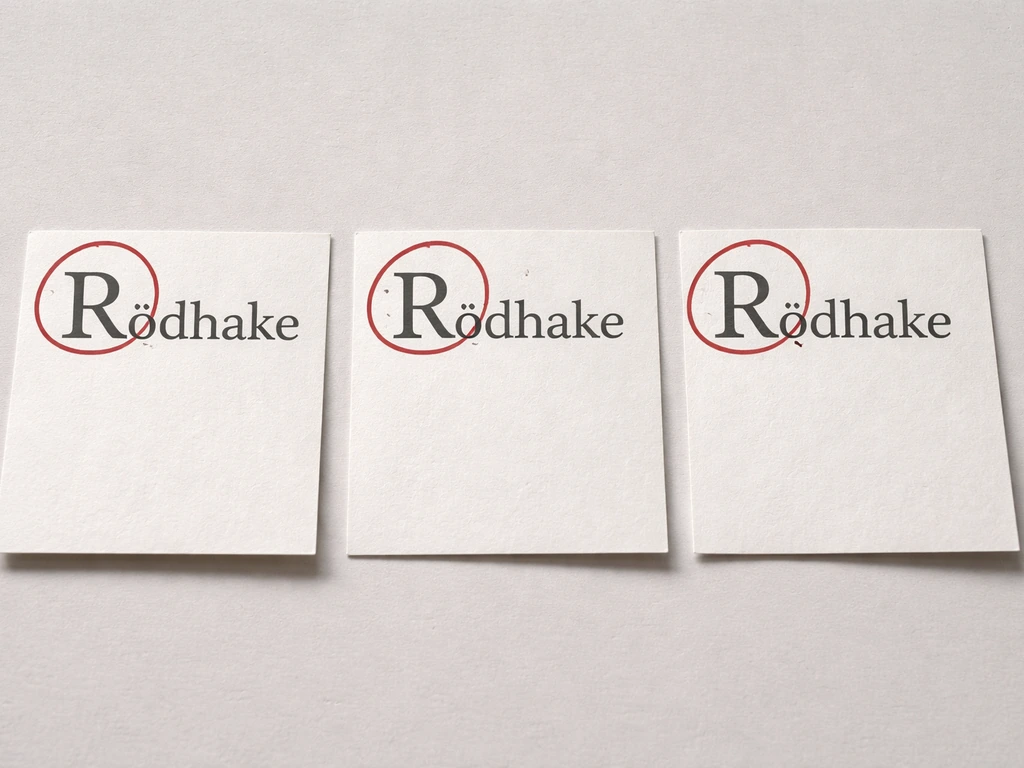
Diacritics can also create spelling confusion. Some European language bird names include accent marks (like French 'Rouge-gorge' or names using umlauts in German) that technically affect alphabetization in those languages. For English-language puzzles, this usually doesn't matter since you'd be using the English common name. But if you're solving a multilingual crossword or a puzzle formatted in another language, check the localized name directly rather than assuming the English first letter applies.
A quick rule of thumb: always confirm the language of the puzzle's intended answer before deciding on a letter. For English puzzles, use the IOC-standard English name or the BTO common name. For puzzles in other languages, look up the native-language common name from a country-specific authority like France's LPO (Ligue pour la Protection des Oiseaux) or equivalent.
Common names vs scientific names: which letter counts?
Scientific (Latin) names almost never match the first letter of the common English name. The European Robin is Erithacus rubecula: E for the genus, not R for 'robin.' The Blackbird is Turdus merula: T for the genus, not B for 'blackbird.' In virtually every word puzzle or naming context, the intended answer uses the common English name, not the scientific one. Scientific names follow a two-part binomial system (genus + species epithet, both italicized), and the genus is always capitalized. So if a puzzle ever asks for the first letter of a bird's 'scientific name,' you need to be clear about whether it wants the genus initial (E for Erithacus) or the species epithet initial (r for rubecula, which is lowercase).
In practice, virtually every bird-naming puzzle or word game is asking about the common name. Stick with that unless the clue explicitly says 'scientific name' or 'Latin name.' The EURING Databank species index is a good verification source if you need to confirm the exact English common-name spelling alongside the scientific classification for any European species.
Narrowing it down when you don't know which bird is meant
Sometimes the puzzle or prompt doesn't name the bird explicitly. It just says 'European bird' and leaves you to figure out which one. Here's how to narrow it quickly:
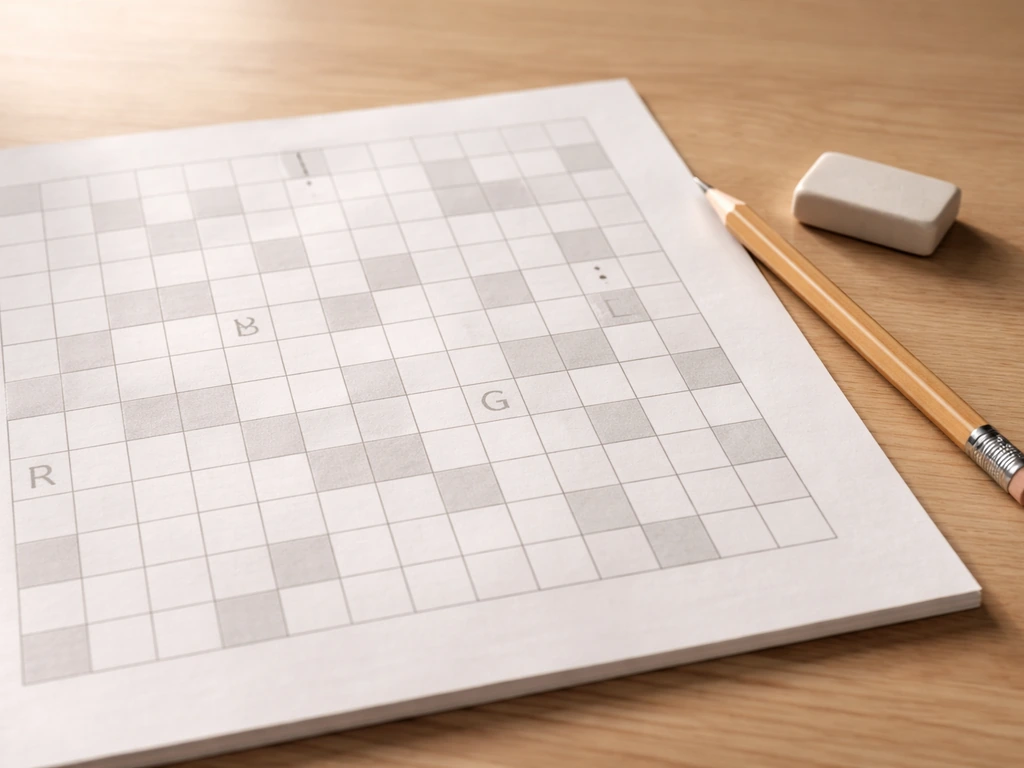
- Check the letter count. If it's a crossword, how many letters are in the answer? 'Robin' has 5, 'Blackbird' has 9, 'Swallow' has 7, 'Sparrow' has 7. That alone often eliminates most candidates.
- Look at the crossing letters. Any letters already filled in from intersecting answers will point you toward the right bird name and its correct first letter.
- Consider the puzzle's difficulty and cultural context. British crosswords heavily favor 'Robin' and 'Blackbird' because those are iconic UK garden birds. If the puzzle is American-made, 'European Robin' (with the geographic qualifier, starting with E) is more likely because American audiences need the distinction from their native 'American Robin.'
- Think about the theme. A puzzle built around letters of the alphabet may be using a bird to represent a specific letter (B for Blackbird, R for Robin, S for Swallow, H for House Sparrow). This connects to the 'B is for bird' and 'S is for bird' style naming conventions that appear elsewhere in naming and language contexts.
- When completely stuck, default to Robin (R) or Blackbird (B). Those are by far the most commonly used European birds in puzzles and naming prompts.
Verify your answer before you commit
Once you have a candidate bird and a candidate first letter, a quick verification takes about two minutes. Here's a short checklist to confirm you've got the right answer:
- Check the exact common name spelling on BTO (bto.org) for British species or Cornell Lab's All About Birds for a broader English-language perspective. Both show the accepted English common name clearly.
- Cross-reference with BirdGuides IOC taxonomy if you want the internationally standardized English name, which is what most modern crossword setters and puzzle databases use.
- If geographic qualifiers matter, check BirdLife DataZone, which uses 'Eurasian Blackbird' and may differ from shorter common names used elsewhere.
- For any European species you're unsure about, the EURING Databank species index lists the accepted English name alongside the scientific name, giving you a clean two-source confirmation.
- If the puzzle involves a language other than English, look up the native-language common name via the relevant national bird authority (LPO for France, NABU for Germany, SEO/BirdLife for Spain) rather than translating from English.
- Double-check whether the puzzle's clue includes the full name with a geographic adjective ('European Robin,' 'Eurasian Blackbird') or the short common name ('Robin,' 'Blackbird'). That single detail determines whether your first letter is E or R/B.
The vast majority of the time, you'll land on R for Robin or B for Blackbird. If you see the prompt "bird plus letter," it usually means you're being asked to identify which bird name and first letter the puzzle intends what does bird plus letter mean. Those two European species cover probably 80% of puzzle scenarios. If your answer is S for Swallow or H for House Sparrow, you're still well within the set of common puzzle birds, just check the letter count and crossings to confirm. Once you identify the European bird name, you can also use the same first-letter idea to decode letters like S for bird-related clues. And if you're ever dealing with a naming or acronym question rather than a spelling puzzle (like what BIRD stands for, or what a letter-initial code means in bird taxonomy), that's a slightly different research path worth exploring separately.
FAQ
In crosswords, does the word “European” change the first-letter answer (for example, European robin vs robin)?
Check whether the clue says “European Robin” or just “robin.” In most word games, “European” (or “Eurasian”) is treated as part of the name, so the answer letter becomes E, otherwise it stays R.
If a clue asks for the first letter of the scientific name, what letter should I use for a European robin?
Many people assume the European robin must be R, but the intended letter changes if the clue explicitly asks for the “Latin name” or “scientific name” initial. In that case, you are usually taking the genus initial (E for Erithacus) or, if it says “species epithet,” then the species initial (r for rubecula).
What mistake happens if I mix up the European robin with the American robin in puzzles?
For European robin, the “American robin” trap is common. The American robin would be Turdus migratorius, so if the clue is not explicitly “European,” you may accidentally pick the wrong bird and therefore the wrong letter initial.
What if the crossword clue or source is in another language, should I still use English letters like R or B?
If the puzzle uses a localized non-English source, the English first letter may be wrong. Example, French names can start with different letters than the English common name, so you should confirm the language of the clue before committing to R, B, E, or M.
The clue gives a bird plus a letter, but they seem inconsistent, what should I do?
If the clue gives both a letter and a bird word, prioritize the bird word. If it contradicts the letter, the puzzle may be expecting an alternate naming form (for example, “Eurasian Blackbird” instead of “Blackbird”), so reconcile the geographic adjective before using the letter constraint.
If the clue only says “European bird,” how do I narrow it down quickly without crossings?
If the prompt is just “European bird” with no other constraints, start by trying R (Robin) and B (Blackbird), then use crossings. If the grid suggests a different length or pattern, move to S (Swallow) or H (House Sparrow) rather than forcing Robin.
Could accent marks or umlauts affect the answer letter for European bird clues?
Don’t rely on diacritics when solving an English-language puzzle. Diacritics matter mainly for alphabetization rules in other languages, but for typical English crosswords you should use the standard English common name spelling.
How can I tell whether “European bird” is a direct bird identification clue or an alphabet-prompt style clue?
When a clue says “bird” rather than a specific bird, it is often an indirect instruction like “S for bird” style alphabet prompts. In that case, the letter is determined by the exact bird word used in the prompt, not by any general rule about European species.
Next Article
S Is for Bird: Common Birds Starting With S
List of common bird names starting with S, with spelling, pronunciation, and quick etymology for puzzles