In bird anatomy, the crop is a muscular pouch located at the base of the neck, just above the chest. It sits along the esophagus and acts as a temporary holding tank for food, softening it before it moves deeper into the digestive system. You can sometimes see it as a visible bulge on the front of a bird's throat after a big meal. If you're a pet bird owner, knowing how a normal crop feels and looks is genuinely useful because crop problems are one of the more common health issues in parrots, pigeons, and backyard poultry.
Crop Meaning in Birds: Anatomy, Digestion, and Care

James Ridgley
30 Apr 2026
What the crop is and where to find it
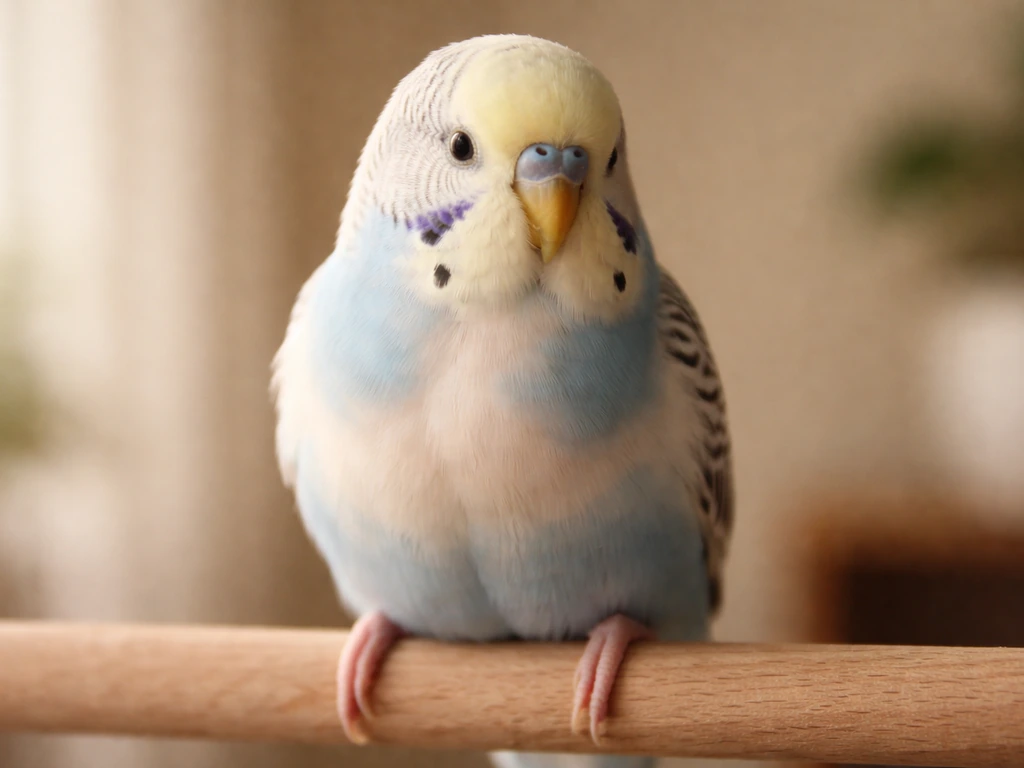
The crop's formal anatomical name is the ingluvies. Merriam-Webster defines it as "a pouched enlargement of the esophagus of many birds" that serves as a receptacle for food and for preliminary maceration (essentially, early softening of food before real digestion begins). Clinically, veterinarians locate it by palpating the base of the neck, just in front of the thoracic inlet, which is the bony entrance to the chest cavity. In practical terms, if you gently feel the front of your parrot's or pigeon's lower neck, you're touching the crop area.
Not every bird has one. Owls, for example, lack a true crop entirely, which is one of the anatomical differences that sets the order Strigiformes apart from other raptors. Most birds of prey do have a well-developed crop, as do parrots, pigeons, doves, and poultry. In the same way that some birds lack a true crop, puzzle clues sometimes point to the phrase “limbless prey for a bird 4 letters meaning.”. The crop is also the origin of "crop milk," the partially digested, regurgitated secretion that some species (pigeons, flamingos, and a few others) feed to their chicks.
How the crop works in digestion
When a bird swallows food, it doesn't go straight to the stomach. It travels down the esophagus and pools in the crop first. There, moisture and mild enzymatic activity begin to soften the food, and the crop regulates how quickly material moves forward. Think of it as a buffer or staging area. Once ready, food passes from the crop further down the esophagus into the proventriculus (the glandular stomach, which adds digestive enzymes and acids) and then into the gizzard (the muscular stomach, which grinds everything up). The crop essentially controls the pace of this entire process.
This is why a healthy crop empties on a regular cycle. In most pet birds, a crop that's full in the evening should be noticeably emptier or completely empty by morning, after the bird has roosted overnight without eating. That morning check is one of the most practical health monitoring habits a bird owner can develop.
Normal vs. abnormal: checking your bird's crop at home
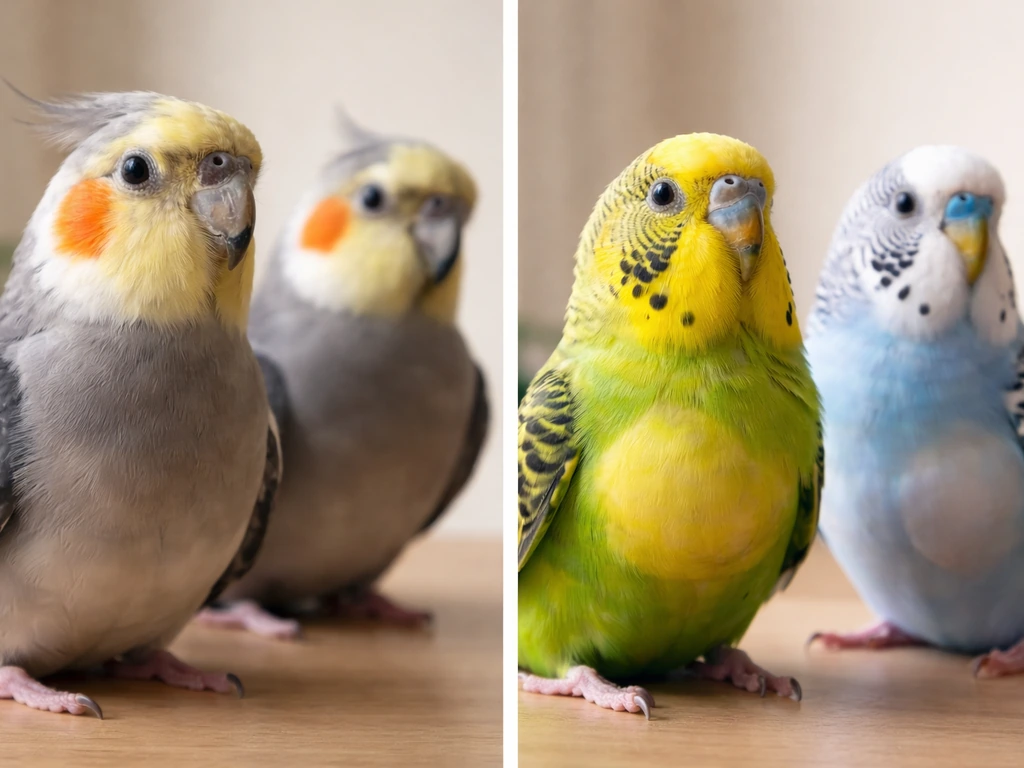
A normal crop feels soft and slightly doughy when full, and flat or barely perceptible when empty. After a meal, you may see or feel a rounded bulge low on the front of the neck. That's completely fine. The key is that it should cycle: fill after eating, then drain down as digestion progresses.
Here's what to watch for as red flags:
- The crop still feels full, firm, or distended first thing in the morning after the bird hasn't eaten overnight. A crop that hasn't emptied in roughly 6 hours or more warrants attention.
- The crop feels fluid-filled or squishy rather than doughy. This can indicate infection or fermentation.
- Regurgitation or repeated vomiting (different from normal social regurgitation in bonded birds). Vomit stuck to feathers around the face or head is a clear warning sign.
- A sour or fermented smell coming from the bird's mouth or crop area, which is a hallmark of "sour crop," caused by yeast (often Candida) overgrowth when the crop fails to empty properly.
- Visible distension of the crop without a recent meal.
- The bird seems depressed, fluffed up, has a poor feeding response, or shows signs of dehydration (like sunken or dull eyes and tacky mucous membranes).
- Labored breathing, open-mouthed breathing, tail bobbing, or a constantly outstretched neck alongside any crop changes. These are emergency signs.
Crop problems have several causes. Bacteria, yeast (including Candida species), and viral diseases can all slow or stop crop motility. In parrots specifically, viral conditions can cause sour crop as a secondary effect. Physical impaction, where foreign material or compacted food blocks emptying, is another common culprit. Baby birds and chicks being hand-fed are especially vulnerable to crop stasis and impaction. Bird-Vet Melbourne explains that crop stasis is when a chick's crop does not empty within 6 hours.
What to do if you suspect a crop problem
The short version: don't try to treat this yourself beyond very basic observation, and don't wait too long to call a vet. Crop problems can escalate quickly, especially in small birds.
- Stop feeding for a short period and observe. If the crop doesn't show any change (still full, still distended) after a couple of hours, that's useful diagnostic information for your vet.
- Keep the bird warm and quiet. Stress makes most avian illness worse.
- Note what you see: when the crop last looked normal, whether there's any regurgitation, any smell, and whether the bird is eating or drinking.
- Contact an avian vet if the crop is still full in the morning, if you see regurgitation or vomiting, or if you notice any swelling around the crop area. One practical guideline: reach out to a vet within about 8 hours of noticing vomiting, regurgitation, or crop swelling.
- Treat it as an emergency and seek immediate care if the bird has labored or open-mouthed breathing, is unresponsive or collapsed, or shows severe distress alongside the crop issue.
Do not attempt to massage, flush, or manually empty a bird's crop at home unless you have been specifically instructed to do so by a vet. Even well-intentioned intervention can cause aspiration (food entering the airway) or injury. And please resist the temptation to start antifungal or antibiotic treatment based on what you read online. As PetMD notes, changes in eating and behavior should be discussed with a vet team before any treatment begins, because the cause matters hugely for choosing the right approach.
How to spell, say, and translate "crop" in a bird context
The word crop, when used for bird anatomy, is spelled exactly as it looks: C-R-O-P. No special variant, no hyphen, no alternative spelling in standard English usage. Merriam-Webster gives the pronunciation as /ˈkräp/ (say it like "krop" with a short, flat "o" sound, rhyming with "drop" or "shop" in American English).
The anatomical synonym craw is worth knowing. It's an older English term for exactly the same structure, and you'll still encounter it in some field guides, farming references, and classic literature. If a bird-care handbook says "craw" instead of "crop," they mean the same organ. The formal Latin anatomical term is ingluvies, which shows up in veterinary and scientific contexts.
In other languages, the bird crop picks up equally colorful terms. In French it's le jabot, in Spanish it's el buche, in German der Kropf, and in Italian il gozzo. That Italian word gozzo also means goiter (the thyroid swelling), which points to an interesting source of confusion: goiter is a human neck swelling caused by thyroid disease, while the crop is a normal anatomical pouch. The visual similarity (both create bulges in the neck region) explains why the terms sometimes get mixed up, but they're completely different things.
The English word crop itself has a fascinating etymological background. Its oldest meanings involved a rounded protuberance or bulge, which is why it was applied to the bird's throat pouch long before it came to mean a harvested field product. Both the anatomy term and the farming term (a crop of wheat) derive from that same root idea of something swelling or gathering. This shared history is why "crop" can feel ambiguous out of context.
When "crop" shows up in bird names and terminology
The word crop doesn't appear often in formal bird species names, but it does show up in compound words and labels that can trip people up. The most notable example is "cropper," a term used in pigeon fancying to describe breeds (Croppers or Pouters) known for their dramatically inflated crop, which they puff out as a display behavior. If you've seen a Norwich Cropper or an English Pouter, the name is literally referencing the bird's enlarged, conspicuous crop. So in bird-breed naming, "cropper" is directly tied to this anatomy.
"Crop" also appears informally as a descriptor in bird-keeping and farming contexts. "Crop-bound" is a common term for a bird whose crop is impacted and cannot empty, and "crop milk" specifically names the regurgitated secretion some species use to feed chicks. In crossword or puzzle discussions, people sometimes refer to “limbless prey for a bird” as a short answer that can also connect to what birds eat limbless prey for a bird 4 letters. These are semi-technical compound terms rather than formal species names, but knowing them helps you parse bird-care literature accurately.
It's worth noting that if you came here from a puzzle or word-game context, crop as a prefix or word element in bird naming is different from the anatomical crop discussed throughout this article. Puzzle clues involving bird-related prefixes or bill terminology (both adjacent topics on this site) are their own separate rabbit holes.
The word crop in bird anatomy is always referring to this specific digestive pouch, not a prefix, not a species identifier, and not a synonym for a beak or bill. If you are also looking at puzzle clues or wordplay, you may be trying to identify a prefix meaning bird or flight with a three-letter form prefix meaning bird or flight 3 letters.
To avoid confusion, you may also be looking at the prefix meaning bird, which shows up in different word games and naming conventions.
Quick reference: crop at a glance
| Aspect | Details |
|---|---|
| Anatomical name | Crop (also: craw, ingluvies) |
| Location | Base of the neck, just above the chest/sternum |
| Function | Temporary food storage; softens food; regulates flow into proventriculus |
| Which birds have it | Most birds including parrots, pigeons, raptors, poultry; owls do NOT |
| Normal appearance | Soft bulge after eating; flat/empty after overnight roosting |
| Red flag signs | Full crop by morning, fluid feel, vomiting, sour smell, distension |
| Pronunciation | /ˈkräp/ (rhymes with 'drop') |
| Synonyms | Craw (English), jabot (French), buche (Spanish), Kropf (German) |
| In bird naming | "Cropper" breeds in pigeons; "crop-bound"; "crop milk" |
If you're a bird owner who noticed something unusual in your bird's neck area and searched "crop meaning bird," you now have a solid foundation. If you're solving a crossword, the prefix meaning bird crossword clue can also help you spot how “bird” is used in puzzle phrasing crop meaning bird.
Check the crop first thing in the morning, know what normal feels like, watch for the red flags listed above, and don't hesitate to call an avian vet if something seems off. If you're also looking for a fun bird-themed challenge, you may enjoy a common origami bird crossword clue. The crop is a resilient organ when problems are caught early, but it can deteriorate quickly when ignored.
FAQ
Is it normal for a bird’s crop to look full all night?
Yes, in many species you can see a crop bulge after eating, but the timing matters. A crop that is still clearly full long after the bird’s usual evening meal, or that never flattens by the next morning, suggests delayed emptying rather than normal variation.
What does an “abnormal” crop feel like compared with a normal one?
Do a gentle, brief check rather than repeated poking. If the crop feels hot, very painful, hard like a firm pouch, or disproportionately large compared with what the bird normally looks like after meals, treat it as abnormal and contact an avian vet.
How can I tell if a crop problem is becoming an emergency?
Some bird owners confuse crop issues with breathing problems. If you hear wheezing, see open-mouth breathing, notice a “wet” sound, or the bird seems to struggle to swallow, that can indicate aspiration or severe upper-airway involvement, and it warrants urgent veterinary attention rather than home monitoring.
Are crop problems more common in hand-fed chicks, and what should I do differently?
Hand-feeding chicks are at higher risk for crop stasis and impaction, especially if feeding volume, temperature, or technique is off. Ask your breeder or avian vet for exact feeding amounts and food temperature targets, and verify the chick’s crop empties on the schedule they expect.
Should I feed more if my bird’s crop seems slow to empty?
Avoid force-feeding or overcorrecting based on appearance. In suspected stasis, giving extra food before the crop empties can worsen distension and increase aspiration risk, so focus on contacting an avian vet promptly.
Can I massage or flush a bird’s crop at home to relieve impaction?
No. Do not try to “massage out” contents, flush the crop, or try to remove blockages at home unless a vet has directed it. Improper manipulation can tear tissue, push material into the airway, or mask the real cause.
What if I suspect yeast or infection, can I start medication myself?
Antifungal and antibiotic use should not be started from online advice. The cause can be bacterial, yeast-related, viral, or physical obstruction, and the treatments differ, so the safest next step is a vet evaluation (often including a physical exam and diagnostics).
Which behavior changes should I watch for, not just crop size?
Sudden changes in posture, refusal to eat, repeated regurgitation, a crop that does not cycle, or lethargy are more concerning than a single visible bulge. Track how it behaves across the day, then report the trend and any feeding details to the vet.
What information should I gather before calling the vet about crop issues?
If you feed timed meals, note whether the crop empties by morning like usual. Also write down what you fed (type and amount), water intake, and whether the bird is on a new diet, since diet shifts and unusual food textures can increase impaction risk.
After my bird recovers, how do I prevent the crop problem from coming back?
If a vet diagnoses a specific cause, follow their recheck plan. Crop motility problems can recur, and some birds need diet or husbandry adjustments, for example reducing very bulky foods or correcting feeding technique, depending on what the vet finds.
Next Article
Prefix Meaning Bird or Flight in 3 Letters: Quick Guide
3-letter bird or flight prefixes explained with etymology and quick solver rules for spelling and clue verification