The English word you need is "bird" (rhymes with "heard" or "word"). Spelled B-I-R-D, it refers to any feathered, winged creature that lays eggs. blank" rel="noopener noreferrer">When you mean more than one, you say "birds." That covers about 90% of what most people are looking for. If you want a quick memory aid, try the playful line "oh say can you say bird" to practice the sound of "bird". The rest of this guide fills in the details: how to pronounce it correctly, when to use related words like "fowl" or "avian," and how to build real sentences you can use right away.
How to Say Bird in English: Spelling, Pronunciation, and More

James Ridgley
2 Jun 2026
Spelling and Pronunciation of "Bird"
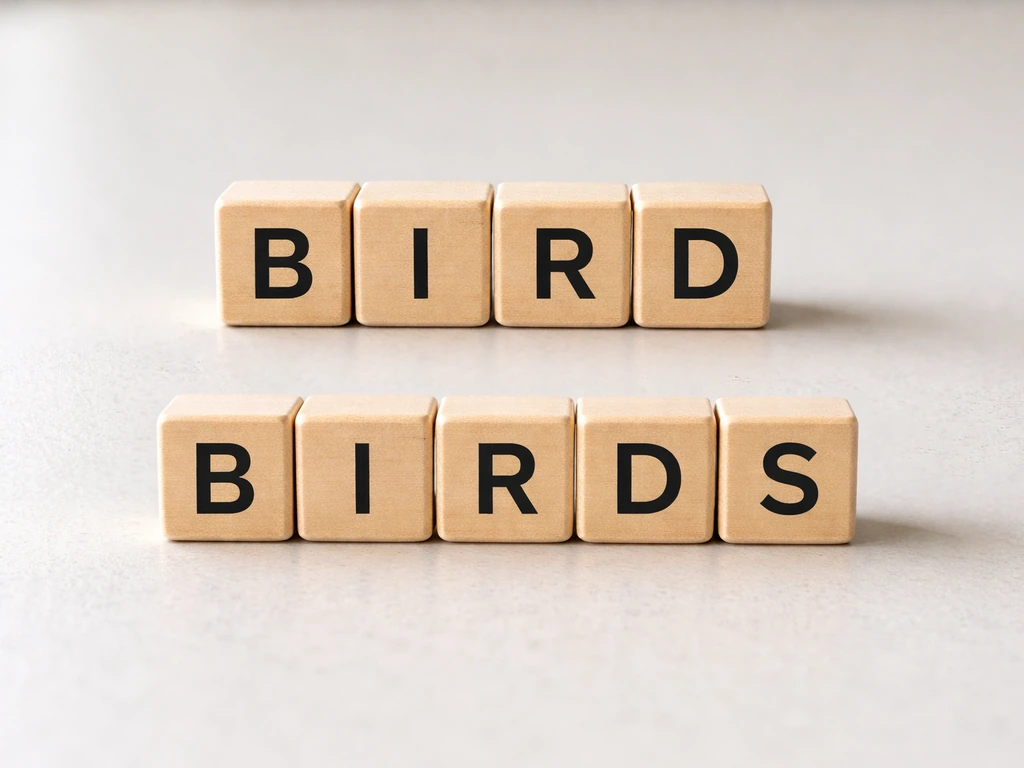
The word is spelled B-I-R-D. No silent letters, no tricky doubles. The plural is simply "birds" (B-I-R-D-S). That's it.
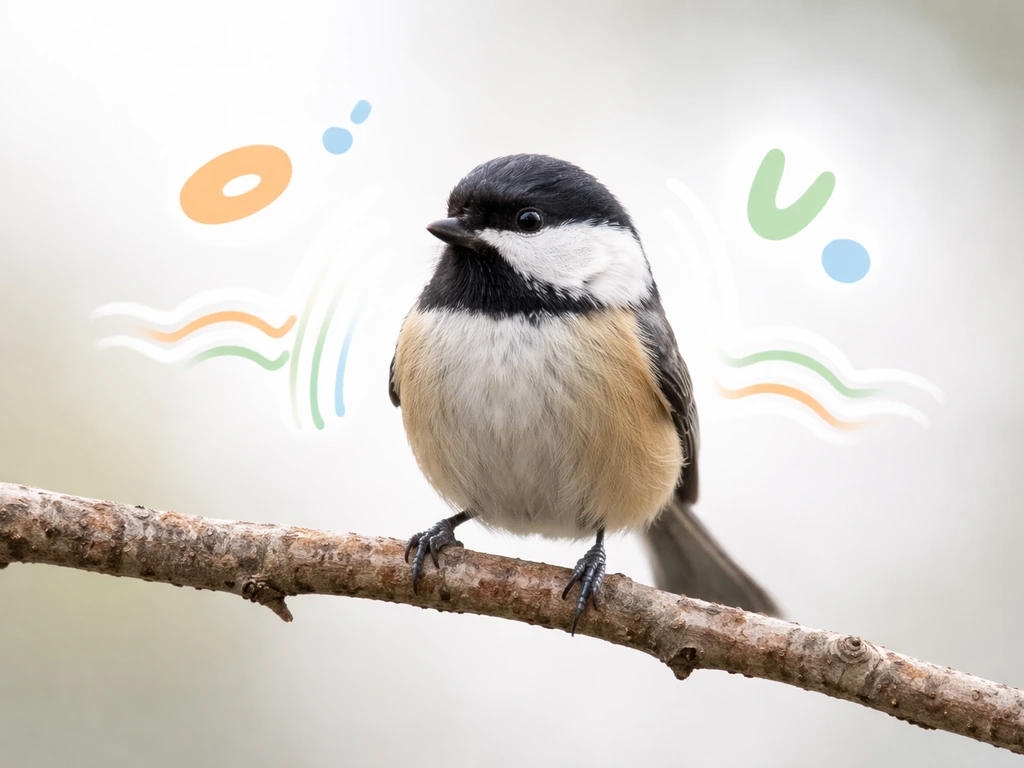
Pronunciation is where many learners trip up. In British English, the IPA is /bɜːd/, which sounds like "berd" with a long, smooth vowel and no hard "r" sound in the middle. In American English, the IPA is /bɝːd/, and here you do roll or color that middle "r" so it sounds like "burd." Think of the words "heard," "word," or "third" and you've got the vowel sound exactly right. Both pronunciations are fully correct; you just match whichever accent you're using.
Common Pronunciation Mistakes
- Saying "beerd" (like "beer" + d): the vowel is shorter and sits in the middle of the mouth, not at the front.
- Saying "bard" (like "hard"): the vowel is wrong; it should be /ɜː/ or /ɝː/, not /ɑː/.
- Dropping the final "d" entirely: English requires you to close the word with a clear /d/ sound.
- Over-stressing a second syllable: "bird" is one syllable only. There is no "bir-id" or "bi-yerd."
A quick trick: say the word "sir" and then add a "d" at the end. In British English that gets you very close. In American English, say "fur" and add a "d." Practice it five times fast and it will feel natural.
Choosing the Right Word for Your Context
"Bird" is the all-purpose, everyday word. But English also has "fowl," "poultry," and "avian," and each one signals a different context. Using the wrong one sounds odd to native speakers, so here is a plain breakdown.
| Word | When to Use It | Example |
|---|---|---|
| bird | Any situation: wild, pet, or general conversation | "A bird landed on my windowsill." |
| birds | Plural of bird; more than one | "I saw five birds at the feeder." |
| fowl | Hunting, cooking, or discussing game birds (ducks, geese, pheasant); also appears in older or formal writing | "We roasted a fowl for dinner." |
| poultry | Domesticated birds raised for meat or eggs (chicken, turkey, duck) | "Eat plenty of fish and poultry." |
| avian | Scientific, medical, or formal writing (adjective meaning "relating to birds") | "Avian flu spread among wild populations." |
In casual speech, "bird" does the job almost every time. You would switch to "poultry" only when you're talking about what's on your plate or in a farmyard. "Fowl" turns up most often in cooking recipes, hunting contexts, or phrases like "wildfowl." "Avian" is an adjective (not a noun), so you can't say "I saw an avian" the way you'd say "I saw a bird." Save it for phrases like "avian species" or "avian influenza" when you want a formal or scientific tone.
How "Bird" Fits Into Everyday English
"Bird" is a straightforward countable noun, which means it works naturally with "a" ("a bird"), "the" ("the bird"), numbers ("three birds"), and adjectives ("a large bird," "wild birds," "caged birds"). You can't really go wrong there. Where it gets more interesting is idioms, and English has a good handful of them.
- "The early bird catches the worm": being first or prompt gives you an advantage.
- "A rare bird": a person or thing that is unusual and hard to find.
- "Birdwatching" (also "birding"): the hobby of observing wild birds in their natural habitat.
- "Bird's-eye view": seeing something from directly above, like a bird in flight.
- "A little bird told me": a playful way of saying you heard something through the grapevine.
- "Kill two birds with one stone": accomplish two things with a single action.
"Birdwatching" is worth calling out because it's a compound word formed directly from "bird," and it's where the hobby community most often hangs out linguistically. You'll also hear "birder" (a person who birdwatches) and "birding" as the gerund form. These all follow naturally from knowing the base word.
Going From "Bird" to the Specific Bird You Saw
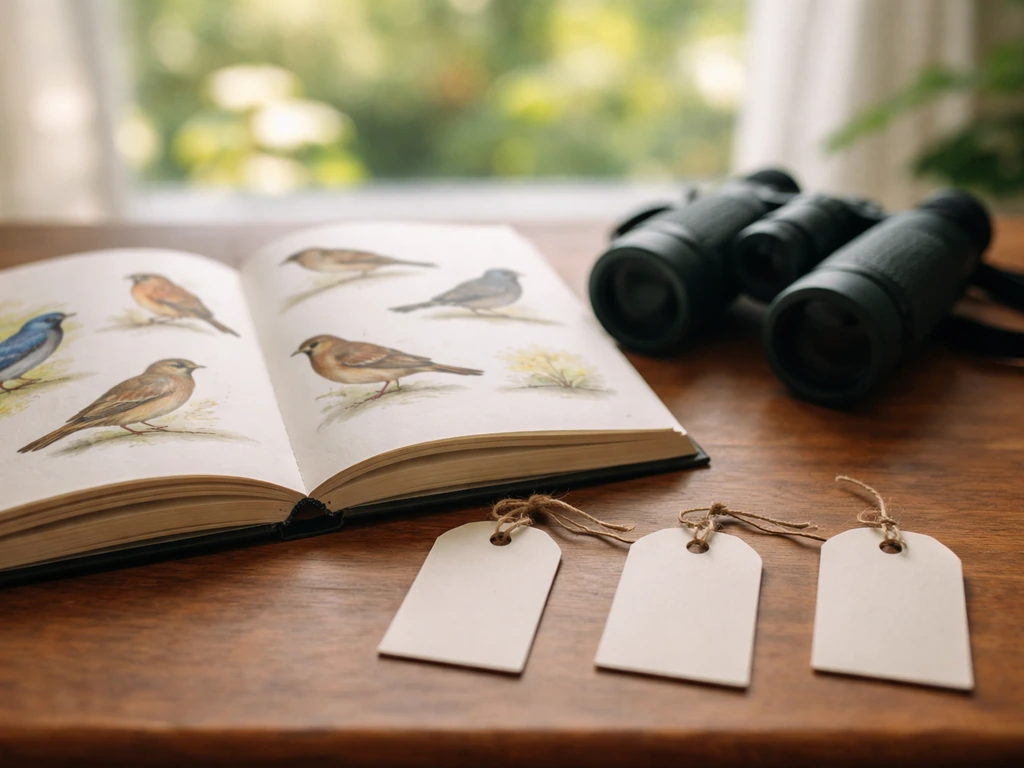
Once you know the word "bird," the next step that trips people up is moving from the general to the specific. Native English speakers do this constantly, and the pattern is simple: you put an adjective or a species name in front of "bird," or you replace "bird" entirely with the species common name.
Common English bird names follow a simple noun structure: robin, cardinal, sparrow, hawk, heron, wren. You don't say "red bird cardinal" or "bird robin"; you just say the name on its own. "I saw a robin" or "there's a red cardinal at the feeder." When you don't know the name, you describe it: "a small brown bird," "a large black and white bird," "a bird with a red chest." That's exactly what experienced birdwatchers do before they identify something.
If you want to ask someone to identify a bird, these are the natural English phrases to use: "What kind of bird is that?" or "What bird is this?" or "Can you identify this bird for me?" Pet owners tend to say "my bird" or use the species name directly, for example "my parakeet" or "my parrot," rather than always reaching for the generic "bird." In formal ornithology, you'll encounter the scientific binomial name (like Turdus migratorius for the American Robin), but for everyday conversation the common English name is all you need.
If you're curious how the word "bird" translates into other languages, or how to say specific bird names across different language systems, those are genuinely separate topics. If you want the exact translations, use our guide on how to say bird in other languages. If you want, you can also learn how to say bird in other languages for more variety in conversation how to say specific bird names. In Russian, you would typically start by learning how to say “bird” before moving on to specific species names how to say bird in russian. The word shifts considerably from language to language, and covering that properly goes well beyond a single English pronunciation guide.
Ready-to-Use Phrases for Real Situations
Here are practical sentences you can use right now, organized by situation. Say them out loud a few times to lock in the pronunciation.
Spotting a Bird (Birdwatching or Outdoors)
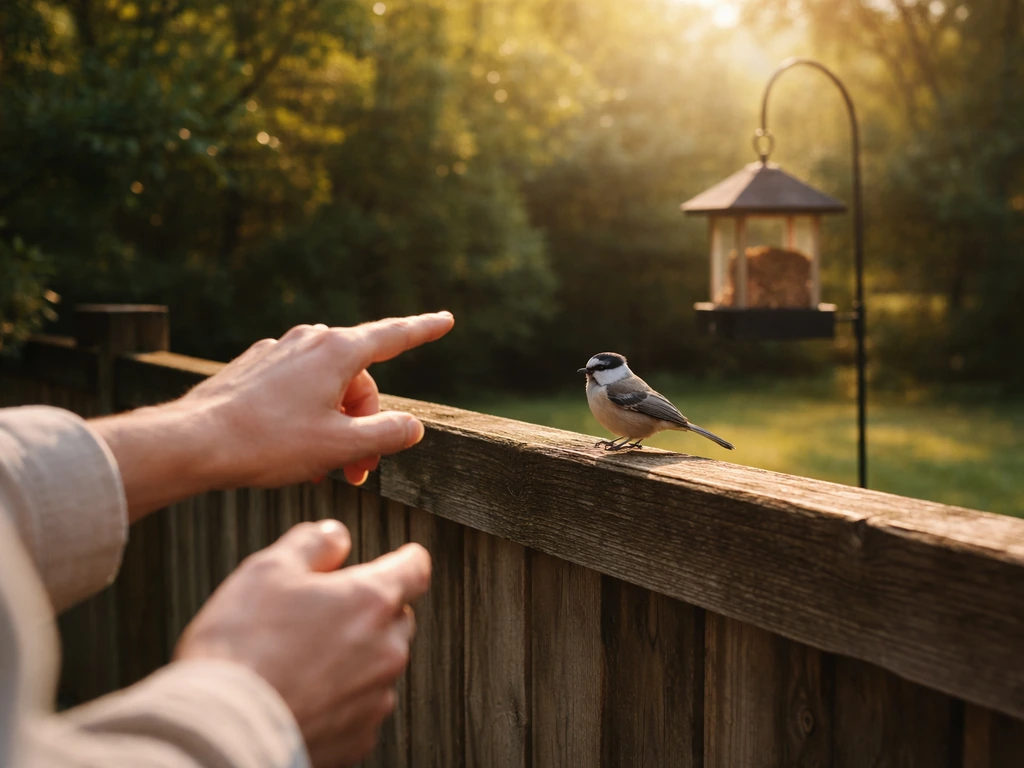
- "Look, there's a bird in that tree!"
- "What kind of bird is that?"
- "I just saw a bird I didn't recognize."
- "Those birds have been at the feeder all morning."
Talking to a Child
- "Can you see the bird on the fence?"
- "That's a bird. It has feathers and wings."
- "The birds are singing this morning!"
Talking About a Pet Bird
- "I have a pet bird at home."
- "My bird is a cockatiel."
- "She's had that bird for six years."
General and Formal Use
- "Birds migrate south in the autumn."
- "This region is home to over 200 bird species."
- "Avian research has expanded significantly in recent decades."
- "The poultry industry relies on chicken, turkey, and duck."
Quick Checklist: Which Word Should You Use?
Run through these questions before you choose your word:
- Is it a wild or pet bird in everyday conversation? Use "bird" or "birds."
- Is it more than one? Add an "s": "birds."
- Are you talking about food, farming, or domesticated species like chicken or turkey? Use "poultry."
- Are you in a hunting, game, or traditional cooking context? "Fowl" fits.
- Are you writing scientifically or formally about birds as a class? Use "avian" as an adjective ("avian species," "avian behavior").
- Do you know the species name? Use it directly: robin, sparrow, hawk.
- Don't know the name? Describe it: "a small brown bird with a red chest."
FAQ
Do I say “birds” for plural, or is there another option?
Yes. “Bird” is countable, so you can say “a bird” (one) and “birds” (more than one). For an unspecified number, native speakers also use “some birds” or “a few birds,” instead of trying to use “many bird.”
Can “bird” mean anything besides the animal?
In everyday speech, “bird” is usually the right noun, but “bird” can sound informal or mean a person in some contexts (for example, “that bird” as slang). If you mean the animal, stick to phrases like “a bird in the tree” or add a description to avoid misunderstanding.
What’s the best way to describe a bird when I do not know the species?
When you want to sound natural, pair “bird” with a modifier you can actually see or know, like “a small brown bird” or “a red-chested bird.” Avoid overstuffed descriptions, and if you know the species name, use that instead of multiple adjectives.
When can I use “avian” instead of “bird”?
“Bird” and “avian” are not interchangeable because “avian” is mainly an adjective. You typically say “avian species,” “avian behavior,” or “avian vet,” not “I saw an avian.” If you want a noun phrase, use “a bird” or “a type of bird.”
Are there common compound words with “bird,” and do I use “bird” or “birds”?
Common “bird” compound patterns are “birdwatching,” “birdhouse,” and “birdbath.” The general rule is that English often creates compounds by placing “bird” directly before another noun, without changing “bird” to “birds.”
Which question sounds most natural, “bird,” “fowl,” or “avian” when identifying one?
If you are answering an identification question, “What bird is this?” is usually better than “What kind of fowl is this?” because “fowl” sounds limited to certain contexts (food or hunting). A safe response is to say “I think it might be a sparrow,” then add the visible features.
How do I refer to my pet bird naturally in English?
For a pet, “my bird” can be fine, but many speakers specify the species, like “my parakeet” or “my parrot.” Also note that “poultry” is generally for farm birds used as food, so it usually does not fit pet conversations.
How do “fowl,” “bird,” and “avian” differ in more formal or technical sentences?
In formal writing, you may see “bird” alongside “avian” terms, but “fowl” often implies the bird is raised for meat or is hunted. If you are describing a disease or a scientific category, “avian influenza” is a fixed phrase, while “bird influenza” may sound wrong.
How do I say counts like “three bird types” correctly?
You can say the word “bird” after “number” forms, but English prefers “species” wording when you mean taxonomy, like “three bird species” or “two species of birds.” If you only mean quantity, “three birds” is perfect.
Next Article
How to Say Bird in Other Languages: Pronunciations & Tips
Learn how to say bird in major languages with pronunciation, spellings, and tips for grammar, dialect, and species vs ge