Pronounce kākāpō as 'car-car-paw' in three even syllables: KAH-kah-paw. The first syllable carries the main stress, all three vowels are long and open, and nothing gets swallowed or rushed. If you only see the simplified spelling 'kakapo' without the little lines above the vowels, the safest approach is still to aim for those long, open sounds rather than anglicizing them into something that sounds nothing like the Māori original. If you are also wondering about towa bird pronouns, it helps to check the specific phrasing used in the same style guide or community guidance you are using for the rest of the name.
How to Pronounce Kakapo Bird Kākāpō: IPA and Stress Guide

James Ridgley
29 Apr 2026
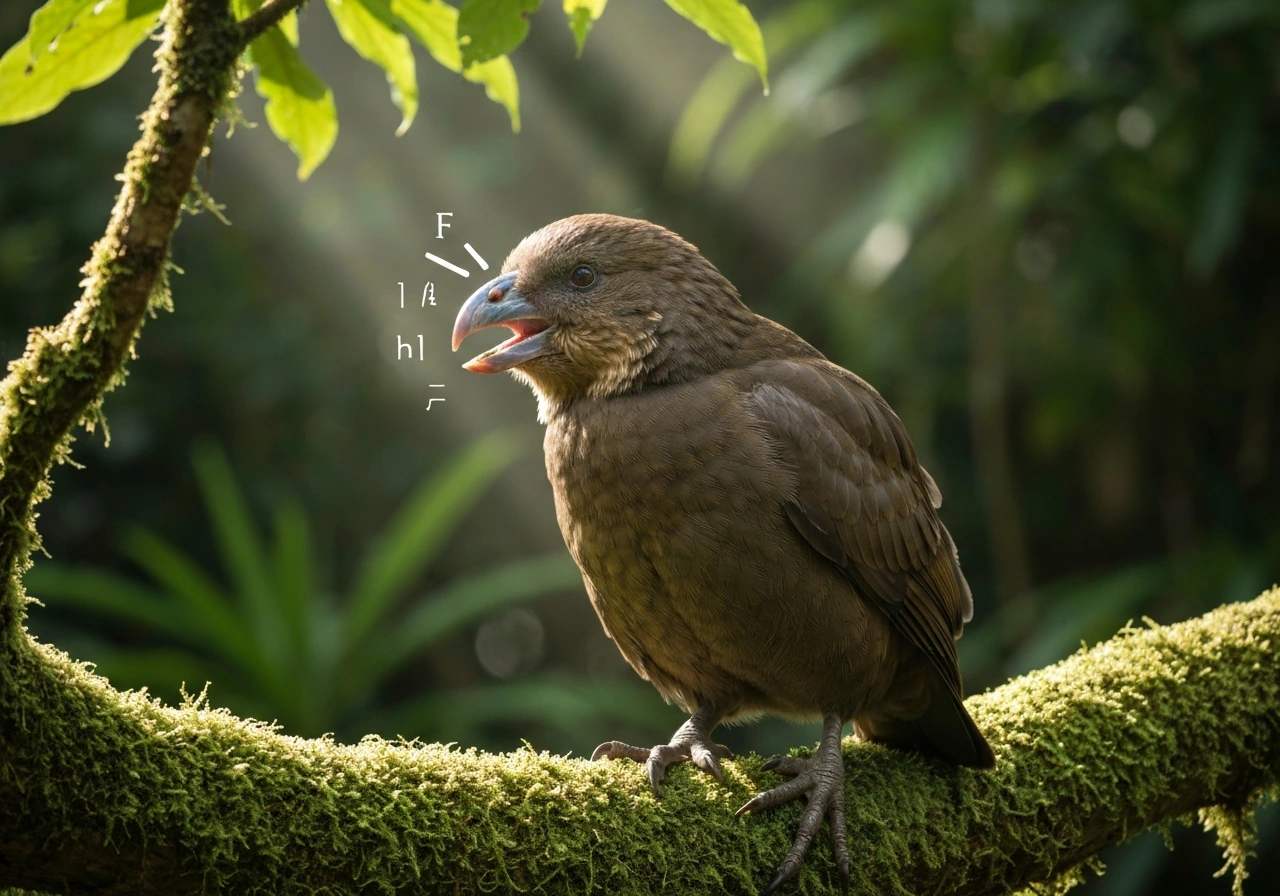
Pronunciation basics for kākāpō
Kākāpō is a Māori word, and Māori pronunciation is actually very consistent once you understand a few rules. Every vowel is voiced fully, every syllable is roughly equal in length, and the three small lines (macrons) sitting above the ā, ā, and ō in the full spelling each signal a long vowel. That means you hold each vowel a little longer than you would in a typical English word. The Department of Conservation in New Zealand, which manages the kākāpō recovery programme, spells it with macrons (kākāpō) and guides visitors to say it exactly like 'car-car-paw.' That is the most trustworthy shorthand you will find.
Common English spellings and how they change pronunciation
You will encounter this bird's name spelled several ways depending on where you look. Field guides and crossword clues often drop the macrons entirely and write 'kakapo.' English dictionaries like Merriam-Webster also use the unmarked spelling. Each variation nudges readers toward a slightly different pronunciation, so it helps to know what you are actually looking at.
| Spelling | Where you see it | How it affects pronunciation |
|---|---|---|
| kākāpō | New Zealand DOC, Te Aka Māori Dictionary, He Pātaka Kupu | Macrons signal three long vowels; aim for 'car-car-paw' |
| kakapo | English field guides, Wikipedia (informal), crossword clues | No long-vowel cues; readers often anglicize to 'ka-KAH-poh' or 'KAK-uh-poh' |
| kakapō | Some English references, Te Aka variant entries | Only the final long vowel is marked; partial guidance toward 'paw' ending |
| Kakapo | Merriam-Webster, American Heritage Dictionary | Capitalized English loanword; dictionary IPA given as /ˌkä-kə-ˈpō/ (different stress from Māori) |
The fully macronized spelling kākāpō is the correct official form. Whenever you see it without macrons, just remember those lines would have been there in the Māori original, and each vowel deserves a long, open sound.
IPA pronunciation and syllable stress
The Māori IPA transcription of kākāpō is /ˈkaːkaːpoː/. Each vowel carries a length marker (ː), and the primary stress mark (ˈ) sits at the very beginning, before the first syllable. This lines up with a core Māori stress rule: stress falls on the first long vowel in the word. Since the very first syllable kā is already a long vowel, that is where the emphasis lands.
In anglicized English, Wiktionary records a second IPA form: /ˈkɑːkəpəʊ/. Notice how the middle vowel collapses into a schwa (ə) and the final vowel shifts to a diphthong (əʊ). This is the English loanword version. It is widely understood, but it is noticeably different from the Māori original. Merriam-Webster takes a similar anglicized approach, listing the stress on the final syllable (/ˌkä-kə-ˈpō/), which is the reverse of the Māori pattern.
How to hear it: syllable breaks and 'say it like' guidance
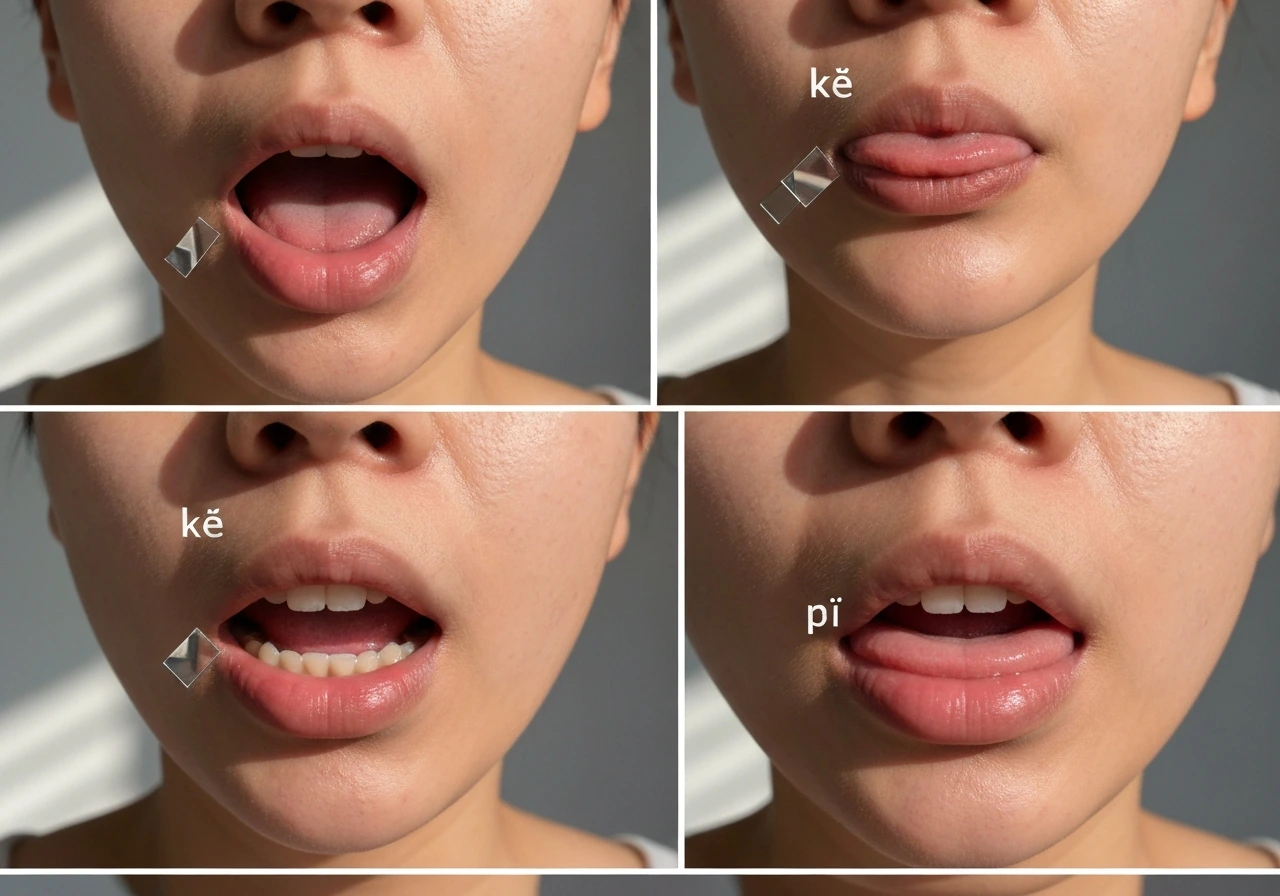
Breaking the word into its three syllables is the fastest way to get your mouth in the right place. Here is how to work through it step by step.
- kā: Say 'car' but cut off the 'r.' Your mouth is open, your tongue is low and back. Hold it just a beat longer than you would for a short vowel.
- kā: Repeat exactly the same sound. This is not an accident; both syllables are identical in Māori.
- pō: Say 'paw' (British or New Zealand English) or the pure 'oh' without the glide you get in American English. It should be a clean, round, sustained vowel, not 'poh' with a closing diphthong.
- Put it together slowly: KAH ... KAH ... PAW. Then speed it up to a natural pace: KAH-kah-paw.
The DOC 'car-car-paw' mnemonic is genuinely useful here. If you are a North American speaker, the trick with the final syllable is to freeze your lips before they close into the 'w' of 'paw.' In New Zealand English, that vowel stays pure and open, which is exactly what Māori pō sounds like.
Common mispronunciations to avoid
Because most English speakers encounter the unaccented spelling 'kakapo' first, several predictable errors come up. These are the ones worth specifically unlearning.
- ka-KAH-poh (wrong stress, anglicized final vowel): Shifting stress to the second syllable and turning the final -pō into a closing English 'oh' diphthong is the most common English mistake. It sounds reasonable but misrepresents both the stress and the vowel quality.
- KAK-uh-poh (collapsed middle vowel): Reducing the second kā to a schwa ('uh') flattens the word and loses the long-vowel rhythm that is central to Māori pronunciation.
- kah-KAH-POH (stress on the final syllable): Merriam-Webster places stress at the end for English speakers, but this pattern does not match the Māori original. It works as an anglicized form, just know it is a departure.
- kay-KAY-po (long English 'ay' vowels): Rendering both kā syllables as English 'kay' is a common guess from written form but is completely off. The ā in Māori sounds like the 'a' in 'father,' not the 'a' in 'cake.'
Regional and accent differences: matching your English
How closely you can approximate the Māori sounds depends partly on which English accent you already speak. New Zealand and British English speakers have a natural advantage on the final -pō syllable because their short 'o' vowel in words like 'caught' or 'paw' is already close to a pure Māori ō. American English speakers tend to produce a closing diphthong ('poh' rather than 'paw'), so they need to consciously keep the vowel open and steady.
For the kā syllables, most English accents can approximate the sound by thinking of the 'a' in 'father' or 'spa.' British RP and Australian English speakers will find this easier than General American speakers, whose 'a' in 'spa' sometimes sounds closer to a rounded 'o.' If you are aiming for accuracy, prioritize the open-front vowel rather than a rounded one. At casual conversation speed, KAH-kah-paw gets you there regardless of accent.
If you have ever looked up how to pronounce other unusual bird names, you will notice that Māori-origin names like kākāpō follow patterns quite different from Latin or Greek species names. If you are also trying to learn the towhee bird name, use a similar syllable-by-syllable approach and listen to native audio when you can. The vowel rules here are consistent and learnable, which puts kākāpō in a different category from names like anhinga or towhee, where English phonetics dominate from the start. If you need to compare that to the pronunciation of anhinga, see the guide on how to pronounce anhinga bird.
Why the name sounds the way it does: etymology
Kākāpō is built from two Māori words: kākā, meaning parrot, and pō, meaning night. The literal translation is 'parrot of the night,' which fits perfectly since the kākāpō is nocturnal. Knowing this makes the pronunciation click into place. The word is not one exotic chunk to memorize but two familiar Māori pieces joined together: KAH-kah (parrot) + PAW (night).
The kākā part appears in the name because the bird is indeed a parrot, one of the largest and strangest in the world. Pō appears in many Māori words and names associated with night or darkness. Because each component word carries its own long vowel, all three long vowels in kākāpō are structurally meaningful, not decorative. The macrons are not just spelling conventions; they are signposts to the word's component history. This is also why collapsing any of the vowels into a schwa or shifting the stress feels so off to Māori speakers: it obscures the word's meaning.
Where to verify: trusted audio sources and a simple practice routine
The best place to hear the Māori pronunciation today is Te Aka Māori Dictionary (maoridictionary.co.nz), which provides audio for entries. Search for 'kākāpō' or 'kākā' and 'pō' separately to hear the component sounds. The New Zealand Department of Conservation website and its kākāpō recovery education resources also provide the 'car-car-paw' guidance in written form and are about as authoritative as sources get for New Zealand species names.
For IPA reference, Wiktionary's kākāpō entry gives /ˈkaːkaːpoː/ and is regularly edited by Māori language contributors. Forvo (forvo. Forvo provides a general description of how its pronunciation database works and how its recordings are accessed as audio reference Forvo sometimes has native-speaker audio. com) sometimes has native-speaker audio for kākāpō and is worth checking. If you want an English dictionary anchor, Merriam-Webster's audio for 'kakapo' gives you the widely understood anglicized version, which is useful to know but should not be your target if accuracy matters to you.
For a quick practice routine, try this: say the word slowly five times with a deliberate pause between syllables (KAH... KAH... PAW), then say it five more times at normal conversational speed. Focus on keeping all three vowels open and avoiding the urge to close the final syllable into 'poh.' Recording yourself on your phone and comparing it against the Te Aka audio is the single most effective thing you can do to self-correct quickly. If you want a quick answer for this bird specifically, use the guidance in the sections above for how to pronounce the junco bird how to pronounce junco bird.
FAQ
If I cannot see the macrons, what pronunciation should I aim for anyway?
Aim for three even syllables with long, open vowels and first-syllable stress (KAH-kah-paw). If you also lose the vowel quality, a workable fallback is to keep the final vowel steady and open, do not turn it into “poh.”
Should I say it like “car-car-paw” or like “kah-kah-poh”?
For the Māori pronunciation, use “car-car-paw” as a vowel guide, then adjust your “a” sound toward an open-front “ah” (not a rounded “oh”). “Kah-kah-poh” is closer to the anglicized reading, where the middle vowel weakens and the last vowel may diphthongize.
How do I pronounce the IPA /ˈkaːkaːpoː/ without getting stuck on IPA symbols?
Treat the “ˈ” as “start with emphasis,” and treat each “ː” as “hold the vowel.” Say KA (long) then KA (long) then PO (long), keeping the three syllables roughly equal in duration.
Does the stress ever shift depending on whether I’m speaking English or Māori?
In Māori-style pronunciation, stress stays at the beginning because the first long vowel is the landing point. In common English practice, stress may be misheard toward the last syllable, so avoid copying that unless the context explicitly asks for an anglicized version.
How should American English speakers adjust the final syllable?
American English often closes short “o” into a diphthong, so consciously “freeze” your mouth position before the “w” glide. Keep the last vowel pure and open as you finish, so it feels more like “paw” than “poh.”
Is it acceptable to pronounce it with fewer syllables if I’m speaking quickly?
If you drop or blur syllables, you lose the long-vowel pattern that distinguishes Māori pronunciation. At minimum, keep it as three beats (KAH… KAH… PAW) even when you speed up, and keep the first beat stronger.
What if I hear “kākāpō” pronounced by someone who sounds different from the DOC guide?
Differences are usually accent effects, not a different underlying Māori word. Check whether they keep three syllables and begin with the emphasis; if they instead compress the middle vowel or shift stress to the end, they are likely using an anglicized or simplified English reading.
How should I split the syllables in my head for practice?
Use KAH for the first syllable, KAH for the second, then PAW for the third. Add a brief pause between syllables at first (KAH… KAH… PAW), then remove the pauses while keeping the vowel length and stress.
If I want the bird’s name to match official spelling, does pronunciation change when I write “kakapo” without macrons?
The spelling changes, the pronunciation target does not. “Kakapo” is a macron-free form, so you should still treat it as if the long-vowel marks are present, aiming for long open vowels and first-syllable stress.
How does understanding the meaning help with pronunciation?
Knowing “kākā” (parrot) plus “pō” (night) reinforces why each vowel stays long. You are not supposed to smear the boundary between the two parts, so the shift into the final “pō” sound should feel like a clear third syllable.
When should I choose an anglicized pronunciation instead of Māori-accurate pronunciation?
Choose anglicized pronunciation when the setting explicitly expects English conventions (for example, some dictionary-style audio or informal speech). If you are naming the species in a scientific or New Zealand context and accuracy matters, use the Māori stress and long-vowel pattern first.
What is the quickest way to self-correct if I’m unsure I’m saying it right?
Record yourself saying KAH-kah-paw three times in a row, then listen for two things: the first syllable should be the stressed one, and the last vowel should stay open rather than turning into a closed “oh” or “poh.” Comparing your recording to Māori audio helps you fix those two issues fastest.
Next Article
What Are Towa Bird Pronouns? Meaning and Grammar Guide
Learn what Towa bird pronouns mean in grammar, how Towa refers to animals, and how to verify usage in context.