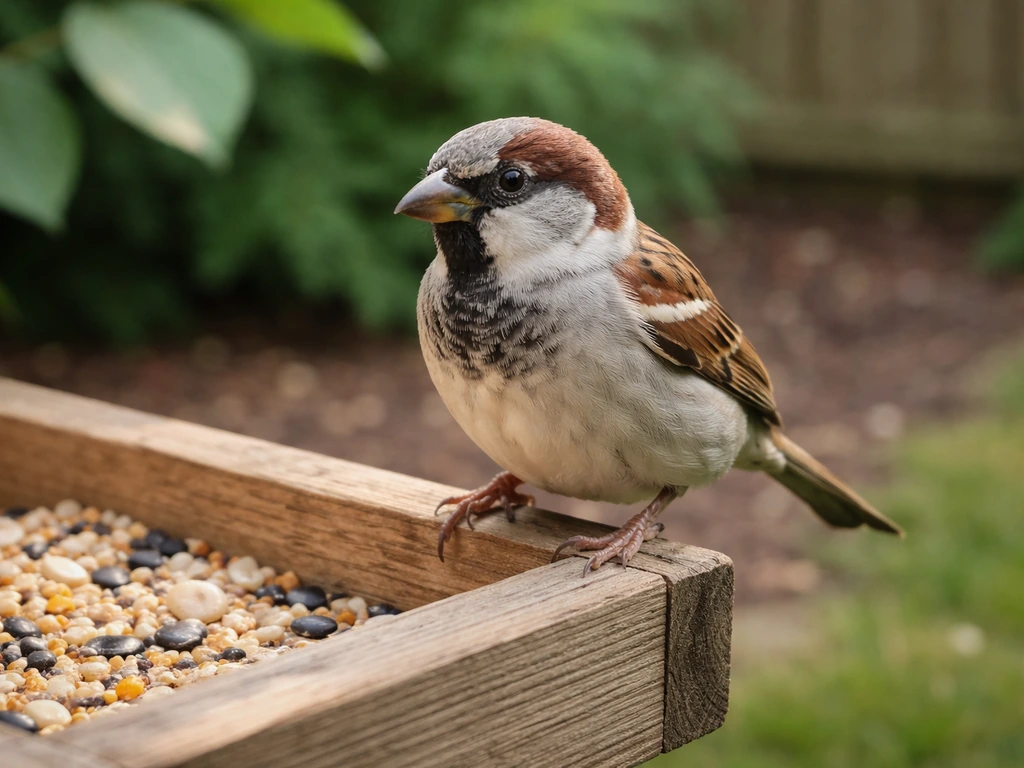
If you have a 6-letter slot and the clue is 'common bird,' your best first guess is PIGEON. It's the answer that crossword databases consistently return for this exact clue at this exact length, and it fits perfectly: P-I-G-E-O-N, six letters, one of the most universally recognized 'common' birds on earth. If your crossing letters support it, fill it in with confidence.
Common Bird Crossword Clue 6 Letters: Likely Answers

James Ridgley
23 May 2026
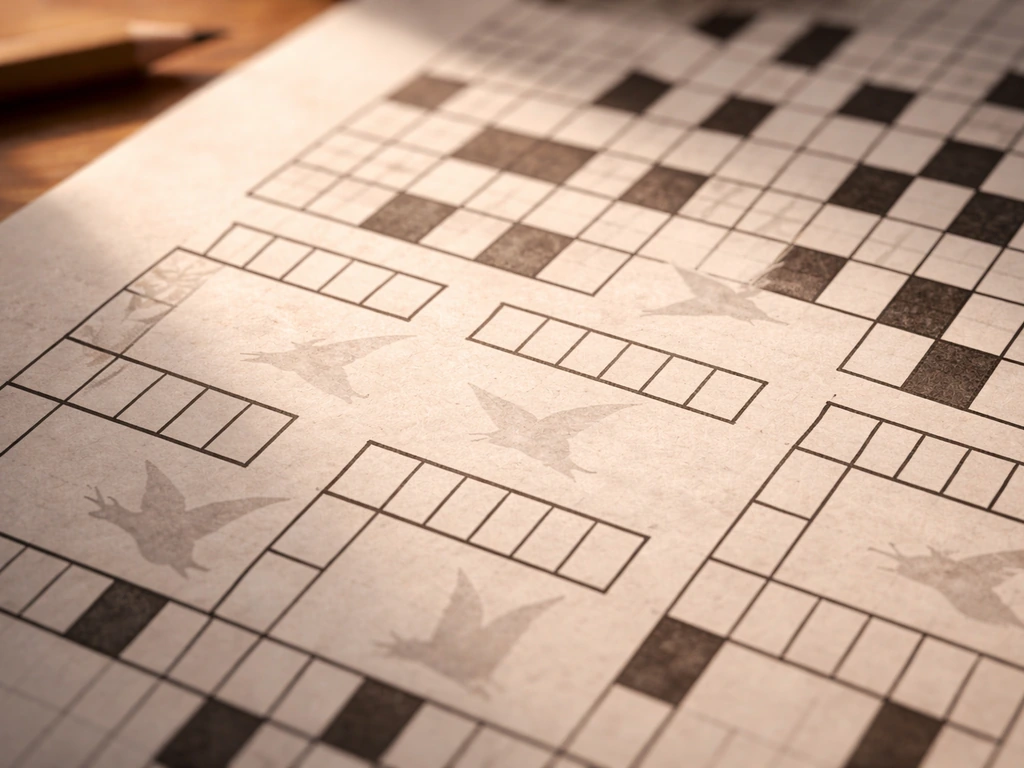
Quick answer workflow for a 6-letter common bird clue

Before you commit to any answer, run through this short process. It takes about 60 seconds and saves you from erasing later.
- Count the squares again. It sounds obvious, but miscount is the most common reason a perfectly good answer doesn't fit. Confirm you have exactly 6 squares.
- Write in any crossing letters you already have. Even one fixed letter (say, a P in position 1, or an E in position 5) narrows the field dramatically.
- Test PIGEON first. Check each of its 6 letters against your crossing letters: P(1)-I(2)-G(3)-E(4)-O(5)-N(6). If none of your crossings contradict it, PIGEON is almost certainly correct.
- If a crossing letter rules PIGEON out, move to the next candidates in order: MAGPIE, MARTIN, THRUSH, OSPREY, or HERON (if your count is flexible and you rechecked).
- Once a candidate fits all crossing letters, pencil it in and solve a few more crossing clues to double-check the shared letters hold up.
Most likely 6-letter answers and how to verify with pattern letters
Crossword setters who use 'common bird' as a clue almost always want a bird name that any non-birder would recognize instantly. That rules out scientific-sounding or regionally obscure names. Here are the strongest 6-letter candidates, ranked by how often they appear in crossword databases for this type of clue.
| Answer | Letter pattern | Why it fits 'common bird' | Watch for |
|---|---|---|---|
| PIGEON | P-I-G-E-O-N | Rock pigeon is widespread and common across the US, UK, and most of Europe; the word 'pigeon' is the standard everyday English name | Occasionally clued as DOVE instead; check crossing letters at positions 1 and 6 |
| MAGPIE | M-A-G-P-I-E | Extremely familiar garden and roadside bird across Britain and Europe; 6 letters, one word, standard spelling | Less common in US-based crosswords; more likely in British puzzles |
| MARTIN | M-A-R-T-I-N | House martin is a well-known common bird; MARTIN alone is crossword-accepted | Could also be a personal name; context of clue matters |
| THRUSH | T-H-R-U-S-H | Song thrush and mistle thrush are everyday garden birds; 6 letters, clean single-word common name | Less likely for US crosswords; stronger fit for British puzzles |
| OSPREY | O-S-P-R-E-Y | Familiar to many, but 'common' is a stretch; osprey is a specialist raptor | Only fits if crossing letters force this pattern |
| SISKIN | S-I-S-K-I-N | A small finch described as common in British gardens; 6 letters | Very specific; unlikely unless puzzle has a birding theme |
To verify against your grid, blank" rel="noopener noreferrer">write out the blank pattern using underscores and fill in any letters you already have from crossing answers. For example, if you have a P in position 1 and an N in position 6, your pattern is P N. blank" rel="noopener noreferrer">PIGEON is the only strong candidate that matches that pattern. If position 1 is M and position 6 is E, you're almost certainly looking at MAGPIE.
Common 'common bird' candidates based on everyday usage
The clue 'common bird' is doing two things at once: it's pointing to a bird that is genuinely common (as in, you'd see it every day), and it's using the adjective 'common' the way crossword setters often do, to mean ordinary, familiar, or widespread. That framing strongly favors city and garden birds over rare or specialist species.
PIGEON tops the list for good reason. The rock pigeon is one of the most geographically widespread birds on Earth, nesting in urban environments across North America, Europe, and beyond. National Geographic notes it is widespread and common across the United States, particularly in cities. The RSPB rates the house sparrow as the most commonly seen bird in UK garden surveys, which gives SPARROW strong 'common bird' credentials, though SPARROW is 7 letters and won't fit a 6-letter slot.
ROBIN is another obvious 'common bird' in the everyday sense. The American robin is one of the most recognizable North American birds, and the European robin is virtually synonymous with British garden life. But ROBIN is only 5 letters, so it won't fit here unless you've miscounted. Similarly, WREN is 4 letters and STARLING is 8. The 6-letter count naturally filters most very famous birds out, which is exactly why PIGEON and MAGPIE are the main contenders.
For British-flavored puzzles specifically, MAGPIE is an excellent alternative answer. It's a bold, conspicuous, and genuinely common bird across the UK and Europe. It's also culturally well-known, which is exactly the kind of 'common' a crossword setter is thinking about. If you're solving a British or Australian crossword, weight MAGPIE more heavily alongside PIGEON.
Spelling, pluralization, and crossword-specific variants to watch for
Crosswords almost always use the singular base form of a bird's name unless the clue explicitly signals a plural (e.g., 'common birds' or 'flock members'). So you're looking for PIGEON, not PIGEONS (7 letters), and MAGPIE, not MAGPIES (7 letters). This is a crossword convention you can rely on.
- PIGEON: always singular here; PIGEONS would be 7 letters. No alternative English spellings to worry about.
- MAGPIE: one word, no hyphen, always spelled M-A-G-P-I-E in standard English. No common misspellings in crossword contexts.
- MARTIN: clean 6-letter form; house martin is the full name, but MARTIN alone is the standard crossword entry.
- THRUSH: straightforward 6-letter spelling; no variants. THRUSHES would be 7 letters, so watch for that if your count is off.
- Watch out for two-word bird names: 'house sparrow,' 'song thrush,' 'rock pigeon,' and 'barn owl' are all multi-word in field guides, but crosswords almost always use just the short-form noun: SPARROW, THRUSH, PIGEON, OWL.
One spelling trap worth naming: some solvers try CUCKOO for 'common bird' clues, thinking of the cuckoo clock or cultural familiarity. CUCKOO is 6 letters (C-U-C-K-O-O), so it does fit the length. It's worth keeping in the back pocket if your crossing letters point that way, though it's less likely than PIGEON in most databases.
Pronunciation and naming notes for each candidate
For crossword purposes you don't need to say the word aloud, but knowing how these names are correctly pronounced and where they come from can help you feel confident the answer is genuinely a 'common bird' name and not a crossword-specific oddity.
PIGEON
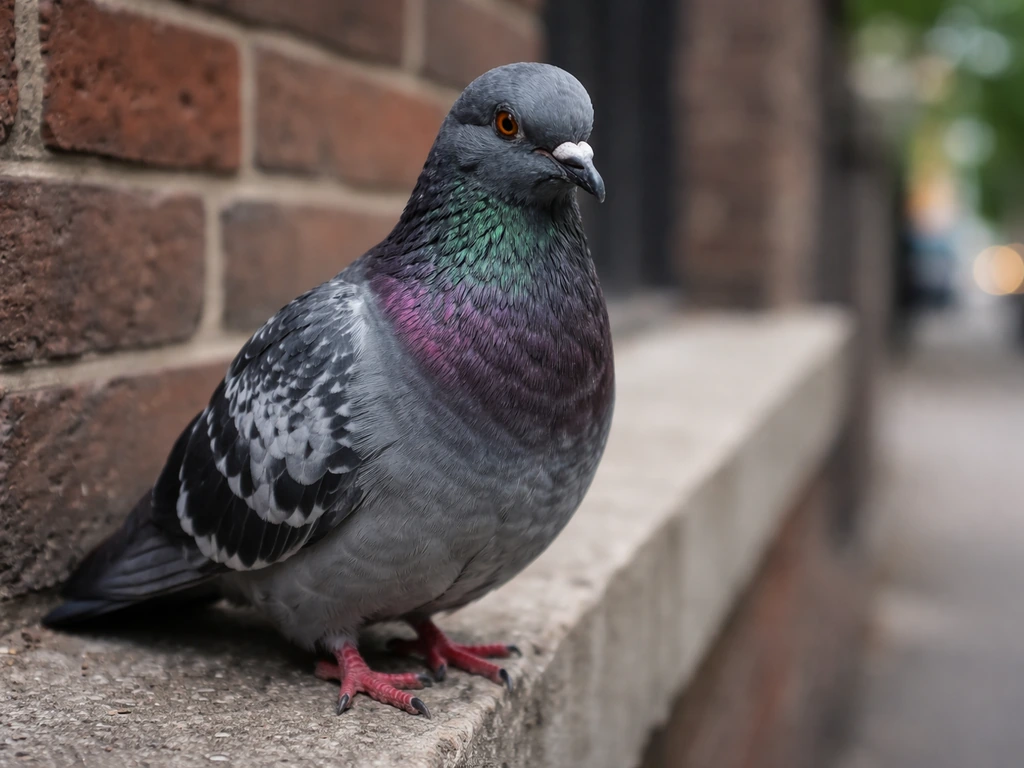
Pronounced PIJ-un (IPA: /ˈpɪdʒ.ɪn/). The name comes from Old French 'pijon,' derived from Latin 'pipio,' meaning a young chirping bird. In standard English usage, 'pigeon' refers to the larger members of the Columbidae family, with smaller members typically called doves. The rock pigeon (Columba livia) is the species you see on city streets worldwide. It's the 'common bird' par excellence. The term common British bird crossword clue is typically aimed at everyday species like PIGEON rather than rare birds common bird.
MAGPIE
Pronounced MAG-pye (IPA: /ˈmæɡ.paɪ/). The name combines 'Mag,' a nickname for Margaret historically associated with chattering, and 'pie,' an old English word for the bird derived from Latin 'pica.' The Eurasian magpie (Pica pica) is the species most associated with the name in British and European crosswords. It's black and white, loud, and very much a common garden and roadside bird in the UK.
MARTIN
Pronounced MAR-tin (IPA: /ˈmɑːr.tɪn/). The name is thought to derive from Saint Martin of Tours, who is associated with swallows and martins in European tradition. The house martin (Delichon urbicum) is the most commonly referenced species in British contexts. As a standalone crossword entry, MARTIN is clean and well-established.
THRUSH
Pronounced THRUSH (IPA: /θrʌʃ/), rhyming with 'brush.' The word comes from Old English 'thrysce.' In everyday British usage, 'thrush' most often means the song thrush (Turdus philomelos), a familiar garden singer. The American robin is actually a member of the thrush family (Turdidae), which is a fun naming connection: both 'robin' and 'thrush' refer to closely related birds.
CUCKOO
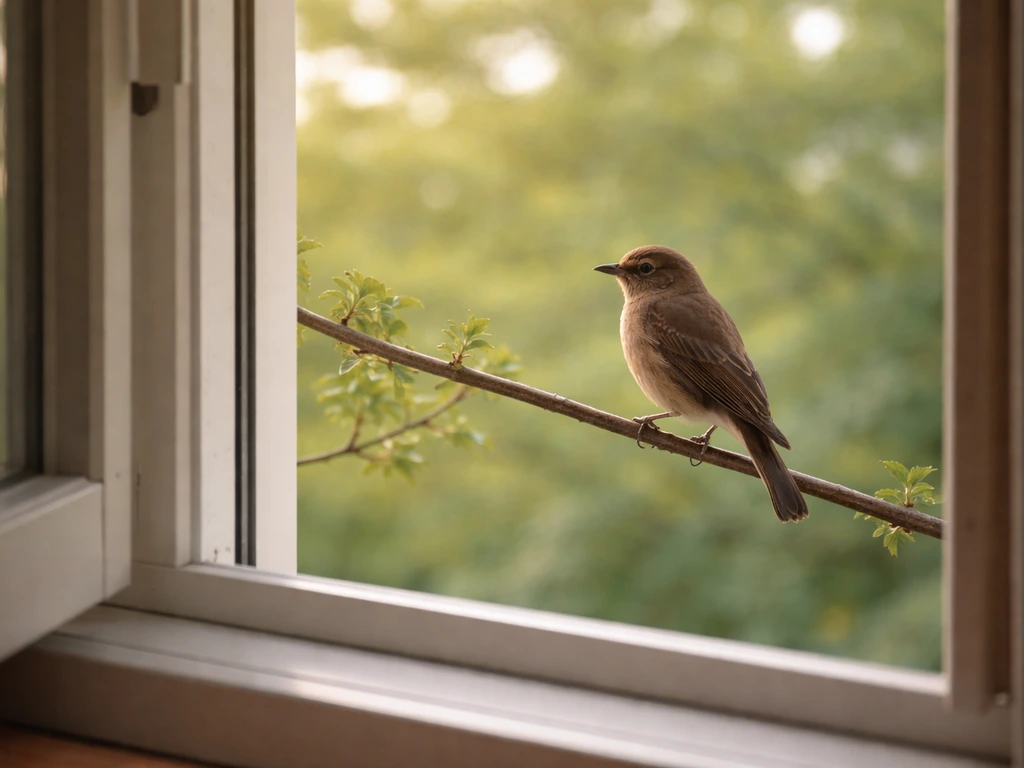
Pronounced KOO-koo (IPA: /ˈkuː.kuː/). The name is onomatopoeic, directly imitating the bird's call. The common cuckoo (Cuculus canorus) is genuinely common and widely familiar across Europe, which is why it qualifies as a plausible 'common bird' answer. If your crossing letters show a C in position 1 and two O's at the end, this is your answer.
Next steps if none of these fit: using cross letters and other sources
If you've tested PIGEON, MAGPIE, MARTIN, THRUSH, and CUCKOO and none of them match your crossing letters, here's how to dig further without getting stuck.
- Write out your full 6-letter pattern with every crossing letter you have filled in. Even having positions 2 and 4 confirmed narrows the field to just a handful of possible bird names.
- Use a pattern-based crossword solver. Sites like OneAcross or CrosswordSolver.com let you enter a pattern like IEN or MGI and get every possible match instantly. Filter results for bird names.
- Check whether the clue has additional context. 'Common bird' with an exclamation mark or question mark in the clue often signals wordplay or a cryptic definition rather than a straight bird-name answer. Cryptic clues work differently.
- Consider whether the puzzle is British or American. British crosswords favor MAGPIE, THRUSH, MARTIN, and SISKIN more than American ones, which lean toward PIGEON, ROBIN (5 letters), and OSPREY.
- Look at related clue types. If you're working through a puzzle that also has clues about 'British birds,' 'garden birds,' or 'farmyard birds,' the setter is probably in a bird-naming theme and your answer is more likely to be a specifically British or garden species.
One practical tip: solve at least two or three of the clues that cross your mystery answer before giving up on your first candidate. Sometimes what looks like a contradiction in crossing letters turns out to be a different crossing answer you had wrong. PIGEON is the statistically strongest answer here, and it's worth defending until at least two crossing letters actively disprove it.
If the puzzle is specifically about British or garden birds, the range of plausible answers shifts a little, and it's worth thinking about whether the clue might be narrowing the category further. Similarly, some crossword clues phrase it as 'common farmyard bird' or 'common European bird,' which changes the answer entirely. If the clue specifically says “common farmyard bird,” double-check whether setters expect PIGEON (7 letters) or a closer 6-letter alternative common farmyard bird crossword clue. “Common European bird” clues are a slightly tighter version of the general “common bird” idea, often pointing to the same everyday species candidates common European bird crossword clue. For this straight 6-letter 'common bird' clue, though, PIGEON remains your most reliable starting point every time. If the clue instead hints at a farm bird, check what comes from a farm bird crossword clue for a related alternative to PIGEON. If you are still unsure, comparing the clue to other common garden bird crossword clue options can quickly confirm whether PIGEON, MAGPIE, or another familiar bird fits best.
FAQ
If the crossing letters rule out PIGEON, what should I try next in a 6-letter common bird clue?
Treat it as a narrowing problem: first list every 6-letter bird that matches your exact first and last letters, then only keep ones that also fit any middle letter you already know. After that, compare against the usual crossword “everyday” shortlist (MAGPIE, MARTIN, THRUSH, CUCKOO). If none fit, it likely is not a “city commoner” and you should re-check whether the clue wording implies a category like garden, farmyard, or European.
Can “common bird” ever point to a plural like “pigeons” or “sparrows”?
Usually no, unless the clue explicitly signals plural (for example, “common birds” or “flock members”). Standard crossword practice is singular base forms for bird names. If you have a 6-letter singular slot, plural answers tend to be too long and often become incorrect once you verify spelling.
My answer length is 6, but the clue might be from a British puzzle. Should MAGPIE automatically replace PIGEON?
Not automatically, but you should give MAGPIE extra weight if your crossings fit. British-focused clues often favor MAGPIE in the garden and roadside context, while PIGEON can still appear even in UK-themed puzzles. The decision should be driven by crossing letters first, then by whether the setter seems to prefer UK familiar birds.
What are the most common spelling mistakes for these 6-letter candidates?
Watch letter order and doubled letters. Examples: CUCKOO has the double O at both the fourth and fifth positions, and MAGPIE must be M-A-G-P-I-E (not “magpie” as M-A-G-P-I-E with any swapped letters). For PIGEON, the sequence P-I-G-E-O-N is often mistyped by swapping E and O. When in doubt, write the pattern with underscores and fill strictly left to right.
If the clue has an article like “a common bird,” does it change the answer?
Usually not. Crossword clues like “a common bird” still aim at the same bird-name category, but the extra “a” is mostly grammatical. The only time it matters is when the clue explicitly changes number or category, like “common birds” (plural) or “common farmyard bird” (category shift).
Could “common bird” be a specific type of pigeon or a dove instead of PIGEON?
In a pure “common bird” clue at 6 letters, setters typically go with a well-known generic name. “Dove” is only 4 letters, and more specific pigeon names usually exceed 6 or do not match the common, universal intent. If your crossings fit something like “dove,” then the clue likely is not the generic one described here, or the length is not actually 6.
My crossings give me C _ _ _ _ O for a 6-letter answer. Does that make CUCKOO more likely than PIGEON?
Yes, if you truly have C as the first letter and O as the last letter, CUCKOO is a very strong candidate because its spelling begins with C and ends with OO. Still confirm the internal letters, since a different 6-letter bird name could theoretically match the same endpoints in a full grid.
How can I tell whether the clue is narrowing to garden birds, farmyard birds, or European birds?
Look at exact wording and punctuation. If the clue says “common garden bird,” “common farmyard bird,” or “common European bird,” treat it as a category constraint, not just a synonym of common. In those cases, the likely set of answers shifts, so you should avoid locking in PIGEON without checking whether garden or European-specific candidates match the crossing letters.
What if the crossword uses American vs British spelling conventions, could that affect the bird name?
For these common 6-letter bird entries, spelling is generally stable across varieties (PIGEON, MAGPIE, MARTIN, THRUSH, CUCKOO). The practical impact of US vs UK puzzles is more about which bird the setter expects you to recognize, rather than spelling variants.
I still can’t get any 6-letter bird to match. Is it possible the clue is a misdirect or an extra clue type?
Yes. Sometimes “common bird” can lead to a nickname or a non-bird meaning used as a crossword answer elsewhere, especially if all bird-name candidates conflict with crossings. Before abandoning bird answers, verify you counted the slot as 6 letters, confirm any letter already in the grid is correct, and then solve a couple of intersecting clues to test whether your assumed mystery entry is accurate.
Next Article
Common British Bird Crossword Clue: Likely Answers
Likely answers for common British bird clue: garden birds, spelling checks, letter counts, and fast solving tactics.