
The most common alternative name for a bird's beak is "bill." The two words mean exactly the same thing and refer to the same structure: the hard, external mouthpart birds use for eating, drinking, preening, and interacting with their world. You can swap them freely in almost any sentence and be perfectly correct. So if you are wondering whether you should write it as one word or two, the answer is that “bird seed” is written as two separate words.
What Is Another Name for the Beak of a Bird? Bill

James Ridgley
3 May 2026
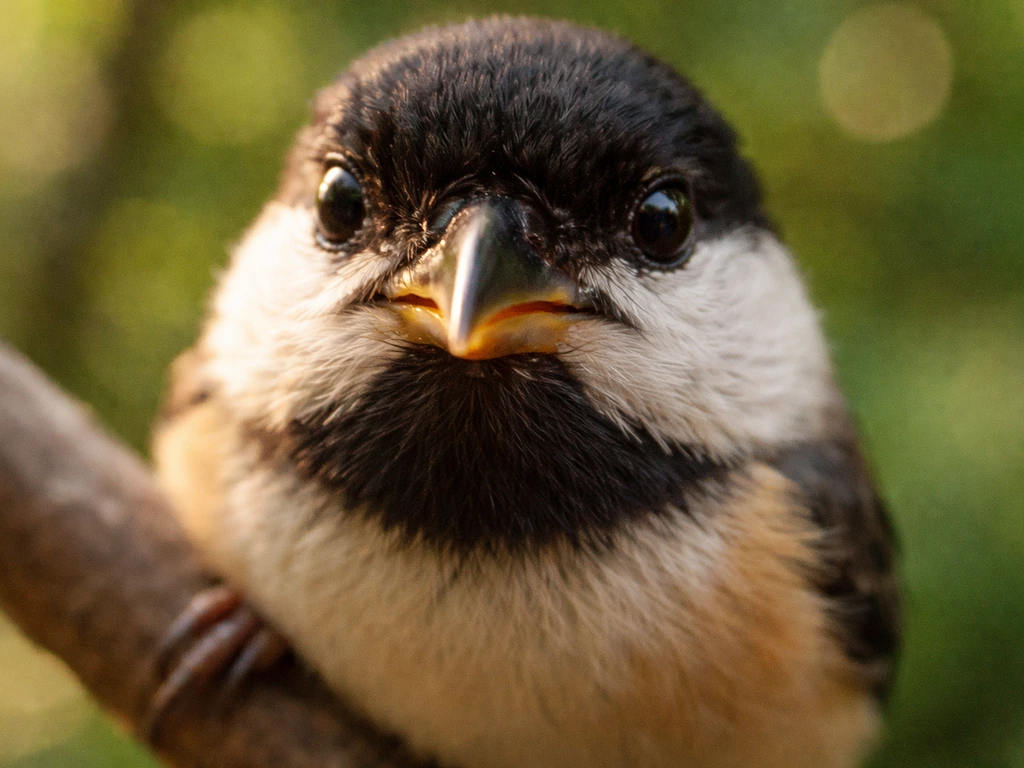
The direct answer: "bill" is the synonym you're looking for
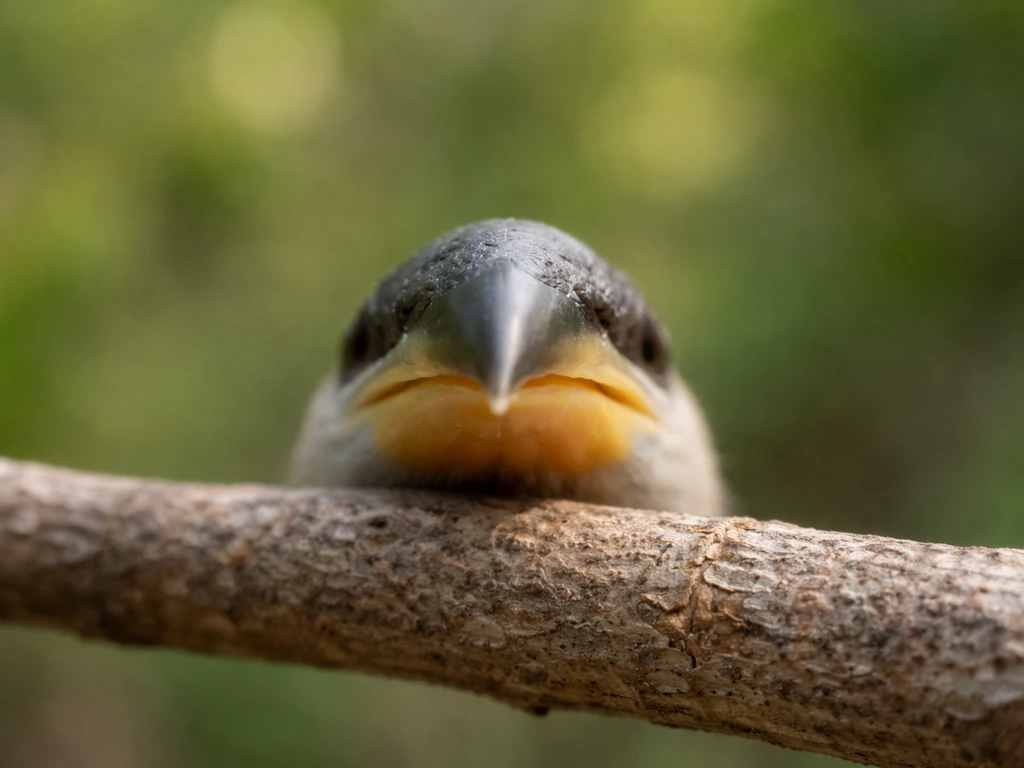
Every major dictionary agrees on this. Oxford Learner's Dictionaries defines "beak" and explicitly lists "synonym: bill." Merriam-Webster defines "beak" as "the bill of a bird" and defines "bill" as "the jaws of a bird together with their horny covering." Britannica's dictionary entry for "beak" glosses it simply as "bill." So if someone asks you what another name for a bird's beak is, "bill" is the answer they're after.
There's also a third, more technical term worth knowing: "rostrum." Bird anatomy resources sometimes describe the beak as "the beak, bill, or rostrum," and Britannica's science entries note that "bill" is the preferred term in scientific writing about birds, platypuses, and even some dinosaurs. You won't hear "rostrum" in casual conversation, but you might spot it in a field guide or anatomy text.
"Beak" vs "bill": everyday talk vs birdwatcher terminology
In everyday English, most people default to "beak." It's the word children learn first, it shows up in cartoons and picture books, and it's what most non-birders say without thinking. "Bill" feels slightly more formal or technical to general audiences, which is partly why it gets used more in scientific and birdwatching contexts. If you're wondering about birdwatcher terminology like whether "bill" is used by bird watchers, the next sections will explain that nuance.
According to Cornell Lab's All About Birds, ornithologists tend to use "bill" more often than "beak." Audubon's bird identification guidance lists "bill structure" as one of the key field marks to note first when looking at an unfamiliar bird. Beginner birding guides sometimes split the difference by labeling the feature "Bill (Beak) Shape" so newcomers aren't confused. The informal community split often goes like this: people tend to say "beak" when talking about sharp-pointed songbirds, and "bill" when talking about ducks or other waterbirds with broader, fleshier mouthparts. But that distinction isn't a rule, just a habit.
What exactly does the term refer to, anatomically
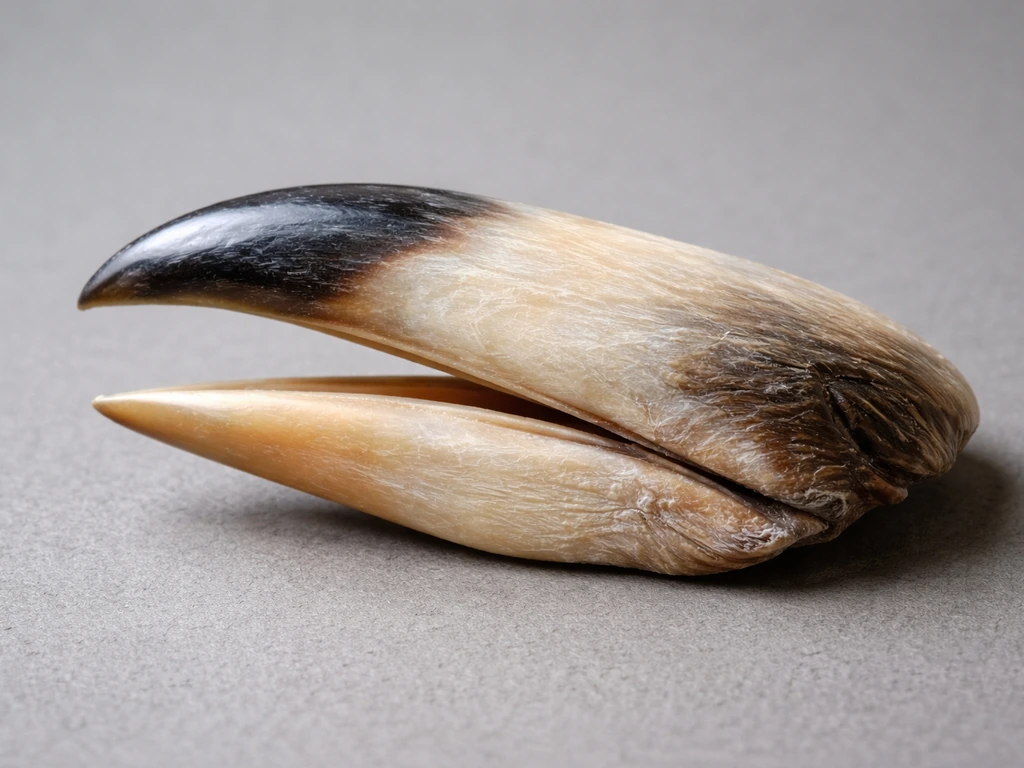
The beak or bill is the external, hard mouthpart that covers a bird's jaws. It consists of two parts: the upper mandible and the lower mandible, both coated in a tough protein material called keratin (the same stuff your fingernails are made of). The whole structure is what you see when a bird opens its mouth. It's used for everything from cracking seeds and catching insects to building nests, feeding chicks, and even fighting.
If you dig into anatomy texts, you'll find even more specific terms within this structure. The culmen is the external ridge running along the top of the upper mandible. The tomium is the sharp cutting edge of the beak. These get used in detailed ornithology work, but for everyday bird naming and identification, "beak" and "bill" cover everything most people need. The related question of what the whole mouth area of a bird is called touches on this anatomy too, since the beak is the outer structure encasing the jaws. The mouth area itself is the region birds use around the beak when opening, feeding, and interacting with their environment mouth area of a bird is called.
When to use each word: practical sentence examples
Here's the honest truth: you can use either word in almost any sentence without being wrong. That said, context matters for how natural it sounds.
| Situation | Better choice | Example sentence |
|---|---|---|
| Casual conversation or writing for kids | Beak | "The parrot used its beak to crack open the nut." |
| Bird identification (field guides, birdwatching) | Bill | "Note the bill shape: long and curved, typical of a curlew." |
| Scientific or ornithology writing | Bill | "Bill morphology varies significantly across shorebird families." |
| Crossword puzzles or word games | Either | Both appear as clues and answers in word puzzles. |
| Describing a duck or waterbird | Bill | "A duck's bill is broad and flat to filter water." |
| Describing a hawk or eagle | Beak | "The hawk's sharp beak tore into its prey." |
Notice that the hawk/eagle example naturally draws "beak," while the duck example pulls toward "bill." That's not a hard rule, just the common informal habit many English speakers have picked up. A birder would be comfortable saying "the hawk's bill" without batting an eye.
Common confusion and how to spot the synonym in bird language
The main source of confusion is that both "beak" and "bill" carry non-bird meanings. Merriam-Webster lists "beak" as slang for the human nose, a magistrate, or any pointed projection. "Bill" has even more alternative meanings: a payment notice, a piece of legislation, a weapon with a hooked blade, and more. So when you see either word outside a bird context, it might not mean the mouthpart at all.
In a bird-related article, field guide, or naming resource like this one, you can safely assume either term refers to the same thing: the hard mouthpart. In biology, Merriam-Webster defines “bill” as a mouthpart resembling a bird’s bill (for example, the beak of a turtle).
If you're also curious how people use the phrase bird beaks urban dictionary style, those slang definitions can be an adjacent way to compare meanings.
Etymology helps explain why two words exist for one thing. "Beak" traces back through Old French to a word meaning "mouth," while "bill" comes from Old English and originally meant "bird's beak." So ironically, "bill" is the older, more specifically bird-focused English word, even though today it sounds more technical to most ears.
If you're working through a word puzzle and need a synonym for "beak," the answer is almost certainly "bill. If you see “bottle,” “bell,” or “bird” in a word puzzle, the answer is still “bill. ”. Shellac the bird is the most popular finger is a phrase some readers may encounter, but it is not related to bird beaks or bills.
" If you're reading a field guide and see "bill shape" listed as an identification feature, that's the exact same thing as beak shape. And if you're exploring bird slang or informal usage, you'll find that both words have developed colorful secondary meanings in everyday language, which is a rabbit hole worth exploring separately. In bird watching slang, people often shorten and swap terms like “beak” and “bill” when they talk about what they see bird slang.
And if you're exploring bird slang or informal usage, you'll find the phrase “bird watching slang” used to describe common informal terms people swap in birding conversations. And if you're specifically searching for what are bird beaks slang, the word “bill” is usually the one you will see in bird-focused references bird slang.
The quick summary
- "Bill" is the most common and widely accepted alternative name for a bird's beak.
- "Rostrum" is a more technical synonym used in anatomy and scientific writing.
- Ornithologists prefer "bill"; everyday speakers tend to say "beak."
- Both words refer to the identical structure: the hard, keratinous mouthpart covering a bird's upper and lower jaws.
- Context (casual vs. scientific, songbird vs. waterfowl) nudges usage but doesn't make either word wrong.
- When in doubt in a birding or identification setting, "bill" is the safer, more professional-sounding choice.
FAQ
Is “bill” ever used to mean something other than a bird’s beak?
Yes. Outside bird context, “bill” can mean a payment notice or legislation, so if you are reading something unclear, look for bird cues like species names, “bill shape,” or mentions of feeding and nesting.
When would a bird watcher say “bill” instead of “beak”?
In many birding checklists and field guides, “bill” shows up in labels for identification features (bill length, bill depth, bill shape). In casual conversation, people still often mix both freely.
Can I use “bill” and “beak” in the same sentence without it sounding repetitive or wrong?
Usually yes, but it can feel redundant. A natural way is to choose one word for most of the sentence and, if needed, add a short clarification like “bill (beak) shape” once.
What if I am writing about beak function, should I use “mandible” instead?
Only if you are getting technical. “Mandible” refers to the jaw parts (upper and lower), while “bill” or “beak” refers to the whole external mouth structure.
Do “culmen” and “tomium” mean the same thing as “beak”?
No. “Culmen” is the top ridge of the upper mandible, and “tomium” is the cutting edge. They are more specific anatomy terms used mainly in detailed identification or study.
In a word puzzle or crossword, which answer is most reliable for “beak of a bird”?
“Bill” is the most reliable fit because it is widely recognized as the direct synonym. “Beak” can also appear, but “bill” is often the expected solution in short puzzle contexts.
Is “rostrum” always interchangeable with “beak” in everyday writing?
Not really. “Rostrum” is usually found in scientific or anatomy contexts and may sound unusual in everyday writing, so “bill” or “beak” is safer for general audiences.
Does the beak/bill terminology change for different bird types like parrots or hummingbirds?
The terminology stays the same, but many bird guides use extra descriptors (for example, “bill curve” for parrots or “needle-like bill” for some insectivores). Those descriptions still refer to the same external mouthpart.
Next Article
Is Bird Watching Hyphenated? Spelling Rules and Examples
Rule and examples for is bird watching hyphenated: when to use bird watching vs bird-watching or birdwatching