Magpie is pronounced MAG-pye, with the stress firmly on the first syllable. The IPA is /ˈmæɡpaɪ/. Say it like the word "mag" (as in magazine) followed by "pie" (as in the food). If you are also wondering how to pronounce the nene bird, use the same syllable-by-syllable approach and listen for the stress pattern how to pronounce nene bird. That's it. Two syllables, stress on the first, and the second rhymes with sky.
How to Pronounce Magpie Bird: Easy Guide + IPA

James Ridgley
27 May 2026
Which bird are we talking about?
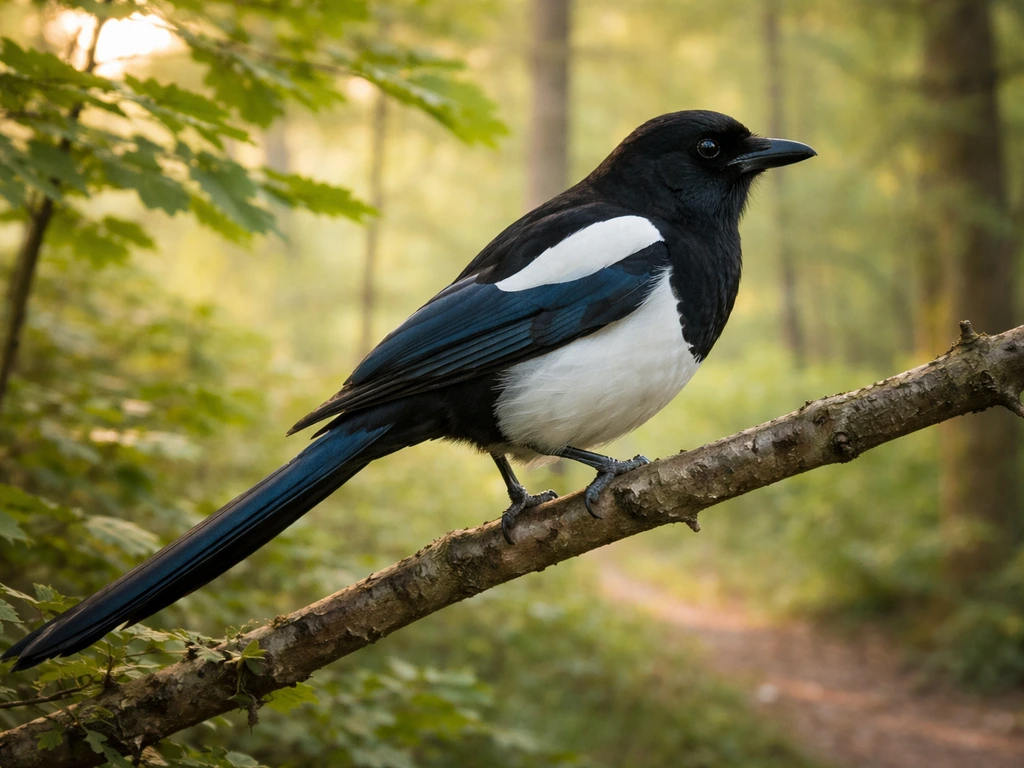
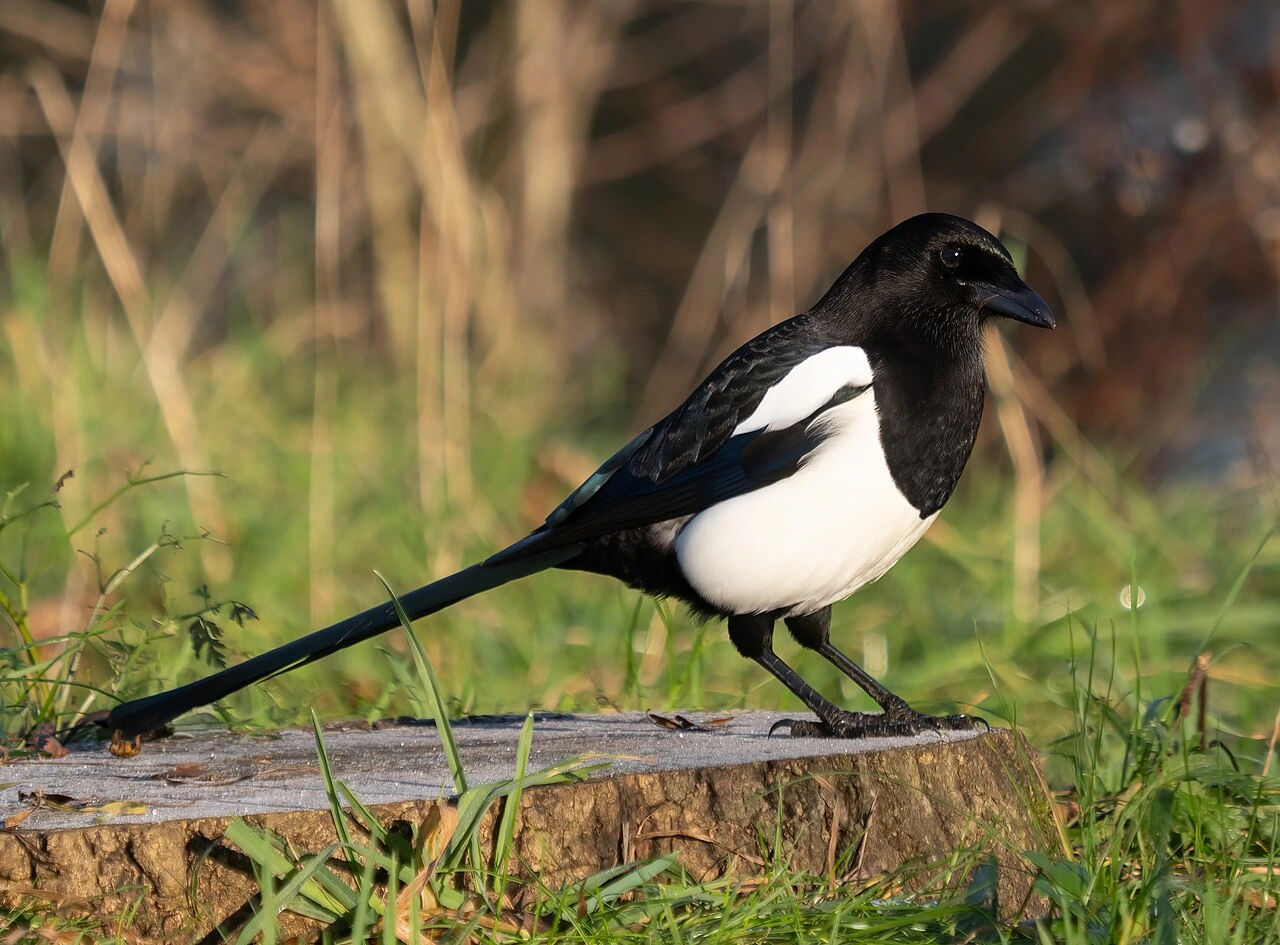
The word "magpie" by itself is already the proper name of the bird, so "magpie bird" is just an informal way of being extra clear, the way someone might say "a robin bird" in conversation. The myna bird (also spelled myna) is another common bird name in English, and it's pronounced differently from magpie. When English speakers say magpie, they almost always mean the Eurasian magpie (Pica pica), the bold black-and-white corvid famous for its intelligence and noisy chatter.
Britannica Dictionary defines “magpie” as a noisy black-and-white bird noisy black-and-white corvid. Cornell's All About Birds and Wikipedia both list this species as the default meaning of the word in English.
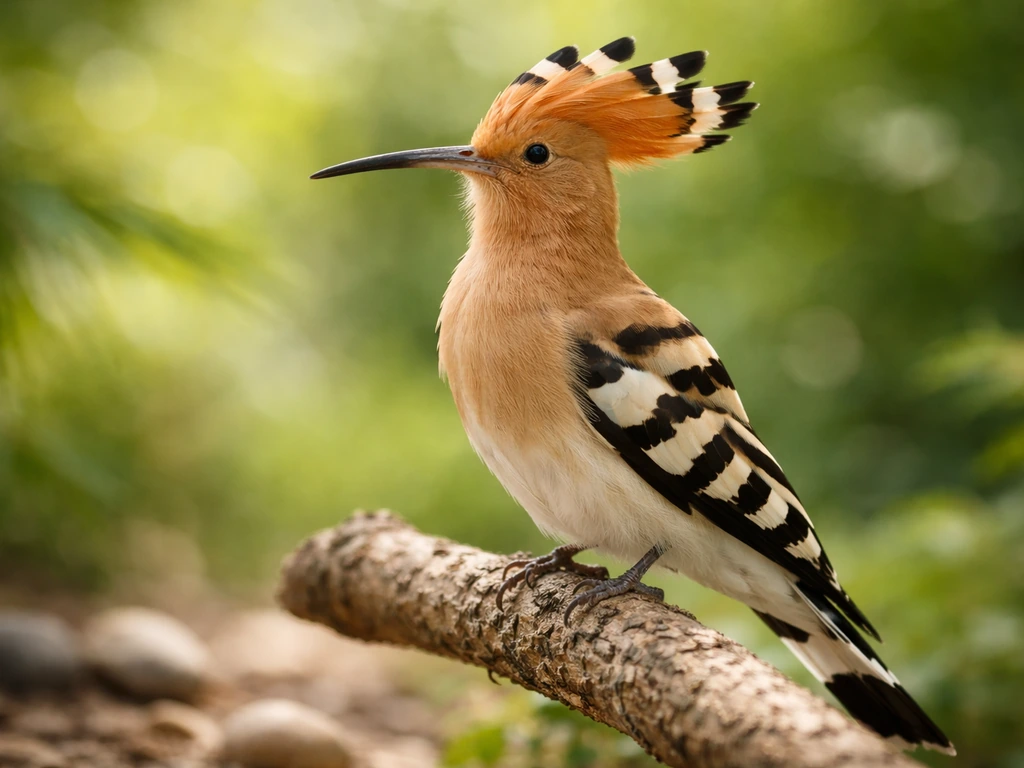
There are other birds called magpies too, including the Australian magpie and various Asian magpie species, but none of them change how you pronounce the shared name. So whether you're saying "magpie" or "magpie bird," the pronunciation guidance in this article applies across the board. If you're instead trying to figure out how to pronounce hoopoe bird, use the same careful, syllable-based approach in the hoopoe guide.
The quick everyday pronunciation
In normal, everyday English speech, you say MAG-pye. The first syllable, MAG, rhymes with "bag," "tag," and "flag." The second syllable, pye, rhymes with "sky," "fly," and "pie" (the food, obviously). Put them together with a clear beat on MAG and let the second syllable come out lighter and you've got it. This pronunciation is consistent across both American and British English. There's no meaningful vowel shift or stress difference between the two accents on this particular word, which makes magpie one of the easier bird names to get right regardless of which side of the Atlantic you're on.
Phonetic guide and IPA breakdown
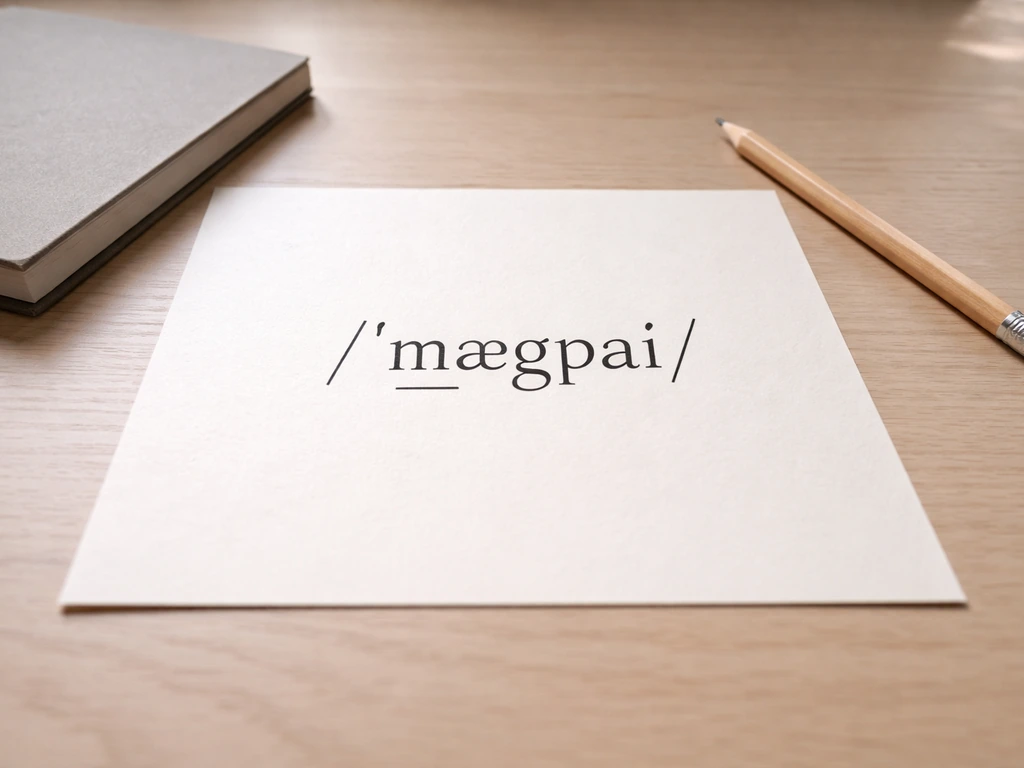
Here is every source in agreement. Oxford Learner's, Cambridge, and Britannica all give the same core IPA: /ˈmæɡpaɪ/. The ˈ symbol before the first syllable shows where the stress falls. Let's break it down piece by piece.
| Part | IPA | Sounds like | Notes |
|---|---|---|---|
| MAG | /mæɡ/ | "mag" in magazine | Short /æ/ vowel, like "cat" or "bag" |
| PIE | /paɪ/ | "pie" the food | Diphthong /aɪ/ glides from "ah" toward "ee" |
| Full word | /ˈmæɡpaɪ/ | MAG-pye | Stress on first syllable only |
The only part worth slowing down on is the /aɪ/ diphthong in "pie." It's not a flat, held vowel. It glides: start with an open "ah" sound and let your mouth move toward "ee" as you finish. You end up with something that naturally sounds like "eye" or "sky." If you can say "my" or "fly," you can say the second syllable of magpie. If you are also wondering how to pronounce a mynah bird, the same kind of syllable-splitting practice can help how to pronounce mynah bird.
Saying "magpie bird" as a two-word phrase
When you say the full phrase "magpie bird," the stress pattern is: MAG-pye BERD. Both content words carry their own stress, but "magpie" takes the primary emphasis since it's the more specific term. In natural speech, the two words link together smoothly: the final /paɪ/ of "magpie" flows straight into the /b/ of "bird" without a pause. It sounds like MAG-pye-berd in quick speech, almost as if it's three syllables run together. There's no special British vs. American difference here either. Just keep your stress on MAG, land normally on "bird," and you're good.
Mistakes people make (and how to fix them)
There are a few patterns I see come up regularly when people are unsure about this word.
- Stressing the wrong syllable: saying mag-PYE instead of MAG-pye. This is the most common error. The stress always goes on the first syllable, MAG. If you say it like a question with the emphasis on the end, it sounds off.
- Saying the "pie" part as /piː/ (like "pee"): Some people, especially those whose first language has different vowel systems, flatten the diphthong and say mag-PEE. The correct vowel is /paɪ/, rhyming with "sky," not /piː/ rhyming with "see."
- Saying "mag-PIE-bird" with equal stress on all three syllables: In natural English, you don't pound each syllable equally. Let MAG take the lead, and the rest of the phrase follows at a slightly lower volume.
- Pronouncing the G in "mag" too softly: The /ɡ/ is a hard G, like the G in "get" or "gap." It's not a soft G or a J sound.
- Adding an extra syllable: A few learners say MAG-a-pie or MAG-a-pye, possibly by analogy with words like "magnet" or "magenta." There's no middle vowel. It's two syllables: MAG-pye.
Quick ways to practice and lock it in today
The fastest way to get a pronunciation right is to tie it to something you already know. For magpie, the mental shortcut is easy: say "mag" as in "magazine" and then say "pie" as in the thing you eat. Run them together with a tap on MAG and you've nailed it. You can also look it up on Cambridge Dictionary's audio tool or Merriam-Webster's online entry, both of which have speaker buttons that play the word back in a native accent. Listening to it once or twice alongside your own attempt is more effective than reading about it.
- Say these three words in a row: bag, tag, mag. Feel the short /æ/ vowel. That's your first syllable.
- Now say: sky, fly, pie. Feel the /aɪ/ diphthong glide. That's your second syllable.
- Combine them: MAG (pause) pye. Then speed it up: MAG-pye.
- Add the second word: MAG-pye BERD. Say it three times at a natural conversational pace.
- Listen to the Cambridge or Merriam-Webster audio and compare it to your own voice.
If you're someone who works better with visual anchors, just picture the bird's bold black-and-white plumage alongside the two images: a magazine cover and a bakery pie. MAG + pie. The visual makes the structure stick. This approach works well for other bird names too.
If you're working through a list of tricky pronunciations, the same kind of phonetic anchoring helps with birds like hoopoe, rhea, or xeme, all of which have spelling-to-sound patterns that aren't immediately obvious from the letters alone. If you're also looking up how to pronounce xeme bird, focus on the spelling to sound pattern rather than guessing from the letters.
If you want the pronunciation for the rhea bird too, look up the exact sounds in the same spelling-to-sound style used for other bird names here. Hoopoe is typically pronounced “HOH-oo-pee,” with the stress on the first syllable.
Why "magpie" is spelled and sounds the way it does
Understanding the origin of a word makes its spelling and pronunciation a lot less arbitrary. Magpie dates from the late 16th century and is built from two elements: Mag and pie. Etymonline further breaks magpie into an element related to Mag (Margaret) plus pie, with pie tracing back through Latin and Old French naming for the bird [Mag and pie](https://www. etymonline.
com/word/magpie). Mag is a pet form of the name Margaret, which was commonly used in older English to refer to chattering or gossipy people, a nod to the bird's noisy reputation. The second element, pie, was actually the original English name for the bird itself, coming through Old French and ultimately from a Latin root connected to the European magpie. So when you say MAG-pye, you're essentially saying "Margaret-bird" in a compressed, historical shorthand.
This is why the spelling makes sense phonetically: "pie" in English is always /paɪ/, the same diphthong whether you're talking about apple pie or the bird name. Knowing this also helps you trust the spelling when you see it in a field guide or crossword clue. The letters tell you exactly how to say it. There's no hidden silent letter, no irregular vowel shift. Mag + pie = /ˈmæɡpaɪ/. That's the whole story, and once you know it, you won't second-guess the pronunciation again.
FAQ
Should I stress “bird” when I say “magpie bird”?
Not usually. In careful speech you can say “magpie” as MAG-pye, then “bird” as berd. In fast everyday speech, the transition often sounds like MAG-pye-berd, but the stress pattern stays the same (main emphasis on MAG, not on “bird”).
What are the most common pronunciation mistakes for magpie?
The most common slip is saying “mag-PEE” or “mag-PAY.” The second syllable is the diphthong /aɪ/, so it should sound like “eye” or “sky,” not a long “ee” alone. A quick check is whether you can replace /paɪ/ with “fly” or “pie” and keep the same shape.
How can I practice “magpie” without overthinking the IPA?
Try a two-step practice: first say “mag” by itself (rhymes with “bag”), then immediately add “pie” by itself (rhymes with “sky”). If you feel a pause between them, remove the pause and keep the beat on MAG so the second syllable comes out lighter.
Why do some dictionaries show slightly different IPA for the same word?
If a dictionary gives a different-looking IPA for “magpie,” it is usually because of the level of detail (some include extra phonetic notes), not because the core pronunciation changes. For English, the stress stays on the first syllable, and “pie” stays /paɪ/.
Does the pronunciation change for Australian magpie or other magpie species?
No. The pronunciation is the same regardless of which species people mean, including Eurasian, Australian, or various regional “magpies.” What changes is context, not the sound of the shared English name.
Is it wrong to say “mag-pie bird” with a noticeable pause?
Yes, if you treat it like a different word, for example “mag-pie” with a strong gap. English pronunciation tends to link the words smoothly, so you should avoid inserting a clear break before the “bird” part. Think “magpie” as one unit first, then add “bird.”
How do I know if my stress is correct when speaking it aloud?
In writing, you can confirm you are using the right stress by listening for the stronger “MAG” beat. If your version sounds more like two equal beats, slow down and re-aim for MAG being dominant and the second syllable staying more quick and light.
How do I pronounce the “pie” part correctly if I tend to say it like “pee”?
The correct “pie” sound is the diphthong /aɪ/, so avoid pronouncing it like “pee” (/piː/) or “pay” (/peɪ/). A useful test is whether “my” and “fly” match your second syllable quality.
Next Article
How to Pronounce Hoopoe Bird: Phonetics, Syllables, Stress
Learn how to pronounce hoopoe bird with phonetics, syllables, stress, fixes for common mispronunciations, plus dialect t