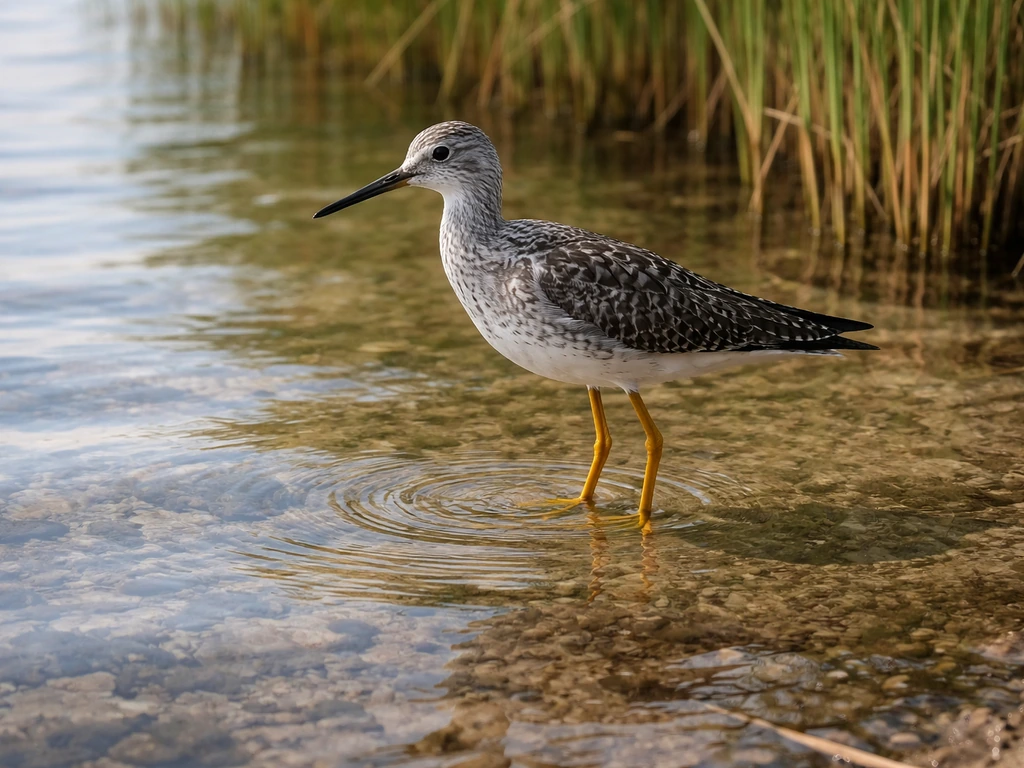
Pronounce it exactly as it looks: WAY-ding BERD. The full IPA is /ˈweɪdɪŋ bɜːd/ in British English and /ˈweɪdɪŋ bɝːd/ in American English. Stress falls on the first syllable of "wading," and "bird" carries a secondary, natural stress. The only real difference between UK and US speech is what happens inside that vowel in "bird", more on that below.
How to Pronounce Wading Bird Step by Step

James Ridgley
16 May 2026
Breaking it down: wading + bird
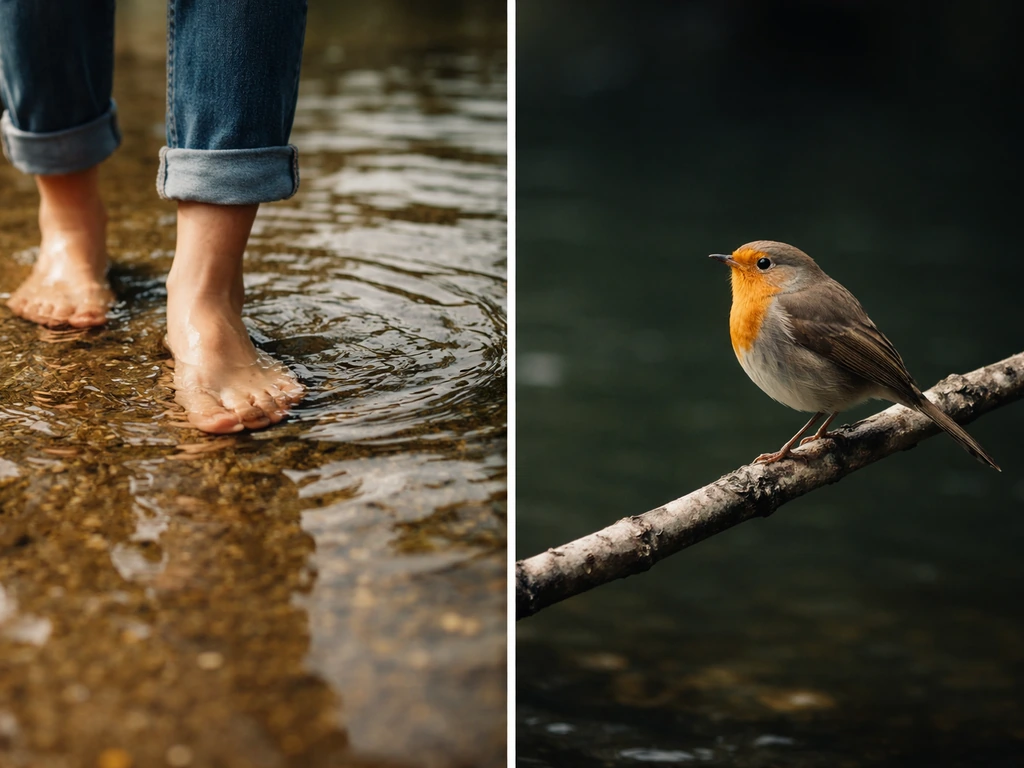
It helps to tackle the two words separately before snapping them together. "Wading" comes from the verb "wade," which both Cambridge and Oxford transcribe as /weɪd/, that's a long "ay" sound, like the word "weigh." Add the "-ing" suffix and you get /ˈweɪdɪŋ/: WAY-ding. The "-ing" ending is a short, relaxed /ɪŋ/ sound, not a hard "-ing-g." Merriam-Webster confirms that the modern standard is /ɪŋ/, not the older /ɪŋg/ variant you might occasionally hear in very formal or regional speech.
"Bird" is /bɜːd/ in British English. Think of the vowel in "her" or "word", that stretched, rounded mid-vowel. In American English the same vowel picks up an r-coloring and becomes /bɝːd/, so it sounds a little more like "burred." Either way, it's one syllable, and rhymes with "heard," "word," and "third."
| Element | IPA | Sounds like |
|---|---|---|
| wade | /weɪd/ | weighed |
| wading | /ˈweɪdɪŋ/ | WAY-ding |
| bird (UK) | /bɜːd/ | rhymes with "heard" |
| bird (US) | /bɝːd/ | rhymes with "heard" with r-color |
| wading bird (UK) | /ˈweɪdɪŋ bɜːd/ | WAY-ding berd |
| wading bird (US) | /ˈweɪdɪŋ bɝːd/ | WAY-ding berd (r-colored) |
US vs UK: what actually sounds different
"Wading" is identical on both sides of the Atlantic: /ˈweɪdɪŋ/, no variation. The only place you'll notice a difference is in "bird." British English is non-rhotic, meaning the "r" in the spelling doesn't get pronounced as a consonant sound. So a British speaker says /bɜːd/, a long, pure vowel with no r-sound. American English is rhotic, meaning that r is very much present. You hear /bɝːd/, with the tongue curling slightly back as you hold the vowel. If you're American and you've ever heard a British person say "bird" and thought it sounded like "bud" stretched out, that's the rhotic difference at work.
In practice, both versions are instantly understood by any English speaker. When you're in a birding group, nobody is going to clock which side of the Atlantic your vowels come from. Just use whichever sounds natural to you.
Common mistakes and how to fix them
A few errors come up repeatedly when people say this phrase for the first time, especially if they're reading it off a field guide label rather than hearing it in conversation.
- Wrong stress: saying wuh-DING instead of WAY-ding. The stress is always on the first syllable. Say "way" loudly, then attach "-ding" softly: WAY-ding.
- Over-hardening the "-ing": saying WAY-ding-G as if there's a hard stop at the end. The "-g" is silent in modern English. Let the word finish with a soft nasal: WAY-ding (rhymes with "playing" or "staying").
- Rhyming "bird" with "beard": "bird" uses the vowel in "her," not the vowel in "ear." If you say "beard" you've added the wrong vowel entirely. Think "word" or "herd" instead.
- Swallowing the "d" in "wading" when speaking quickly: in fast speech, the "-d" between "wading" and "bird" can blur with the "b" that follows. Slow down slightly between the two words until the phrase feels natural: WAY-ding... BERD.
- Mispronouncing "wading" as "wedding": the vowel is /eɪ/ ("ay" as in "say"), not /ɛ/ ("eh" as in "met"). Wade, not wed.
How to say it in a real sentence
In everyday birding conversation, "wading bird" slots in naturally as a noun phrase describing a category of bird. Here's how it sounds in casual use:
- "That's a wading bird over there by the reeds." (WAY-ding BERD over there by the reeds)
- "I spotted three wading birds at the estuary this morning." (three WAY-ding BERDZ)
- "Herons are classic wading birds." (classic WAY-ding BERDZ)
- "The field guide has a whole chapter on wading birds." (on WAY-ding BERDZ)
Notice that in natural speech, you don't punch both words equally hard. "Wading" carries the main stress, and "bird" lands more lightly unless you're contrasting it with another type of bird ("a wading BIRD, not a wading mammal", unlikely, but you get the idea). In plural form, "birds" just picks up a /z/ sound: BERDZ.
The related terms you'll hear in the field
You'll often see "wading bird" swapped out for other terms depending on whether you're reading a North American or European field guide, and it's worth knowing how to pronounce all of them. You can also use this guide as a quick reference for how to pronounce turkey bird in both UK and US accents wading bird.
"Wader" is the most common British and European alternative. Pronounce it WAY-der (/ˈweɪdə/ in UK English, /ˈweɪdər/ in US English). The r is silent in British speech and pronounced in American. Wikipedia notes that in North America, "wading birds" tends to refer specifically to long-legged birds like herons, egrets, storks, and flamingos, while in Europe, "waders" often means shorebirds or wading birds that pick through shorelines and mudflats. Either way, the pronunciation of "wader" follows the same vowel pattern as "wading": that long /eɪ/ sound up front.
"Shorebird" is the preferred North American term for birds that wade along shorelines. Pronounce it SHORE-berd (/ˈʃɔːrbɜːd/ in UK, /ˈʃɔːrbɝːd/ in US). Plover is another bird name that crops up in this same conversation, and if you've looked at how to pronounce plover bird, you'll know it has its own slightly tricky vowel. The broader pattern across this group of bird names is that the stress almost always falls on the first syllable.
| Term | UK pronunciation | US pronunciation | Used most in |
|---|---|---|---|
| wading bird | /ˈweɪdɪŋ bɜːd/ | /ˈweɪdɪŋ bɝːd/ | Both, but especially North America (for herons, egrets, etc.) |
| wader(s) | /ˈweɪdə(z)/ | /ˈweɪdər(z)/ | Europe/UK field guides |
| shorebird | /ˈʃɔːbɜːd/ | /ˈʃɔːrbɝːd/ | North America (shorebirds/waders) |
Quick practice drills and how to check your pronunciation
The fastest way to nail any word or phrase is repetition in context, not just saying it in isolation. Try these drills:
- Say the vowel alone first: "AY" (as in "say"). Now add the consonants: W-AY-ding. Do this three times slowly, then speed up.
- Drill "wading" by rhyming it: playing, staying, swaying, wading. Say the rhyme chain out loud until wading feels as natural as playing.
- Now attach "bird": WAY-ding BERD. Repeat five times, keeping the stress on WAY every time.
- Use it in a sentence you'd actually say: "Is that a wading bird?" Say it ten times at conversation speed.
- Swap in the plural: "Are those wading birds?" Notice how "birds" just adds a quick /z/.
To verify with audio, go to the Cambridge Dictionary and look up "bird", it has separate UK and US audio buttons you can toggle between. Do the same for "wade" to hear the base vowel. Oxford Learner's Dictionaries also has audio for both words and includes IPA transcriptions with a full pronunciation guide if you want to read the symbols rather than just listen. For real-world examples in spoken sentences, YouGlish is excellent: search for "wading bird" and you'll hear actual native speakers using the phrase in videos. If you want to practice how to pronounce swallow bird, search for the exact phrase on YouGlish and listen for the stress and vowel shape in real speech. Forvo is another solid option for hearing individual words recorded by native speakers from different regions.
If you want North American phonetics in a text format, the CMU Pronouncing Dictionary (free online) breaks English words into phoneme sequences using a standardized system, useful if IPA symbols feel unfamiliar. And Merriam-Webster's entry for "wading bird" includes example sentences in context, which helps you hear the phrase in your head even without audio.
The short version: say it like this
Say WAY-ding BERD. Stress the first syllable of "wading," keep the "-ing" light and without a hard g, and use the vowel from "word" or "heard" in "bird. If you want the quick answer, follow the same steps for how to pronounce bird on its own before adding wading. " If you're British, drop the r in "bird"; if you're American, let it roll through. Both are correct. When you use the phrase in a sentence, it flows naturally: "That heron is a classic wading bird." Practice the rhyme chain (playing, staying, wading) to lock in the vowel, then listen to Cambridge or Oxford's audio for "bird" to hear both accent options side by side. That's genuinely all it takes.
FAQ
How do I pronounce wading bird if I only know the spelling, not IPA?
Say it as two chunks, WAY-ding plus BERD. Keep “wading” like “weigh” (long AY) then a light “ing” that ends without a strong extra “g” sound. For “bird,” use the vowel from “word” (British) or “heard” with an r-coloring (American), so you end up with one smooth syllable: BERD/ bɝːd.
Do people ever pronounce “wading” like “WAY-ding-g” with an extra g?
That extra “g” is usually not part of the modern standard. Aim for a relaxed final “-ing” ending (like /ɪŋ/), especially in quick speech. If you say an extra hard “g,” it can sound overly formal or slightly off from what most native speakers use.
Is there a way to know whether I should use the British or American “bird” vowel?
Pick the accent you’re using for the rest of your English. The phrase is understood either way, but consistency matters. If you already pronounce “word” without an r-sound, use the British-style bird vowel, /bɜːd/. If your “bird” naturally rhymes with “heard” and includes an r-sound, use the American-style /bɝːd/.
Should “wading bird” be stressed like one word, or two separate words?
Stress “wading” as the main beat. In normal conversation, “bird” is lighter unless you are contrasting categories. A helpful test is to say it in a sentence and see if your voice naturally rises and falls more on “wading” than on “bird”.
How do you pronounce it in plural, “wading birds”?
Use the same base pronunciation for both words, then pluralize “birds.” Add a voiced Z sound at the end, so it feels like BERDZ (one syllable for “birds” plus the z ending). The stress pattern stays the same, “wading” remains the main stressed part.
What’s the most common mistake when reading a field guide label?
Over-spotting the “-ing” or over-stressing both words equally. Many learners say “wading” like it has a heavy “-ing-g” or they make “bird” as prominent as “wading.” Another common slip is treating “bird” as “bud” (short u) instead of using the “word/heard” style vowel.
Does “wading bird” rhyme with anything I can use as a memory trick?
The “bird” part uses a vowel that rhymes with words like “heard” and “word.” For “wading,” the long AY in “wading” pairs well with “staying” or “playing.” If you can say “WAY-ding” and then immediately “BERD” with the same vowel you used in “heard,” the full phrase will usually fall into place.
If I’m talking about “waders,” is the pronunciation the same as wading?
It’s close for pronunciation. “Wader” follows the same core “WAY-der” pattern, with the main difference being that “-er” instead of “-ing.” In British English the final r sound is typically not pronounced, while in American English it is.
How should I pronounce it when used as part of a longer noun phrase, like “a classic wading bird”?
Keep the same internal stress (main stress on “wading”), but reduce the volume of “bird” even more when it follows an adjective like “classic.” In running speech, articles and adjectives are weaker, so your emphasis should land on the category word: “classic WAY-ding bird.”
Next Article
How to Pronounce Swallow Bird: Say It Like This
Clear guide to pronouncing swallow bird with phonetics, stress, and differences between bird and verb swallow.