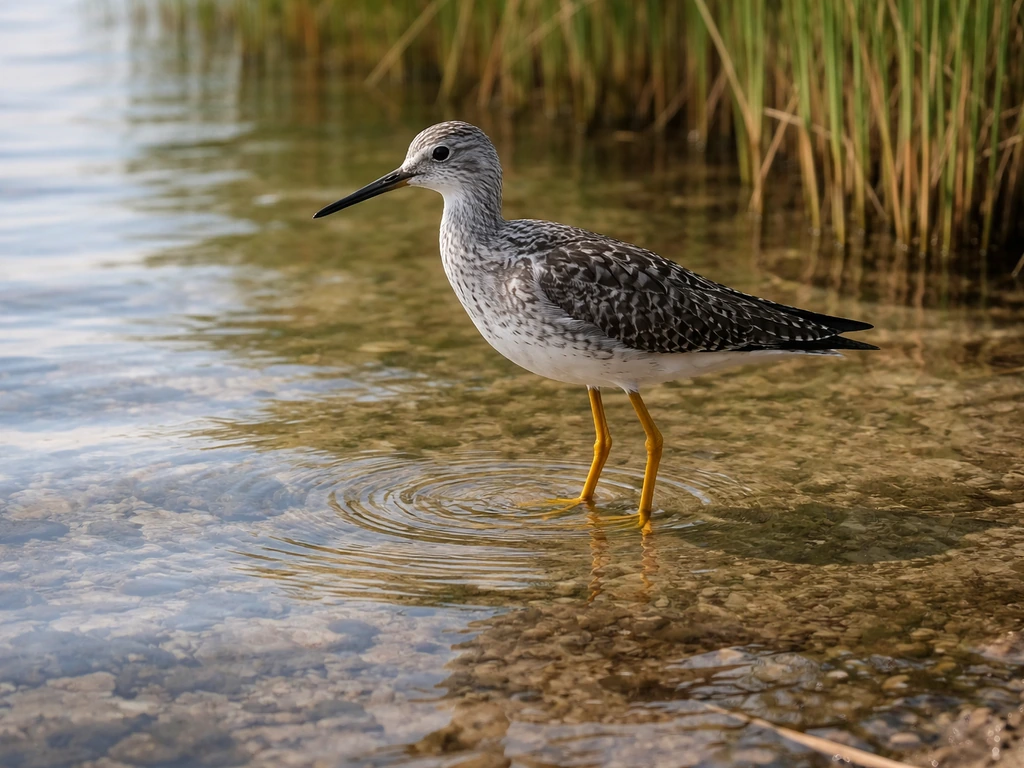
blank" rel="noopener noreferrer">Plover is pronounced PLUH-ver, rhyming with "lover" and "cover" rather than "clover" or "rover. Swallow is another name birders use, and nailing its pronunciation will help you say “swallow bird” smoothly Plover is pronounced. " The two syllables break down as PLUH (stressed, like the "u" in "cup") and -ver (unstressed, like the ending of "river"). That's the standard pronunciation used by most ornithologists, field guides, and dictionaries, and it's the one you want to reach for when talking birds with anyone who takes their species names seriously.
How to Say Plover Bird: Pronunciation Guide

James Ridgley
21 May 2026
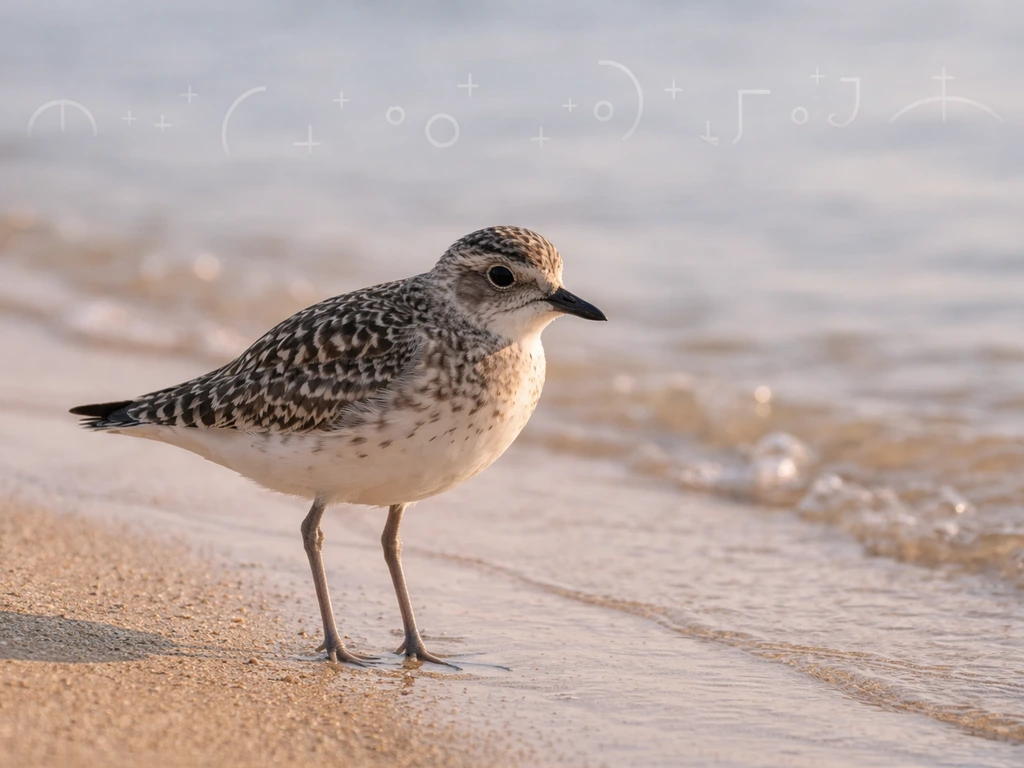
The pronunciation spelled out phonetically
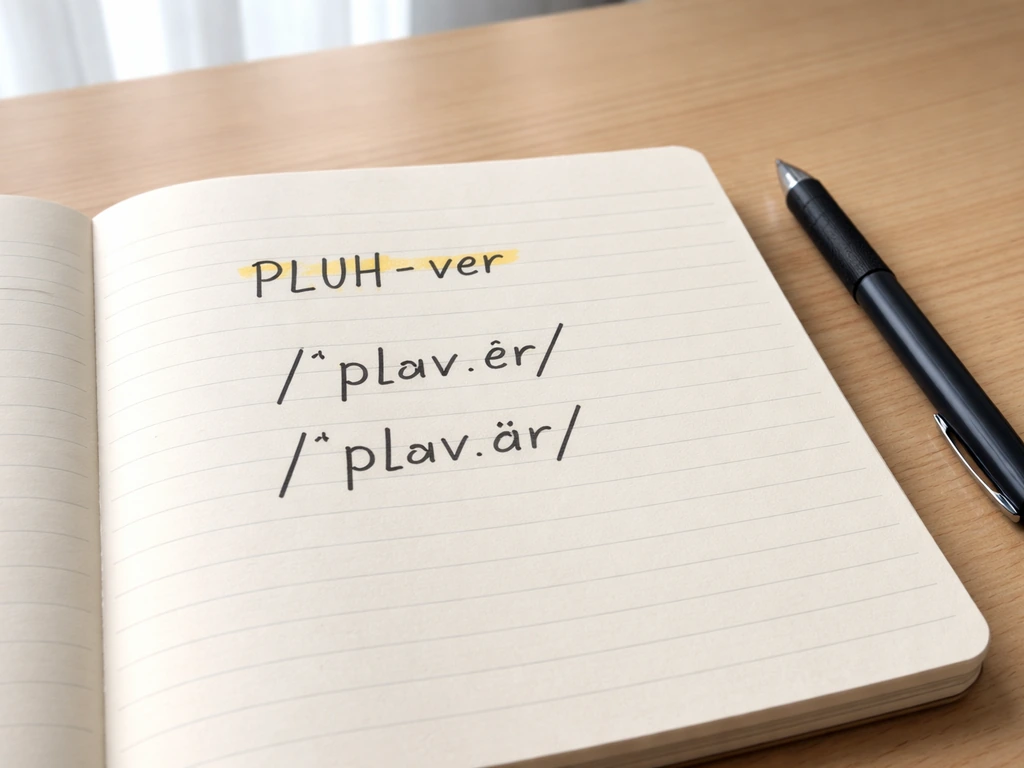
Here's the full phonetic picture for plover, pulled from the major dictionaries so you have multiple references to lean on:
| Source | IPA Transcription | Plain English Spelling |
|---|---|---|
| Cambridge (UK) | /ˈplʌv.ər/ | PLUH-ver |
| Cambridge (US) | /ˈplʌv.ɚ/ | PLUH-ver |
| Oxford Learner's | /ˈplʌvə(r)/ | PLUH-ver |
| Merriam-Webster (main) | ˈplə-vər | PLUH-ver |
| Merriam-Webster (variant) | ˈplō-vər | PLOH-ver |
The IPA symbol /ʌ/ is the same short vowel you hear in "cup," "luck," and "love." The blank" rel="noopener noreferrer">stress mark /ˈ/ sits before the first syllable in every transcription, which tells you the emphasis lands on PLUH, not on -ver. The only real difference between US and UK versions is how the final /r/ is handled: American English makes it rhotic (you actually pronounce the r), while British English softens it into a schwa. Either way, the first syllable is identical.
Syllable and stress breakdown
- Total syllables: 2
- Syllable 1: PLUH (stressed, like the vowel in "plus" or "plum")
- Syllable 2: -ver (unstressed, like the ending of "river" or "silver")
- Stress pattern: PLUH-ver (strong on first, weak on second)
Saying "plover bird" as a natural phrase
When you add "bird" after "plover," the pronunciation of plover itself doesn't change at all. To say a budgie bird, you follow the same idea: learn the word in context so the stress and sounds land naturally. The phrase comes out as PLUH-ver BIRD, with primary stress still sitting on that first syllable: PLUH. In natural, conversational speech you get a gentle rhythm that sounds like "PLUH-ver-bird," almost running the two words together, with a brief stress on PLUH and a lighter touch on -ver and bird. If you are working on a different species phrase like turkey bird, the same step-by-step approach to syllables and stress will help you pronounce it confidently how to pronounce turkey bird. If you're saying it slowly for clarity (or correcting someone), give each syllable a full beat: PLUH... ver... BIRD.
Saying plover as part of a species name works the same way. "Piping plover," "killdeer plover," "golden plover" all keep the PLUH-ver core intact. The word plover doesn't change its pronunciation depending on which species you're talking about, so once you've nailed the base word, you're set across the board.
Where people go wrong (and how to fix it)
The single biggest mistake is pronouncing plover to rhyme with clover or rover, turning it into PLOH-ver. A related pronunciation guide for saying "weaver bird" follows the same idea of syllable stress and natural rhythm. It's an understandable slip because the spelling looks like it should follow the long-O pattern. But plover belongs to the same vowel family as "lover" and "cover," not "mover" or "clover." Interlochen Public Radio has even noted on air that plover is "technically pronounced 'pluh-ver,'" which gives you a sense of how widespread the PLOH-ver confusion really is. Cornell Lab of Ornithology sums it up neatly with: "You say PLUH-ver and I say PLO-ver", so you'll hear both in the wild, but PLUH-ver is the one with dictionary and ornithological backing.
There's a secondary mistake where people stress the wrong syllable, saying pluh-VER instead of PLUH-ver. This one happens less often, but it can make the word sound strange to experienced birders. Keep that emphasis firmly on the first syllable and you'll sound completely natural.
| Common Mistake | What It Sounds Like | The Fix |
|---|---|---|
| Rhyming with "clover" | PLOH-ver | Use the vowel from "love," not "drove" — say PLUH-ver |
| Stressing the second syllable | pluh-VER | Stress always lands on the first syllable: PLUH-ver |
| Adding a silent letter sound | plov-ER or PLO-vah | Keep it simple: two syllables, PLUH-ver, done |
Practice tips to lock it in
The fastest way to get a pronunciation to stick is to hear it, say it, and check yourself, all in quick succession. Here's a simple sequence that works:
- Pull up the Merriam-Webster or Cambridge Dictionary entry for "plover" and hit the audio button. Listen to it two or three times before you try saying it yourself.
- Say the anchor word "lover" out loud. Then put a "pl" at the front: pl-UHVER. You've just said plover. That's the vowel you want.
- Now say the full phrase slowly: PLUH... ver... BIRD. Three beats, first one stressed.
- Speed it up to normal conversation pace: PLUH-ver BIRD. Say it five times in a row without stopping.
- Record yourself on your phone and play it back against the dictionary audio. If the first syllable vowel matches "love" and not "clove," you've nailed it.
Shadowing is another technique worth trying if you want to go deeper. It means listening to someone say the word (or a sentence containing it) and repeating along in real time, matching their rhythm and vowel sounds as closely as possible. Audubon's plover pages include bird calls and species audio that can give you natural context for hearing the word spoken in birding settings. Even a short YouTube clip of a birder talking about piping plovers or golden plovers gives you plenty of repetitions to shadow.
One quick mental check before you say it: think of "lover" and ask yourself if you'd say LO-ver. You wouldn't. Same logic, same vowel, same fix. If you've got the hang of other bird names with tricky pronunciations, like grebe or frigate bird, you already know that bird naming doesn't always follow the spelling rules you'd expect. Grebe and frigate bird are two other bird names people often get wrong, so it's worth practicing the sound, not the spelling. Plover is another one of those words where the vowel does something unexpected on the page but sounds perfectly natural once you've heard it a few times.
FAQ
What is the IPA breakdown for “plover” (not just the plain pronunciation)?
In IPA, “plover” is typically written as /ˈplʌvər/. The key is the stressed first syllable with the short vowel /ʌ/ (like “cup”), and then a softer second syllable, ending with a schwa-like sound rather than a long “e” or a drawn-out “o.”
Does “plover bird” change pronunciation in casual speech compared with saying only “plover”?
Yes. When you say it as “plover bird,” many speakers naturally blend the words in fast speech (PLUH-ver-bird). If you need clarity for beginners, pause briefly after “plover” and give “bird” a clean beat, then speed up once the listener is comfortable.
Do species names like “piping plover” or “golden plover” change how you pronounce “plover”?
No, the base word “plover” stays the same across species (piping plover, killdeer plover, golden plover, and others). What can change is sentence rhythm, for example which word you emphasize, like “PIP-ing plover” versus “piping PLOU-ver” if you are listing multiple species.
What’s the fastest way to correct the “PLOH-ver” mistake?
To avoid the common “PLOH-ver” slip, practice by forcing the first syllable to match “lover” and “cover,” not “clover.” A quick drill is to say “lover,” then immediately change only the consonant at the front to make “plover,” keeping the vowel the same: “LO-ver” to “PLUH-ver.”
How can I tell if I’m stressing the wrong syllable or stretching the vowel too much?
Some people overcorrect and swing to “plov-air” or “pluh-VER” with too much emphasis. A safer target is strong stress on PLUH, then keep “-ver” lighter, close to “ver” inside “river,” without stressing it. Recording yourself for 5 to 10 seconds can reveal whether the second syllable is getting too loud.
What should I do if someone keeps rhyming “plover” with “clover,” especially in a group setting?
If you’re speaking to a mixed group, say the phrase slowly once (PLUH… ver… BIRD), then repeat at normal speed. This reduces misunderstanding without sounding overly robotic. If someone still says “clover” rhyme, don’t just say it again, say “lover” first, then swap in “plover,” so they have a reference point.
Does American vs British pronunciation change where the stress lands on “plover”?
Regional accents can affect how “r” is handled at the end of the word. American English often keeps the final r sounding, while British English may reduce it. The first syllable and stress pattern should stay consistent, so don’t chase the accent at the expense of PLUH being stressed.
When there’s disagreement online or in the field, how do I choose the best pronunciation to use?
If you’re unsure which pronunciation to use when people disagree, default to PLUH-ver (dictionary and ornithology standard). It still sounds natural in conversation, and it avoids the major confusion with clover-rover rhymes that can distract listeners.
Next Article
How to Pronounce Wading Bird Step by Step
Step-by-step guide to pronounce wading bird, including US UK variations, tips for stress and common mistakes, and practi