The Latin word for 'bird' is avis (singular) and aves (plural). That is the core answer. If you are looking for a quick translation to drop into a sentence, a pet name, a puzzle answer, or a taxonomy reference, avis is your word. Everything below builds on that foundation so you can use it correctly and confidently.
How Do You Say Bird in Latin Plus Plural Forms

James Ridgley
18 Apr 2026
The direct Latin translation: avis and aves
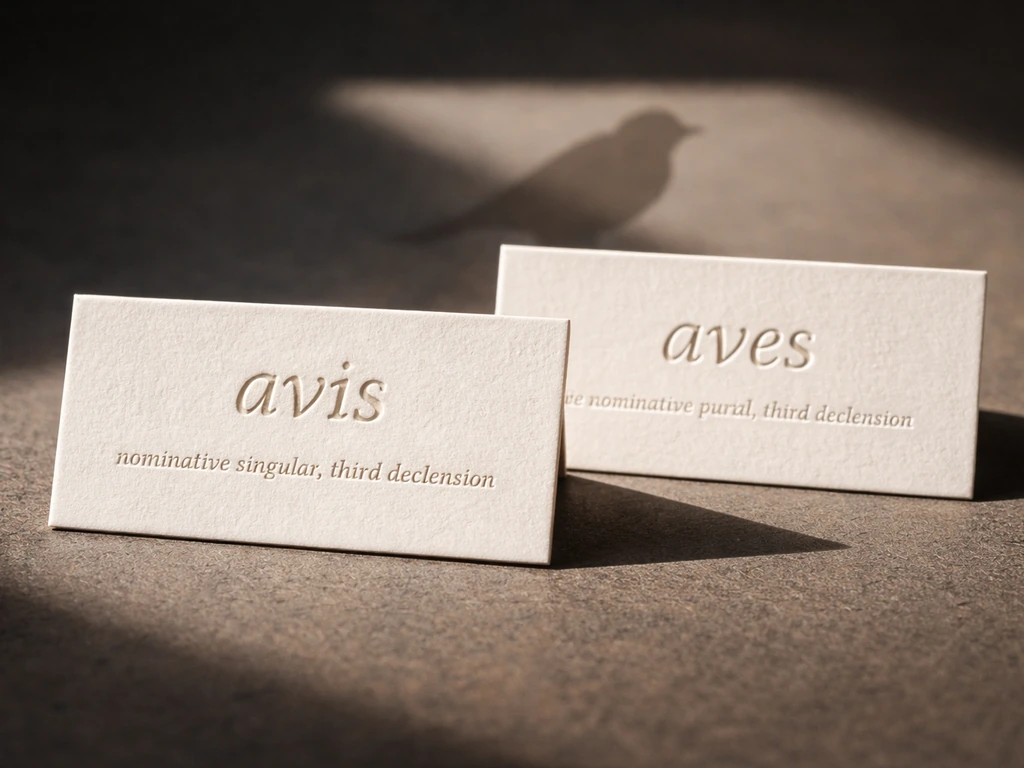
Avis is a classical Latin feminine noun belonging to the third declension. It means 'bird' in the broadest, most general sense, covering any feathered creature. The nominative singular is avis, and the nominative plural is aves. You will also encounter avium, which is the genitive plural, meaning 'of birds' (as in a group or class of birds). These three forms cover the vast majority of situations you will run into.
| Form | Latin | Meaning |
|---|---|---|
| Nominative singular | avis | bird |
| Nominative plural | aves | birds |
| Genitive plural | avium | of birds |
The word aves is not just a grammatical plural. It became the formal name for the entire taxonomic class of birds in biological Latin, which is why you see it in science textbooks and field guides right alongside the common English names. That continuity from ancient Latin into modern science is part of what makes avis such a satisfying word to know.
Choosing the right Latin word: bird vs fowl
Latin is not a one-size-fits-all language, and 'bird' in English can carry slightly different meanings depending on context. Classical Latin actually had more than one word for birds, and knowing which one fits your situation will save you from using the wrong term.
Avis: the general word for any bird
Use avis whenever you mean 'bird' in the everyday, general sense. A wild bird, a pet bird, birds as a category of living things, a bird in a poem, or a bird in a scientific classification all call for avis. This is your default, and it is almost always correct.
Gallina: when you mean domestic fowl or hen
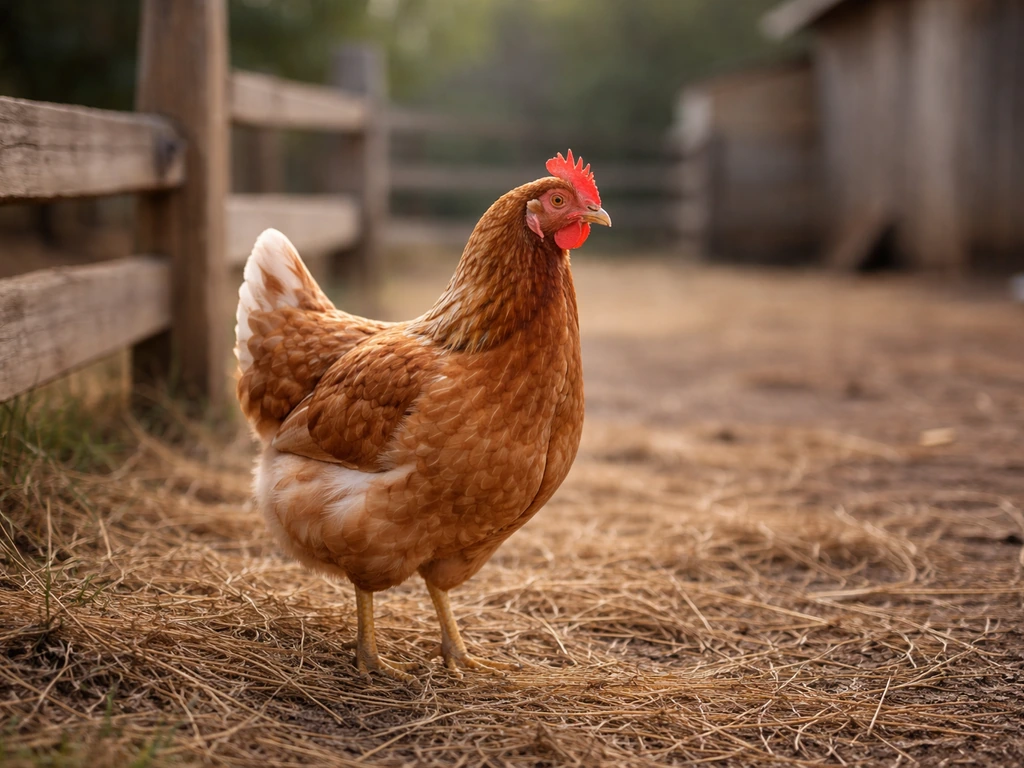
The Latin word gallina (plural gallinae) is more specific. It refers to a hen or domestic fowl, and it carried connotations of farmyard or kitchen-table birds rather than wild ones. If you are reading a classical text about farm animals or a historical zoological list that groups chickens and similar birds together, you will see gallina or gallinae. The taxonomic group name Gallinae in some older classification systems drew on exactly this word. So if someone asks you about poultry or domestic fowl in a Latin context, gallina is the better fit than avis.
Volucris: birds as flying creatures
A third option, volucris (plural volucres), appears in Latin poetry and prose when the emphasis is on flight rather than on the bird as an animal category. If you also meant sign language, the best way to find the correct gesture is to look up the bird sign in your local sign-language dictionary or ask a qualified signer how do you say bird in sign language. Volucris is a poetic and somewhat elevated word, closer in feel to 'winged creature' than to the practical 'bird.' You are unlikely to need it for taxonomy, pet names, or crossword puzzles, but knowing it exists prevents confusion when you come across it in a Latin text.
| Latin Word | Plural | Best Used For |
|---|---|---|
| avis | aves | Any bird, general use, taxonomy, pet names |
| gallina | gallinae | Hens, domestic fowl, poultry contexts |
| volucris | volucres | Poetic or literary references to flying creatures |
For practical purposes, avis is the right choice in almost every situation a modern reader encounters. Go with gallina only when the context is specifically domestic fowl, and save volucris for literary translation work.
How to pronounce avis and aves

Classical Latin pronunciation of avis is AH-wiss, with the stress on the first syllable. In IPA that is /ˈa.wɪs/. The first vowel is a clean open 'ah' sound, not the English 'ay' you might instinctively reach for. The 'v' in classical Latin is pronounced like an English 'w', which surprises a lot of people. The ending '-is' rhymes roughly with English 'miss.'
For the plural aves, say AH-ways (classical) or AY-veez in the Anglicized scientific pronunciation you will most often hear in ornithology lectures and nature documentaries. Both are acceptable depending on context. In a formal biological setting, scientists almost universally use the Anglicized AY-veez, so that version will serve you well in practice.
- avis (singular): AH-wiss (classical) / AY-vis (Anglicized)
- aves (plural): AH-ways (classical) / AY-veez (Anglicized scientific)
- avium (genitive plural): AH-wee-um (classical) / AY-vee-um (Anglicized)
- gallina: gah-LEE-nah
- gallinae: gah-LEE-nay
How Latin bird words show up in scientific names
This is where knowing your Latin really pays off. The International Code of Zoological Nomenclature (ICZN) requires that genus and species names follow Latin grammar rules, including correct grammatical gender and agreement between adjectives and nouns. The ICZN’s Article 30 explains that a genus-group name that is or ends in a Latin word takes the gender given for that word in standard Latin dictionaries, with gender determined by the final component in compounds correct grammatical gender. Because avis is feminine, any adjective modifying a genus name rooted in avis must also take a feminine ending. That is a practical rule worth knowing if you ever write or interpret a bird's scientific name.
The clearest example is the class name Aves itself, which formally groups all living birds in taxonomy. When you read 'Class Aves' in any ornithology resource, that is the direct plural of avis doing its job. The connection between the two-thousand-year-old word and the modern scientific label is unbroken.
Another word worth knowing is passer, passeris, which is Latin for sparrow. This gave us the term 'passerine,' the enormous order of perching birds. The genus Passer is used for true sparrows in scientific nomenclature. So when you see species like Passer domesticus (house sparrow), you are reading a Latin sentence that literally means 'domestic sparrow.' Understanding avis and its relatives helps you decode dozens of bird names like this.
The prefix 'avi-' also turns up constantly in ornithological vocabulary: avian, avifauna (the bird life of a region), aviculture (the keeping and breeding of birds), and aviary all trace directly back to avis. Recognizing the root makes scientific and technical bird language much more transparent.
- Aves: the formal taxonomic class name for all birds, directly from the Latin plural of avis
- Avian: adjective meaning 'relating to birds,' built on the avis stem
- Avifauna: the collective bird species of a given region or era
- Aviculture: the practice of keeping and breeding birds
- Passerine: relating to the order Passeriformes, from passer (Latin: sparrow)
- Gallinae: older taxonomic grouping for domestic fowl, from gallina
Sentences and naming ideas you can use right now
Whether you want to write a Latin phrase, name a pet, or solve a word puzzle, here are ready-to-use examples built around the words covered above.
Simple Latin sentences
- Avis cantat. (The bird sings.)
- Aves in arbore sedent. (The birds sit in the tree.)
- Multae aves in caelo volant. (Many birds fly in the sky.)
- Vox avium clara est. (The voice of the birds is clear.) — uses the genitive plural avium
Pet name ideas rooted in Latin
Latin makes for striking, distinctive pet names, especially for parrots, canaries, finches, or any pet bird where you want something with a bit of history behind it. Here are some options worth considering.
- Avis: clean, simple, and directly means 'bird' — works beautifully as a name on its own
- Aves: slightly grander-sounding plural form, good for a majestic bird like a macaw
- Avian: the English adjective form, which many owners find more approachable as a name
- Volucris: poetic and unusual, great for a bird you want to give a literary feel
- Passer: Latin for sparrow, suits a small, lively bird with personality to spare
Crossword and word puzzle uses
If a crossword clue reads 'Latin for bird' with four letters, the answer is AVIS. A five-letter answer for 'birds, in Latin' or 'bird class in taxonomy' is AVES. Avium (six letters) can appear in clues asking for the Latin genitive plural meaning 'of birds.' These are the three forms most likely to appear in English-language puzzles referencing Latin bird vocabulary.
Latin vs other languages: a quick note
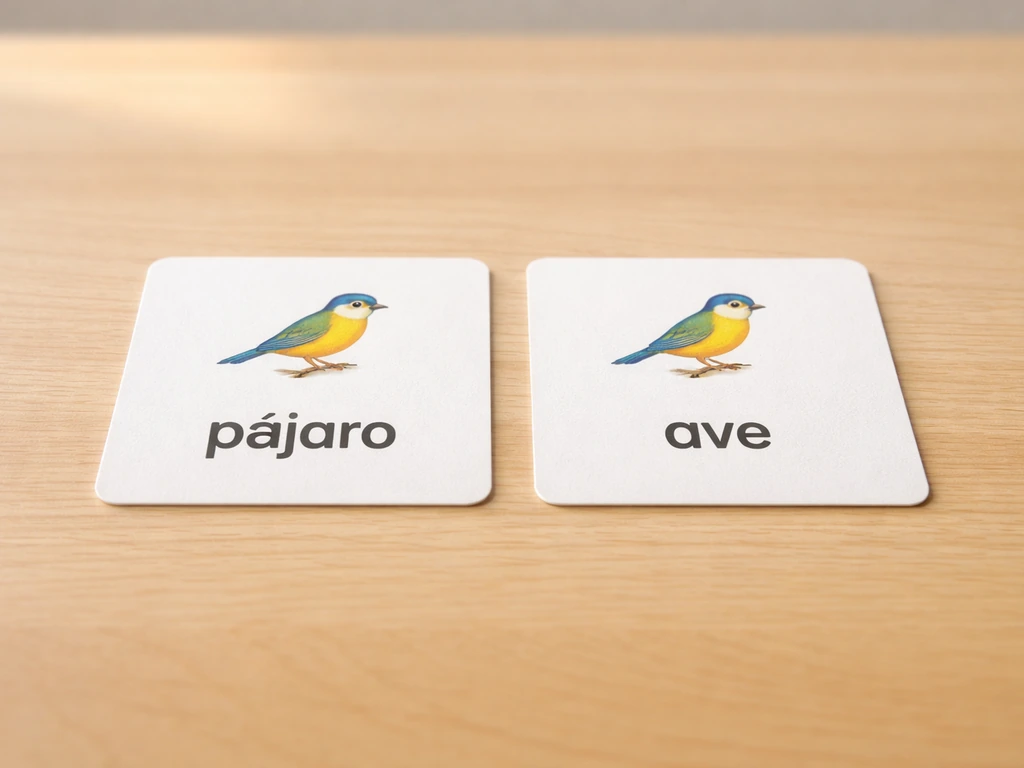
Latin is the direct ancestor of the Romance languages, and its influence on bird vocabulary ripples forward into modern tongues. The Spanish word for bird, pájaro (or ave in a more formal register), shares that 'ave' root. If you mean the little bird specifically, Spanish usually uses diminutives like “pajarito” pájaro. If you also want the Mandarin translation, look up how to say bird in Chinese. French oiseau comes from a different path, but French also uses the learned form oiseau d'eau and retains 'avi-' in words like aviateur. If you’re specifically asking how to say “bird” in French, the most common word is oiseau how to say bird in french. If you mean the little bird specifically, French often uses diminutives or terms of endearment around oiseau how do you say little bird in french. Italian uccello and German Vogel took different routes, but the scientific language all of them use for formal bird taxonomy stays rooted in Latin avis and aves. If you’re wondering how to say bird in German, the common everyday word is Vogel. In Italian, you can say “uccello” to mean “bird.”.That shared scientific vocabulary is one reason Latin remains the international standard for naming living things.
FAQ
How do you say “a bird” or “the bird” in Latin using avis?
Latin requires an article system, so you cannot directly add English-style “a” or “the” to avis. For “a bird,” you typically use the noun by itself (avis) or an adjective construction depending on context. For “the bird,” you normally use a demonstrative like ille avis (“that bird” or “the bird,” depending on the situation).
If aves means “birds,” when should I use avium instead?
Use avium when you need “of birds,” especially for relationships like “the study of birds” (often “studium avium”) or “group/class of birds.” Aves alone is nominative plural, best for “birds” as the subject, “birds are …,” or “birds” as a straightforward plural label.
What Latin case do I use if I want to say “to/for a bird”?
“To/for” calls for a different case. The dative singular of avis is usually formed as av i, commonly written avis with dative context and in practice you handle it by choosing the correct third-declension ending pattern for the exact word form you are using. If you tell me the full English sentence, I can map it to the right Latin case and ending.
Is avis always the best choice, even when a text says “winged creature”?
Not always. If the author is emphasizing flight or poetic imagery, volucris is the more likely match because it carries an elevated “winged creature” feel. If the focus is the creature as a biological or everyday “bird,” avis is usually safer.
How do you write “bird” as a genus or species name when it starts with avis?
In scientific names, you cannot freely mix English word order. You must follow Latin grammar conventions, including gender agreement and the correct grammatical form for the species epithet. The article’s point about feminine agreement applies here: if the genus is treated as feminine, modifying adjectives must use feminine endings.
Can I use “avian” or “avi-” words to mean “bird” in general conversation?
Avi- roots in words like avian, aviary, and avifauna are clearly tied to birds, but they are not the same as saying the noun “bird” itself. If you need the exact word for “bird,” use avis. Use avian- words when you mean “bird-related” or “pertaining to birds.”
What is the difference between avis and gallina in taxonomy contexts?
Avis is the general “bird” term. Gallinae, and gallina as the noun, skew toward domestic fowl or hen-type meanings and can appear when an older grouping or historical list focuses on poultry-type animals. If the context is literally “birds” as a broad category, choose avis or aves, not gallina.
I saw the phrase “Class Aves.” Is that just a translation of “birds”?
It functions like “Birds (as a class)” in taxonomy. Grammaticaly, it is the plural form of avis used as a formal taxonomic label, so it is more than a casual plural. If you are translating, you can render it as “class of birds” or “Birds (class),” depending on your style.
How should I pronounce aves if I want to sound like a scientist?
In many modern biology contexts, people use the Anglicized AY-veez pronunciation. The classical option AH-ways is also valid for a Latin-focused reading, but AY-veez is usually what you will hear in ornithology lectures and field media.
What should I do if my clue asks for “of birds” and gives me a specific letter count?
Match it to the genitive plural. Avium is the usual form for “of birds” (the genitive plural of avis). If the clue instead wants a plural subject form like “birds,” then aves is the target, while AVIS is singular.
Is volucris interchangeable with avis in everyday Latin?
Practically, it is not. Volucris is comparatively rarer and has a more poetic, elevated “winged creature” tone, so it is easy to sound off if you are trying to use a straightforward everyday noun. For a normal “bird” in most contexts, default to avis.
Next Article
How to Say Bird in Spanish: Bird, the Bird, Slang
Learn the Spanish word for bird, how to say a bird and the bird, plus spelling and pronunciation and common slang.