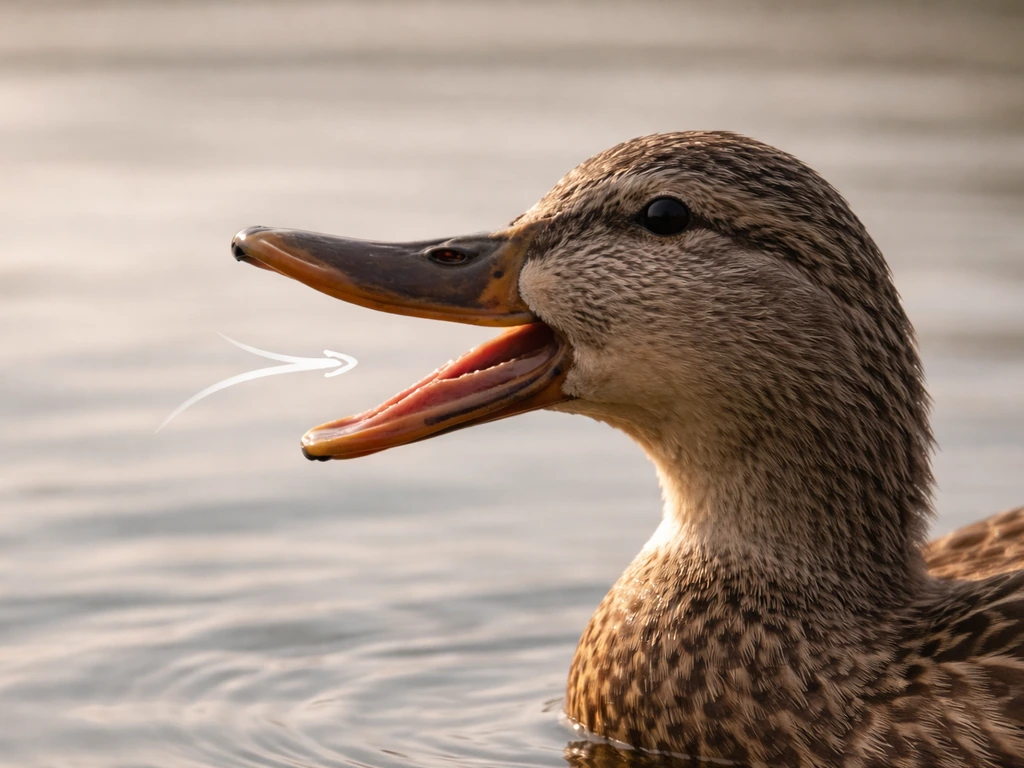
If you are searching for what a 'vak bird' is called in English, the most likely answer is a duck, because 'vak' is the Turkish onomatopoeic word for the sound a duck makes, the same way English speakers say 'quack. The akala bird is commonly written in English as a different name, so check local spelling or regional language context to confirm the exact species what a 'vak bird' is called in English. ' So when someone calls it a 'vak bird,' they almost certainly mean a duck, specifically the kind that goes 'vak vak' in Turkish, which is 'quack quack' in English.
What Is a Vak Bird Called in English? Find the Match

James Ridgley
4 Jun 2026
What 'vak' actually means and how to identify your bird
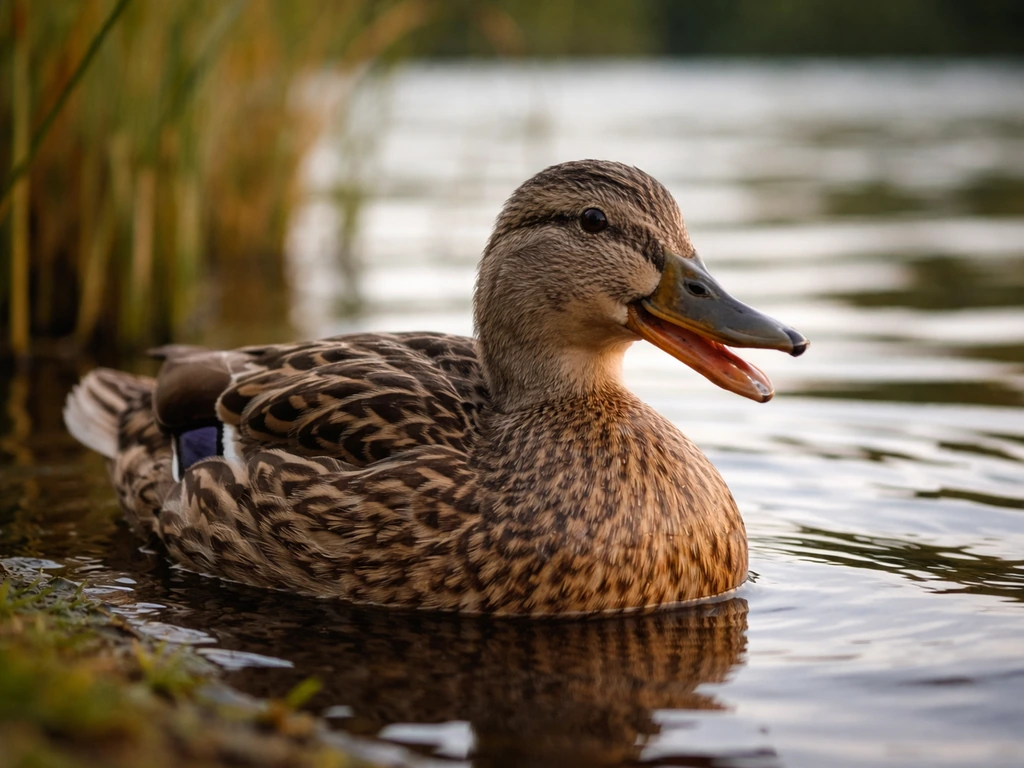
'Vak' is not a species name. blank" rel="noopener noreferrer">In Turkish, it is an onomatopoeic sound word, the written version of the noise a duck makes. Turkish speakers say 'vak' the way English speakers say 'quack,' and 'vak vak' works exactly like 'quack quack.' It appears in Turkish dictionaries and learner resources as the direct equivalent of the English word 'quack.' So if you heard someone in Turkey, or read a Turkish text, calling a bird a 'vak bird' or a 'vak vak bird,' they were describing a duck by the sound it makes, not by a proper species name.
The key thing to establish first is which language or region the word 'vak' came from when you encountered it. It most commonly comes from Turkish, but onomatopoeic duck sounds across languages can look similar. Once you know the language of origin, identifying the bird becomes straightforward. In virtually every case where 'vak' is used for a bird, the bird in question belongs to the duck family (Anatidae).
The most likely English equivalents and how they differ
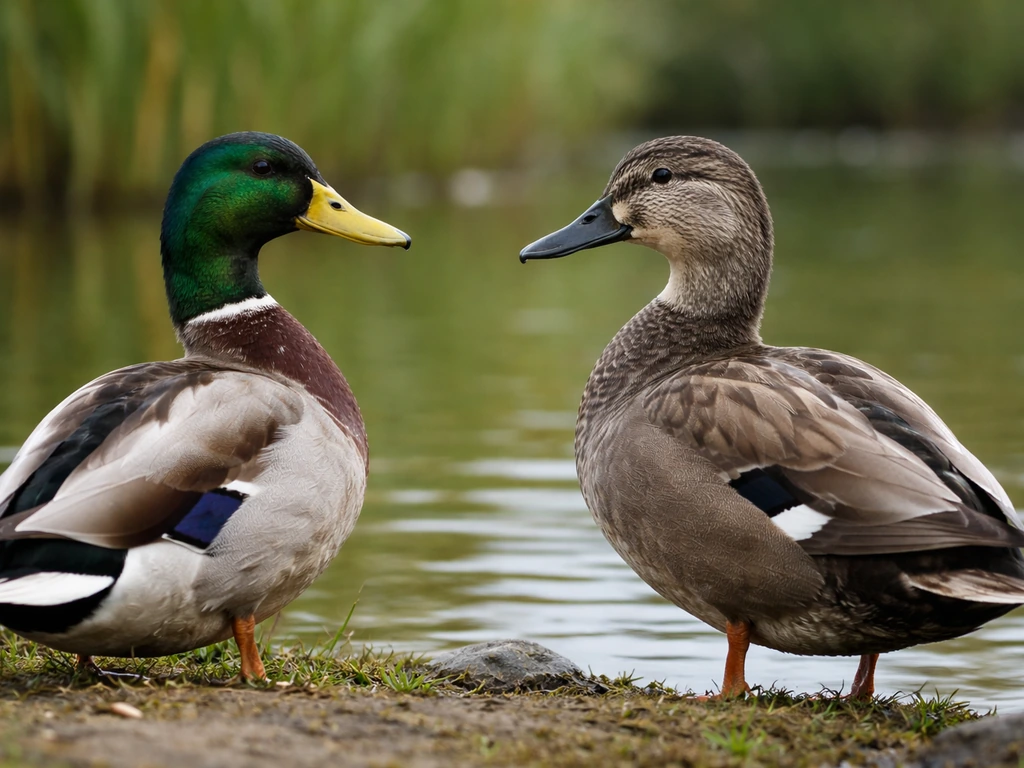
The broad English equivalent is simply 'duck,' but that is a large family with many species. Depending on where the bird was seen and what it looked like, 'vak bird' could refer to several specific English-named species. Here are the most common candidates:
- Mallard (Anas platyrhynchos): The most recognizable dabbling duck in the world, found widely across Europe, Asia, and North America. The male has a distinctive green head. This is the bird most people picture when they think of a quacking duck, and it is the most likely match if you saw a medium-sized duck in or near Turkey.
- Teal (various Anas species): Smaller dabbling ducks, also common in Turkey and surrounding regions. Several teal species make quacking or soft calling sounds.
- Common Pochard or other diving ducks: Found in Turkey and Central Asia, though these are less commonly called 'vak birds' since their calls differ from the classic quack.
- Domestic duck: In everyday Turkish usage, 'vak vak' is often used by children and in casual speech to refer to any domestic duck, so the bird in question may simply be a farmyard or pet duck rather than a wild species.
If someone is looking up 'vak bird' after hearing a Turkish child or family member use the word, the answer is almost always a mallard or a generic domestic duck. If the context is wildlife or birdwatching, a mallard or teal is the most probable species.
How to confirm the exact species
To move from 'it's probably a duck' to a confirmed species, you need a few extra details. Here is what to check:
- Location and habitat: Where was the bird seen? A lake, river, coastal wetland, or farmyard? Mallards are found almost everywhere near fresh water in Turkey and Europe. Teals prefer shallower wetlands. Pochards favor deeper lakes.
- Size and appearance: Was the duck large or small? Did the male have a green or iridescent head (mallard), or was it a smaller brownish bird (teal)? A photo is the fastest way to confirm.
- The call itself: Classic 'vak vak' or 'quack quack' sounds almost always point to the mallard, since female mallards produce the iconic loud quack. Many other duck species make whistles, grunts, or softer sounds.
- Time of year: Some species are seasonal visitors to Turkey, while mallards and domestic ducks are present year-round.
- Wild vs. domestic: If the bird was in a yard, park, or farm, it is likely a domestic duck descended from the mallard, which is the ancestor of almost all domestic duck breeds.
If you have a photo, uploading it to a free app like Merlin Bird ID (by Cornell Lab) or iNaturalist will give you a confirmed species name in seconds. Both apps work well for Turkish and European duck species.
English spelling variants and how to pronounce the names
Once you have identified the bird as a duck or a specific species, here is how the key English names are spelled and pronounced:
| English Name | Spelling Notes | Pronunciation (phonetic) | IPA |
|---|---|---|---|
| Duck | Single correct spelling; no variants | DUK | /dʌk/ |
| Quack | The sound word; 'quack' not 'kwack' or 'kvak' | KWAK | /kwæk/ |
| Mallard | Not 'mallerd' or 'malard'; double-L | MAL-erd | /ˈmæl.ərd/ |
| Teal | Not 'teel' or 'teil'; rhymes with 'feel' | TEEL | /tiːl/ |
| Anatidae | The duck family; used in formal/scientific contexts | ah-NAT-ih-dee | /əˈnætɪdiː/ |
The word 'quack' is important here because it is the direct functional translation of 'vak' in English. If someone asks 'what does vak mean in English?' the one-word answer is 'quack.' The animal that says quack is a duck, and the specific wild species most commonly associated with that sound is the mallard.
Where 'vak' comes from and why it maps to English names this way
The word 'vak' in Turkish is a classic piece of onomatopoeia, a word that phonetically imitates a sound. Different languages represent the same duck sound in slightly different ways based on their own phonetic systems. English uses the 'qu' spelling (quack), Turkish uses 'v' (vak), French uses 'coin coin,' Japanese uses 'ga ga,' and German uses 'quak.' None of these are wrong; they are simply each language's attempt to write down the same noise using its own alphabet and sound rules.
This is why 'vak bird' does not map to a single species name in English the way that, say, a 'bater bird' or a 'bagla bird' translates to a specific species. In Turkish contexts, a similar sounding term like “bagla bird” can also refer to a duck, so it helps to confirm the exact phrase and context. If you are also wondering about the “bater bird” term, it is usually a regional nickname rather than a single official species name in English. Those are regional or vernacular species names. 'Vak' is a sound word, not a species label. When you hear 'vak bird,' the person is saying 'the bird that goes vak,' which is their way of pointing at a duck, not naming a specific species in a formal sense. In English, you might also hear different terms for bird feet depending on the bird, so knowing the exact wording helps bird feet called in English.
This same pattern appears in many bird-naming queries across languages. Turkish onomatopoeia for bird sounds is rich and very literal, so understanding the language origin of a bird 'name' often unlocks the identification immediately. The Turkish word for duck as a species (rather than its sound) is 'ördek,' so if you see 'vak bird' in Turkish context, the proper species-level word to look up in English is still 'duck' or the specific species name once you have identified it.
Common mistakes and similar-sounding names to watch out for
A few mix-ups come up regularly when people search for 'vak bird' in English:
- Confusing 'vak' with a species name: Some readers assume 'vak' is a vernacular species name like 'baya' (weaverbird) or 'cheel' (kite). It is not. It is a sound word, so searching for a species called 'vak' in ornithological databases will return nothing useful.
- Mixing up 'vak' with 'vakıf' or other Turkish words: Unrelated Turkish words that start with 'vak' have nothing to do with birds.
- Assuming it means a crow or raven: Some onomatopoeic bird words in other languages (like 'kra kra' for crows) can look superficially similar to 'vak.' Crows say 'kaw' or 'caw' in English, not 'quack,' so if the bird you saw was black and corvid-like, re-examine the original word carefully.
- Spelling the English duck sound as 'kwak,' 'quak,' or 'kvak': The correct English spelling is always 'quack,' with the 'qu' combination. Using the wrong spelling in a search or crossword answer will cause confusion.
- Treating all ducks as mallards: Mallard is the most common quacking duck, but if you are in a specific region or wetland, the bird could be a different Anas species. Do not stop at 'it's a duck'; use the confirmation steps above to get the species right.
Your quickest path to the exact English name
If you are reading this right now with a specific bird in mind, here is exactly what to do to get a confirmed answer today:
- Write down the language the word 'vak' came from (Turkish is most likely, but note if it was another language).
- Note the country or region where the bird was seen, or where the person who used the word 'vak' is from.
- If you have a photo, use Merlin Bird ID or iNaturalist to get an instant species match.
- If you have no photo, describe the size, color, and habitat to a birding forum or app.
- Once you have a species name, look it up on the Cornell Lab's Birds of the World site or the IUCN Red List to get the confirmed English common name, scientific name, and regional variants.
- For a crossword or word puzzle, the answer to 'vak in English' or 'vak vak in English' is 'quack' or 'quack quack.' The bird itself is a 'duck.'
In summary: 'vak bird' means 'the quacking bird' in Turkish, and the English name is duck, most specifically the mallard in wild contexts. The direct English translation of 'vak' as a sound word is 'quack.' Knowing that 'vak' is onomatopoeia rather than a species label is the key insight that makes everything else click into place.
FAQ
Is “vak bird” always a duck, even if the bird doesn’t look like one?
Most uses in Turkish contexts point to a duck because “vak” imitates a duck’s quack. If the bird in your photo has a different body shape or bill, don’t assume, use a local ID app or compare size and bill shape to common duck candidates (mallard, teal, domestic duck).
What does “vak” mean in Turkish, and is it a real word or just a noise?
“Vak” is an onomatopoeic sound word in Turkish. It is used like “quack” in English, so it describes the sound being made rather than naming a specific species.
If I search “vak bird” and get different results (mallard vs teal), how can I tell which is correct?
Look for context clues like location (park pond vs wetlands), season, and plumage. A quick confirmation step is to open Merlin Bird ID or iNaturalist with a photo, then cross-check that the suggested species matches the habitat you saw it in.
Could “vak bird” refer to a specific duck species by name in English?
Usually not. In English, “duck” is the right functional match, while the exact species (for example, mallard) depends on what it actually looks like and where it was seen.
Does “vak bird” work as an identification phrase outside Turkey or Turkish-speaking communities?
It can confuse things, because similar-looking sound-words exist across languages. If you heard “vak bird” while traveling, try to find out what language the speaker meant, or switch to a photo-based ID to avoid translation errors.
What should I check if I don’t have a photo, only a description?
Collect details like size relative to a person, wing pattern, head color, bill shape, and whether it was floating or dabbling at the surface. Then narrow to ducks by behavior, not just the sound, because multiple waterbirds can produce duck-like calls in some conditions.
Is “mallard” the only duck people mean when they say “vak”?
No. Mallard is a common default guess in wild contexts, but “vak” is still about the sound. Teal or domestic ducks can also be implied depending on where the speaker is and what type of duck they are around.
How do I handle spelling variations, like “vack,” “vakk,” or “vak vak bird”?
Treat spelling variants as the same sound-word. The key translation remains “quack,” so the identification approach should focus on duck candidates and the actual bird traits, not the exact spelling.
What is the Turkish word for duck itself, if I want the species name rather than the sound?
The general Turkish word for duck as an animal is “ördek.” If someone uses “ördek” instead of “vak,” they are usually talking about the species rather than just the quacking sound.
If someone says “vak vak,” is that different from “vak bird”?
“Vak vak” is just the repeated onomatopoeia for the quack pattern, similar to “quack quack.” It supports the duck interpretation, but it still does not guarantee a single English species.
Next Article
What Are Bird Feet Called in English? Terms Explained
Learn what bird feet are called in English, with terms like talons, claws, toes, tarsi, legs, plus pronunciation tips.