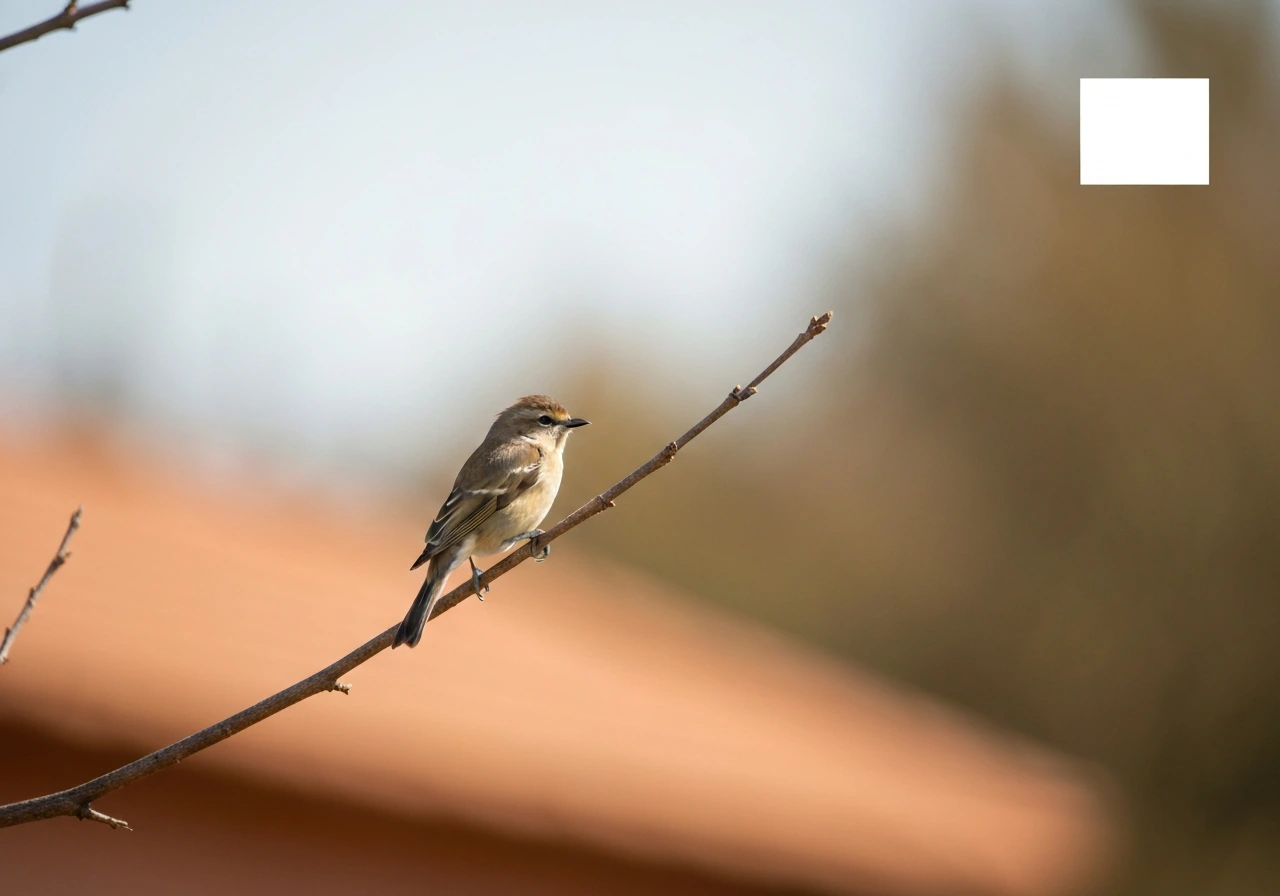
The most natural way to say 'little bird' in French is 'petit oiseau' (pronounced roughly 'puh-tee wah-ZOH'). That two-word phrase covers almost every situation, from describing a small bird in the garden to calling a child by a sweet nickname. If you want something more affectionate, adding a possessive turns it into 'mon petit oiseau' ('my little bird'), which is the go-to term of endearment in French children's books and everyday pet speech.
How Do You Say Little Bird in French? Natural Options

James Ridgley
11 May 2026
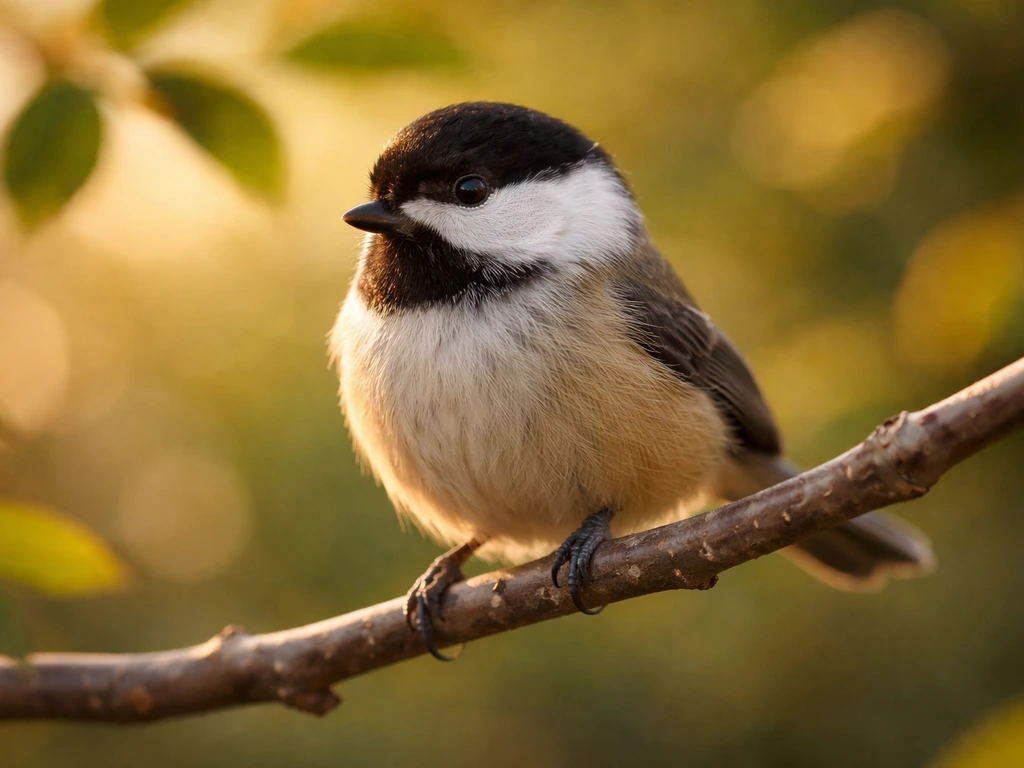
The most common French equivalents for 'little bird'
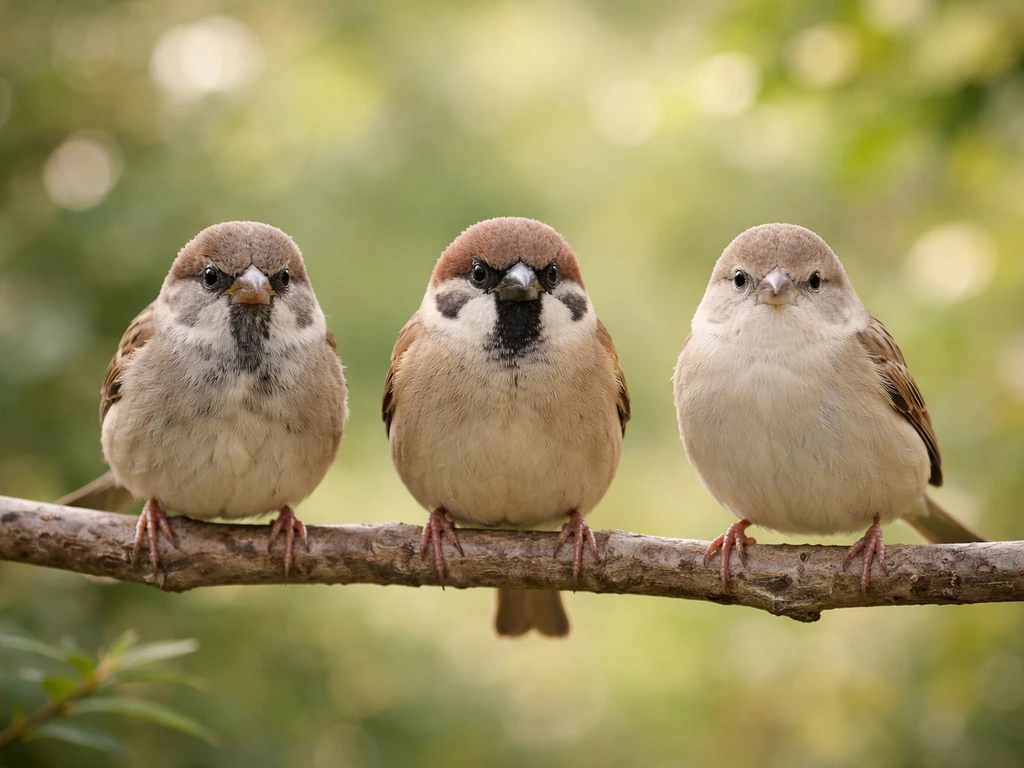
French gives you a few real options depending on how you want to sound, and each one lands a bit differently. Here are the main ones worth knowing:
| French phrase | Literal meaning | Register / tone |
|---|---|---|
| petit oiseau | small bird / little bird | Neutral, everyday — works in any context |
| mon petit oiseau | my little bird | Affectionate, personal — term of endearment |
| oisillon | young / baby bird (diminutive noun) | Literal — refers to a nestling or fledgling |
| oiselet | little bird (diminutive noun) | Literary / archaic — rarely used in spoken French |
| piou-piou | tweet-tweet / cheep-cheep (onomatopoeia) | Playful, child-directed — nursery / baby speech |
'Petit oiseau' is your default. In American Sign Language, there are also common ways to sign the concept of a bird, and the exact sign can vary by region and context. It appears everywhere from field guides to nursery rhymes, and any French speaker will understand it immediately. The other options are more specialized, and knowing when each fits is what separates a passable translation from a natural-sounding one.
Gender, spelling, and pronunciation
In French, 'oiseau' is masculine, so the adjective takes the masculine form: 'petit' (not 'petite'). The full phrase is 'un petit oiseau' (a little bird) or 'le petit oiseau' (the little bird). Spelling is straightforward, watch out for the silent letters in 'oiseau': o-i-s-e-a-u. The 'ois-' part sounds like 'wah,' not 'oh-is.' The plural is 'les petits oiseaux' (lay puh-tee wah-ZOH), where the 's' on both 'petits' and 'oiseaux' stays silent.
For pronunciation, break 'petit oiseau' into two beats: 'puh-TEE' and 'wah-ZOH.' Notice the liaison: because 'petit' ends in a 't' and 'oiseau' begins with a vowel sound, the 't' links across and you get 'puh-tee-wah-ZOH' as one smooth phrase. That liaison is a small but important detail, leaving it out sounds a bit clunky to a native ear.
Noun versus term of endearment: how to choose
When you're simply describing or naming a small bird, 'petit oiseau' works as a plain noun phrase. You can slot it into sentences just like any other noun: 'J'ai vu un petit oiseau dans le jardin' ('I saw a little bird in the garden'). No possessive, no fuss.
When you're using it as a nickname or term of endearment, speaking directly to a pet, a child, or a loved one, French speakers add a possessive and often address the person directly: 'Mon petit oiseau!' This pattern (possessive + 'petit' + noun) is the standard French formula for affectionate speech. You'll find 'mon petit oiseau' as a book title, a lullaby opener, and a line of dialogue in countless French stories aimed at children. It feels warm and soft, not over-the-top.
Referring to an actual bird species versus calling something 'little bird'
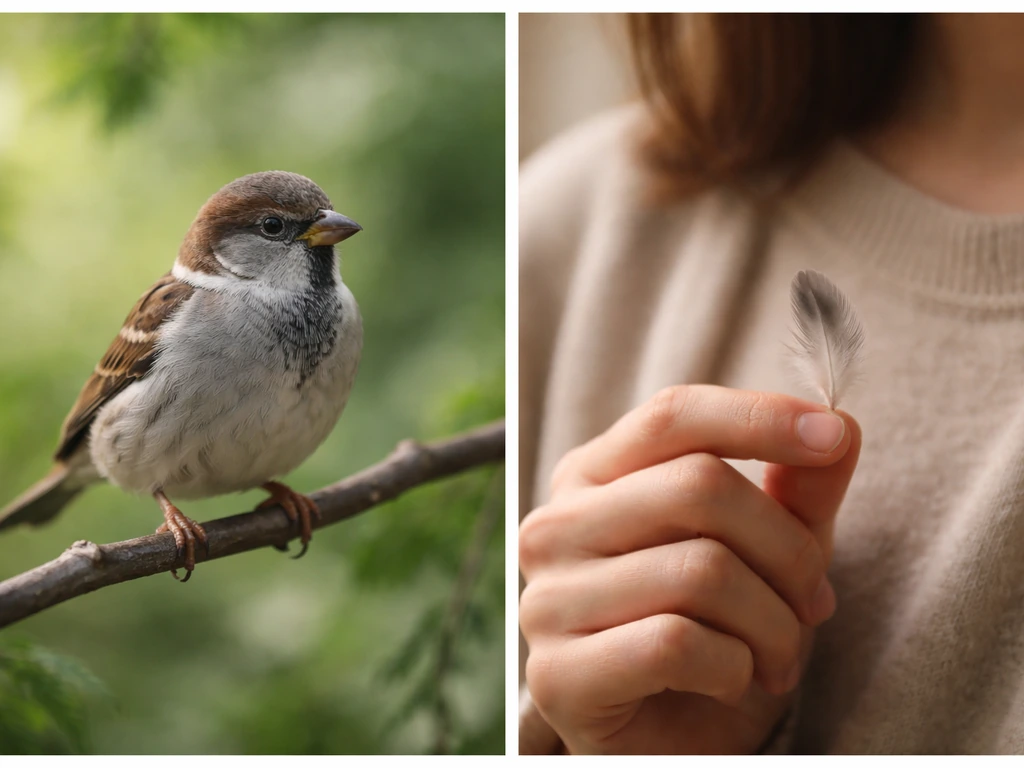
Context matters a lot here. If you're talking about a bird in the biological or ornithological sense, like a wren, a sparrow, or any small species, 'petit oiseau' is perfectly appropriate as a descriptive phrase. Ornithologists and birdwatchers in French-speaking countries use it freely as a common-language descriptor, even if the bird has its own specific name (like 'rouge-gorge' for robin or 'mésange' for tit).
'Oisillon' takes a more specific literal meaning: it refers to a young bird, typically a nestling or a fledgling that hasn't fully developed. So if you find a baby bird that has fallen from a nest, French speakers would naturally say 'J'ai trouvé un oisillon' rather than 'un petit oiseau.' The two are related but not interchangeable. Use 'petit oiseau' for any small bird regardless of age; use 'oisillon' specifically when the bird is young and still developing.
French also has a well-known idiomatic phrase built around 'petit oiseau': 'Un petit oiseau m'a dit' means 'a little bird told me,' functioning the same as the English idiom. And 'le petit oiseau va sortir' ('the little bird is going to come out') is the classic thing photographers say to children to get them to look at the camera, the French equivalent of 'say cheese.' These are fixed expressions where 'petit oiseau' isn't describing a real bird at all.
Alternatives and when to use them
Oiselet
'Oiselet' is a single-word diminutive meaning 'a little bird,' formed by adding the suffix '-elet' to the root of 'oiseau. Le CNRTL (TLFi/Académie) définit « oiselet » comme « jeune oiseau, petit oiseau » et le signale comme un emploi vx ou littér. (avec une prononciation donnée) [oiselet est « jeune oiseau, petit oiseau »](https://www. cnrtl.
fr/definition/oiselet). ' The Académie française defines it as 'un petit oiseau' but also flags it as 'guère en usage', not really in common use. Le Robert labels it as literary. That about sums it up: it's a real, correct word, but you'll mainly encounter it in poems, older texts, or when someone is deliberately reaching for an elevated or archaic register.
In everyday conversation or writing, 'petit oiseau' is always the better choice.
Oisillon
'Oisillon' uses the diminutive suffix '-illon' (same family as in 'papillon') and specifically means a baby or young bird. It's a standard, everyday word, not literary or archaic, and shows up in nature writing, wildlife rehab contexts, and casual conversation when the bird's youth is the point. If you're translating 'little bird' and the little part refers to size or affection rather than age, stick with 'petit oiseau.' If age and developmental stage are what you mean, 'oisillon' is exact.
Piou-piou
'Piou-piou' is entirely onomatopoeic, it mimics the cheeping sound of a small bird. You'd use it in nursery rhymes, baby songs, or playful child-directed speech. It functions the way English speakers might say 'tweet-tweet' rather than 'bird.' It's charming in the right context and completely out of place in any serious or adult conversation. VTech baby toys and French children's chants use it exactly this way.
Mon oiseau
'Mon oiseau' ('my bird') drops the 'petit' but keeps the possessive, making it slightly more poetic and less diminutive. French poetry uses it as an affectionate address, as does casual speech when the speaker wants something a touch more elegant than 'mon petit oiseau.' It's less common as a term of endearment for a person but sits naturally in poetic or lyrical writing about actual birds.
Quick pronunciation tips and example sentences

The single biggest pronunciation hurdle with 'petit oiseau' is the vowel cluster in 'oiseau.' Say 'wah' (like the start of 'water' in an American accent) and then add 'ZOH', 'wah-ZOH.' The 'eau' ending always sounds like 'oh' in French. For 'petit,' aim for 'puh-TEE' with a short, almost swallowed 'uh' at the start. Then connect the 't' of 'petit' to the 'oi' of 'oiseau' for the liaison: 'puh-tee-WAH-zoh.'
IPA for reference: /pəti wazo/ (petit oiseau) and /mɔ̃ pəti wazo/ (mon petit oiseau). The nasal vowel in 'mon' is the 'ɔ̃' sound, like the French 'on,' made through the nose, not 'mohn.'
Here are a few ready-to-use example sentences covering the main contexts:
- Literal, describing a bird: 'Il y a un petit oiseau sur la branche.' (There is a little bird on the branch.)
- Young bird specifically: 'J'ai trouvé un oisillon tombé du nid.' (I found a baby bird that had fallen from the nest.)
- Term of endearment, addressing someone: 'Viens, mon petit oiseau!' (Come here, my little bird!)
- Fixed idiom: 'Un petit oiseau m'a dit que tu avais un secret.' (A little bird told me you had a secret.)
- Photographer's phrase: 'Regarde l'appareil — le petit oiseau va sortir!' (Look at the camera — the little bird is going to come out!)
- Playful / child speech: 'Écoute le piou-piou!' (Listen to the tweet-tweet!)
If your goal is just to say 'little bird' clearly and naturally in French, 'petit oiseau' covers you in almost every situation. Add 'mon' at the front when you want warmth or affection, reach for 'oisillon' when you're talking about a young bird specifically, and leave 'oiselet' for the poetry shelf. That's really all you need.
If you're exploring bird names in other languages too, French compares interestingly to Spanish, Italian, German, and Latin, each of which handles the 'small bird' idea with its own diminutive traditions and vocabulary. If you also need the German equivalent, see how to say bird in german for the most common everyday phrasing.
If you specifically mean the bird word in Latin, you can look for the standard term for “bird” and then match it to the “small” idea as needed. If you want a Spanish equivalent for “little bird,” the phrase is typically something like “pajarito. ”. If you also want to say “bird” in Chinese, you can use the common Mandarin word for bird and learn how to pronounce it how to say bird in Chinese.
In Italian, the closest everyday match is “uccellino,” depending on the context. In Spanish, you can translate “little bird” as “pajarito” (or “pájaro pequeño” in a more literal way).
FAQ
Do I need an article when I say “petit oiseau” in French (like “a little bird” vs just “little bird”)?
Use “un petit oiseau” (or “le petit oiseau” if you mean a specific one you both know). In everyday speech, “petit oiseau” alone can sound incomplete because French typically wants an article when the noun is used as a general descriptor.
How do you say “little bird” when you want to specify the bird is male or female?
For a general “small bird,” “petit oiseau” is fine regardless of sex. If you need to specify gender for the bird species (for biology), you still start with “un petit oiseau,” then add a description like “mâle” (male) or “femelle” (female).
Is “petit oiseau” okay as a nickname by itself, or should it be “mon petit oiseau”?
If you are addressing someone kindly, “mon petit oiseau” works. “Petit oiseau” by itself is more like an object description (“a small bird”), it can feel less natural as a direct call unless it is clearly part of a phrase like “viens, petit oiseau.”
When should I use “oisillon” instead of “petit oiseau” (fallen-from-the-nest situation)?
Choose based on age: use “oisillon” for a baby bird (nestling or fledgling), and use “petit oiseau” for any small bird even if it is not a baby. A common mistake is using “oisillon” for a fully fledged bird, it can sound like you are calling it “a chick.”
Can “piou-piou” mean “baby bird,” or is it only for the sound?
“Oisillon” is typically the best fit for “baby bird,” even in casual contexts. “Piou-piou” is only the sound idea used for playful baby-talk, so it does not translate “baby bird” as a noun in serious or explanatory sentences.
What is the plural, and do I pronounce the “s” in “les petits oiseaux”?
Plural stays straightforward: “les petits oiseaux.” The “s” in “petits” and “oiseaux” is silent, so it does not change the sound much. If you are writing quickly, still keep both plural forms, since French pluralization is not optional here.
Does “petit” change form depending on whether it is “un” or “une” in French?
Because “oiseau” is masculine, “petit” stays “petit,” not “petite,” and you do not change the adjective for the word’s gender. The gender only changes when you refer to other linked nouns or pronouns (for example, “un petit oiseau” vs “elle est un petit oiseau” would be ungrammatical because of “elle”).
Is “ois(e)let” common in modern French, or should I avoid it?
If the context is literary or intentionally old-fashioned, “ois(e)let” can appear, but it is not the everyday option. For modern daily French, default to “petit oiseau,” especially in speech or translations meant to sound natural.
What are the most common pronunciation mistakes with “petit oiseau,” and how can I avoid them?
Pronounce “oiseau” with the French “eau” sound (ending like “oh”), and focus on the liaison across the word boundary: “puh-TEE-wah-ZOH.” Dropping the liaison can make it sound stiff or less fluent, especially in a nickname-style delivery.
Do “Un petit oiseau m’a dit” and similar phrases mean it literally, or are they idioms?
“Un petit oiseau m’a dit” is best treated as a fixed idiom meaning “a little bird told me,” not as a literal event. If you try to use it to mean you actually saw or heard a real bird, French speakers may find it oddly figurative.
Next Article
How Do You Say Little Bird in Spanish? Translations
Best Spanish equivalents for little bird, with pronunciation, examples, and tips for bird vs small bird and affectionate